Bar Mitzvah at Ezrat Yisrael: A Family Planning Guide

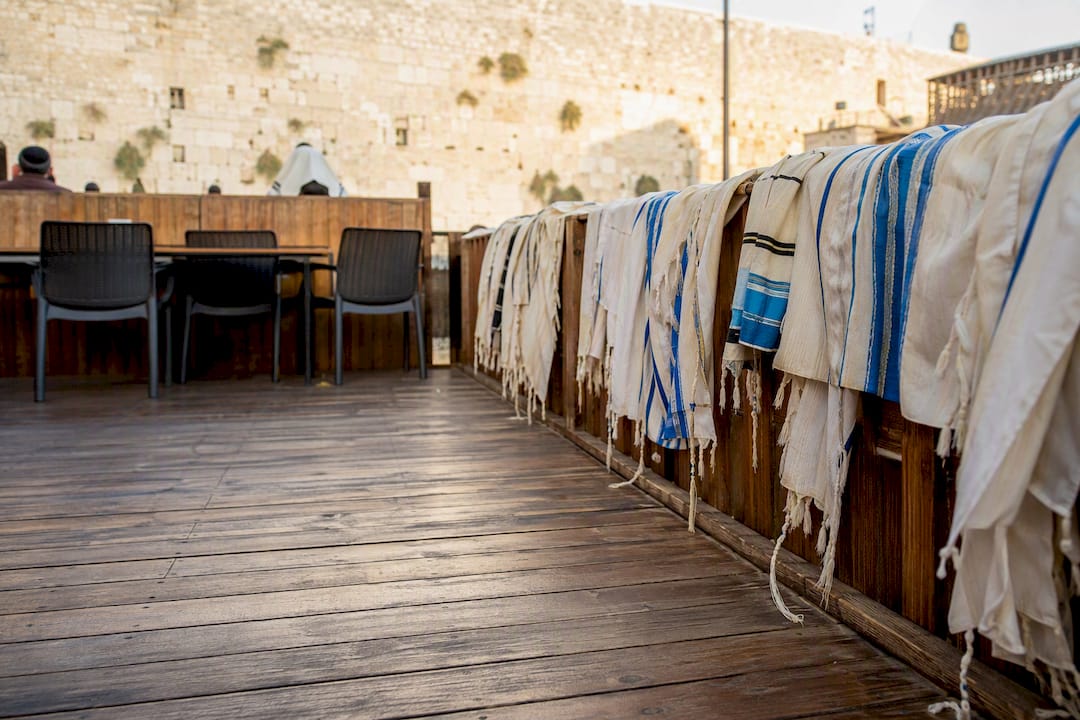
Yes, you can hold a full egalitarian Bar or Bat Mitzvah at Ezrat Yisrael, the family section of the Western Wall, with parents and siblings standing right beside the celebrant instead of split across a mechitzah. The first move is booking a morning slot and locking in a Torah scroll through the Masorti movement, the Reform movement, or a planner who handles both.
Ezrat Yisrael welcomes mixed-gender prayer and family participation with no partition.
Reserve early and request a Torah in advance; walking up on the day doesn’t guarantee one.
Families who want the booking, the scroll, the photographer, and the itinerary handled together often turn to a managed tour like Bnei Mitzvah’s family trips.
Quick fact: the platform is open to the public around the clock, but formal ceremonies run on reserved morning windows, and organizers recommend booking up to six months ahead during peak seasons.
Key Takeaways
Booking a Torah scroll and a morning slot early, and pairing the ceremony with a coordinated family itinerary, is what separates a smooth Ezrat Yisrael Bar Mitzvah from a stressful one.
Point | Details |
Reserve early | Book your slot and Torah scroll up to six months ahead, especially in summer and around holidays. |
Confirm, don’t assume | Get Torah, siddur, and accessibility arrangements in writing before you fly. |
Plan for the platform | Bring water and shade; the wooden deck has no fixed cover and limited seating. |
Give clear directions | The Ezrat Yisrael entrance sits apart from the main plaza near Mugrabi Gate. |
Consider managed planning | Bnei Mitzvah coordinates the booking, Torah, tutor, and photography as one family tour. |
Table of Contents
How does a managed family tour handle the ceremony logistics?
Where should families stay, and how do you get to the Western Wall?
Why integrating the ceremony matters more than families expect
Let Bnei Mitzvah handle the ceremony while you focus on family
Frequently asked questions about Bar Mitzvah at Ezrat Yisrael
What is Bar Mitzvah at Ezrat Yisrael, and where is it?
Ezrat Yisrael goes by a few names. You’ll hear it called the egalitarian plaza, and Masorti refers to it as Kotel HaMishpachot, which translates to the Family Wall. All three names point to the same wooden platform south of the main Western Wall plaza, near the Mugrabi Gate and adjacent to Robinson’s Arch.
The site exists specifically for mixed-gender prayer. There’s no divider separating men and women, so a father can stand next to his daughter during her Torah reading, or a mother can hold the scroll while her son chants his portion. As of 2026, the platform functions as an open-air egalitarian space built precisely to remove the gender separation required at the main Wall.
Families gravitate here for a few concrete reasons:
Full participation for every family member, regardless of gender.
Parents standing beside the celebrant instead of watching from behind a screen.
Flexibility for pluralist customs, including who can read Torah, lead prayers, or carry the scroll.
It’s a smaller, quieter setting than the main plaza, which many families actually prefer for something this personal.
How do you book a time slot for the ceremony?
Reservations run on set morning blocks, and getting a slot is more about timing your request than fighting for availability. Organizers who manage the platform typically work with windows like these:
7:30–9:00 AM
9:00–10:30 AM
10:30 AM–12:00 PM
12:00–1:30 PM
Torah readings follow standard Jewish practice, so Mondays, Thursdays, Rosh Chodesh, and select holidays are your default days if the ceremony includes a full Torah portion. Some organizers offer afternoon slots for non-Torah-reading days, but always confirm directly since availability shifts by season.
The Reform movement’s guidance is blunt on timing: book up to six months in advance during summer and major holidays, when demand from both local and visiting families spikes hard. Waiting until two or three months out often means settling for a less convenient slot, or scrambling for a Torah scroll at the last minute.
Pro Tip: Request your slot and your Torah scroll in the same message, not two separate ones. Organizers process these together, and splitting the request tends to slow down confirmation.
What should you plan for on-site at Ezrat Yisrael?
The platform is functional, not fancy, and knowing that in advance saves you from surprises on the day. It’s wooden decking with limited fixed seating and no permanent shade structure, which matters a lot if your ceremony lands on a July morning in Jerusalem.
Bring water, sun hats, and portable shade for guests who’ll be standing for 30 to 60 minutes.
Ramps provide access, but seating for guests with mobility needs is limited, so flag this when you book.
No food is allowed on the platform, and tossing candy, a common Bar Mitzvah tradition, isn’t permitted here either.
Confirm whether siddurim and kippot are provided or whether you need to bring your own.
Quick fact: Masorti supplies Torah scrolls and siddurim by prior arrangement, but that supply is never automatic. If you don’t ask ahead, don’t assume it’s there.
One more detail that trips up first-timers: the entrance to Ezrat Yisrael sits apart from the main Western Wall plaza entrance near the Mugrabi Gate. Give your guests specific walking directions, not just “the Western Wall,” or you’ll spend the first ten minutes of your reserved slot rounding up confused relatives.
How do you prepare the celebrant and the ceremony itself?
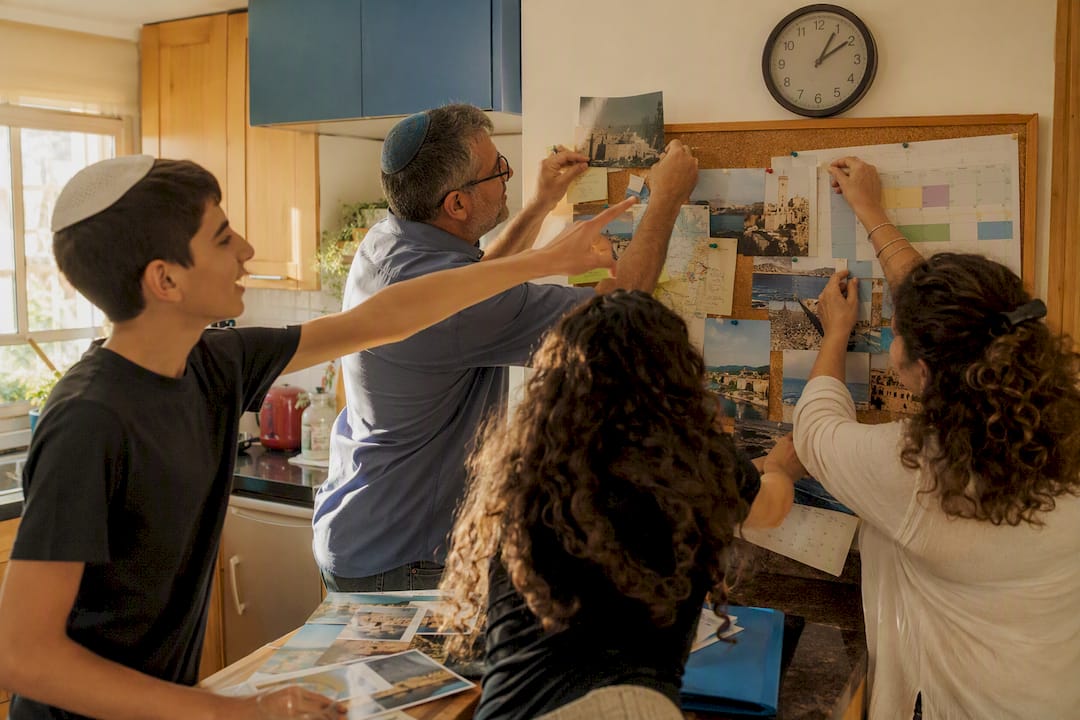
Preparation for an Ezrat Yisrael ceremony follows the same structure as any Bar or Bat Mitzvah, just performed in a different setting. Start early enough that the trop, the musical notation for chanting Torah, feels natural rather than memorized under pressure.
Begin trop and haftarah practice with a tutor at least three to four months out.
Draft the d’var Torah, the celebrant’s short speech on the portion, well before travel, so final edits happen at home rather than jet-lagged in Jerusalem.
Confirm the aliyah structure with your organizer, including who besides the celebrant will be called up, whether the celebrant leads Maftir, and whether family members will read additional aliyot.
Decide who else participates: leading opening prayers, holding the scroll, or offering blessings.
Pack or request tallit and kippot for anyone participating, and clarify tefillin expectations if your family observes that custom.
If the celebrant won’t chant the entire portion, most organizers accept a shared reading between celebrant and a tutor or family member, which keeps the ceremony moving without sacrificing meaning.
How does a managed family tour handle the ceremony logistics?
Coordinating a reservation, a Torah scroll, a tutor, a photographer, and forty jet-lagged relatives from three time zones is a lot to run solo. A managed tour absorbs that entire load. Planners typically handle:
Confirmed slot booking and Torah scroll procurement in one coordinated request.
Clergy or tutor liaison so trop practice continues even mid-trip.
Guest transport and clear, written arrival directions to the Ezrat Yisrael entrance.
A dedicated photographer and videographer positioned for the ceremony and family portraits.
A typical run looks like early arrival for check-in and a short rehearsal, the reserved ceremony block itself, then a private 20 to 30 minute photo window staged nearby so you’re not competing with the next family’s slot, followed by a guided activity that carries the morning’s energy into the rest of the day.
Pro Tip: Ask your planner to build in buffer time between the ceremony and your next stop. Ceremonies run over more often than they run early, and a tight itinerary turns a meaningful morning into a rushed one.
What do you need before you contact a booking organizer?
Have this ready before you reach out to Masorti, Reform, or a planner: your preferred dates and backup dates, guest count, whether you need a Torah scroll, any accessibility needs, and your photography plans.
Confirm your slot in writing, including the exact time window.
Confirm Torah and siddur availability, not just prayer space.
Get written arrival instructions for guests, specifically the Ezrat Yisrael entrance near Mugrabi Gate.
Arrive early, bring kippot, tallit, and water, and designate one family member as the point of contact for latecomers.
Where should families stay, and how do you get to the Western Wall?
Jerusalem’s Old City and the neighborhoods just outside it, like Mamilla, the German Colony, and Talbiya, put you within a short drive or a manageable walk of the Western Wall. Families flying in from the U.S. typically land at Ben Gurion Airport and cover the roughly 45-minute drive to Jerusalem by private transfer, especially useful when traveling with elderly grandparents or younger siblings who don’t need an extra layer of logistics on ceremony morning.
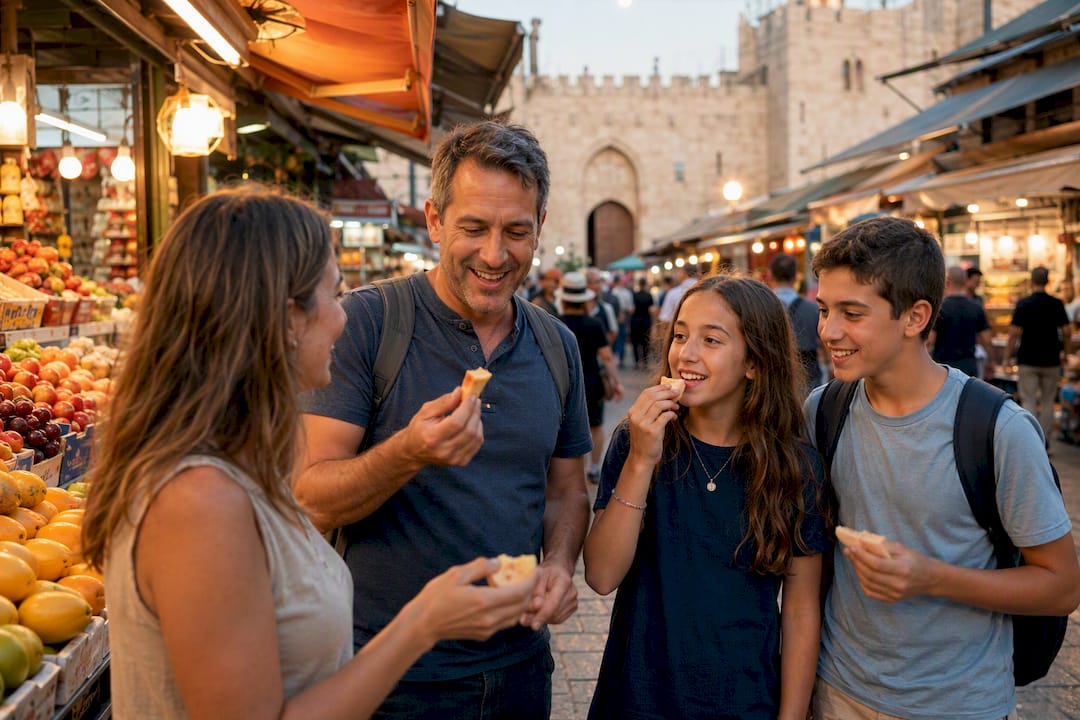
Staying inside or near the Old City means your group can walk to Ezrat Yisrael rather than fight parking near the Western Wall plaza, which fills up fast on Mondays and Thursdays when Torah readings are common. Hotels in Mamilla put you five to ten minutes from the entrance by foot, which matters more than it sounds. A short walk means less stress, fewer stragglers, and a family that arrives calm instead of scrambling.
If your extended family is arriving from multiple flights or cities, coordinated ground transportation solves a problem that trips up more families than the ceremony itself: getting fifteen or twenty relatives to the same place at the same time, dressed and ready, without three separate group chats arguing about taxi logistics. Planners who coordinate travel logistics for Bar Mitzvah trips typically build this into the itinerary from day one, syncing hotel checkout times, transfer windows, and the ceremony slot so nobody’s rushing.
How should you fit the ceremony into a bigger Israel trip?
Treat the ceremony as the emotional center of the trip, not a task to check off before the “real” sightseeing starts. Professional planners consistently recommend building the ceremony into a multi-day itinerary rather than treating it as a standalone errand squeezed between flights, and families who do this report a calmer, more connected experience.
A strong structure looks like two or three days of acclimating in Jerusalem before the ceremony, visiting sites like the City of David or the Israel Museum so jet lag settles and the celebrant isn’t chanting Torah on zero sleep. Schedule the ceremony itself mid-trip, not on arrival day and not on your last morning when everyone’s packing.
After the ceremony, resist the urge to sprint to the next attraction. Build in private family time, whether that’s a quiet lunch, a walk through the Jewish Quarter, or simply sitting together processing what just happened. Some families extend the day with a guided tour through the City of David tunnels, which connects the morning’s ritual to the same ground where it’s rooted historically.
For families building a full itinerary around the milestone, a detailed Israel trip plan that sequences the ceremony against the rest of your sightseeing keeps the week from feeling like two unrelated trips stitched together.
Why integrating the ceremony matters more than families expect
Twenty years of planning family trips to Israel has taught us one thing: the ceremony itself rarely goes wrong. What derails families is everything around it, vague directions, an unconfirmed Torah, a photographer booked separately from the tour. Bnei Mitzvah runs Ezrat Yisrael ceremonies as part of full family tours precisely because the two work better together than apart.
Let Bnei Mitzvah handle the ceremony while you focus on family
Bnei Mitzvah exists for families who’d rather spend the months before this trip preparing their child, not chasing Torah confirmations and arrival instructions between work calls. We coordinate the booking liaison, arrange the Torah scroll and siddurim, connect with your tutor for portion prep, and bring a photographer and videographer who know exactly where to stand on that platform.
Every package folds transfers, guest logistics, and the ceremony itself into one itinerary, so your family arrives at Ezrat Yisrael already rehearsed and confident instead of anxious about whether the scroll showed up. If you’re ready to see what a fully planned ceremony and tour looks like, browse our Bar Mitzvah tour packages and request a quote for your dates.
Frequently asked questions about Bar Mitzvah at Ezrat Yisrael
Do you need to be part of the Masorti or Reform movement to book Ezrat Yisrael? No. Both movements manage reservations and provide ritual items, but families of any affiliation can request a slot and a Torah scroll through them or through a planner.
Can girls have a full Torah-reading Bat Mitzvah at Ezrat Yisrael? Yes. The platform’s entire purpose is enabling mixed-gender, egalitarian ritual, so daughters can chant Torah, lead prayers, and receive aliyot the same as sons.
What happens if it rains or the weather is extreme? The platform is open-air with no permanent shelter, so check the forecast and have a backup plan, umbrellas, or a rescheduled slot if conditions turn severe.
Is photography allowed during the ceremony? Yes, photography and videography are generally permitted on the platform. Confirm any equipment restrictions with your organizer, and consider booking private photo time right after your slot.
How far in advance should international families book? Aim for six months out if you’re traveling from abroad, since that covers flights, Torah scroll arrangement, and peak-season slot competition without leaving you scrambling closer to the date.
Sources
Recommended
Comments