Bar Mitzvah in an Ancient Synagogue: A Family Planning Guide

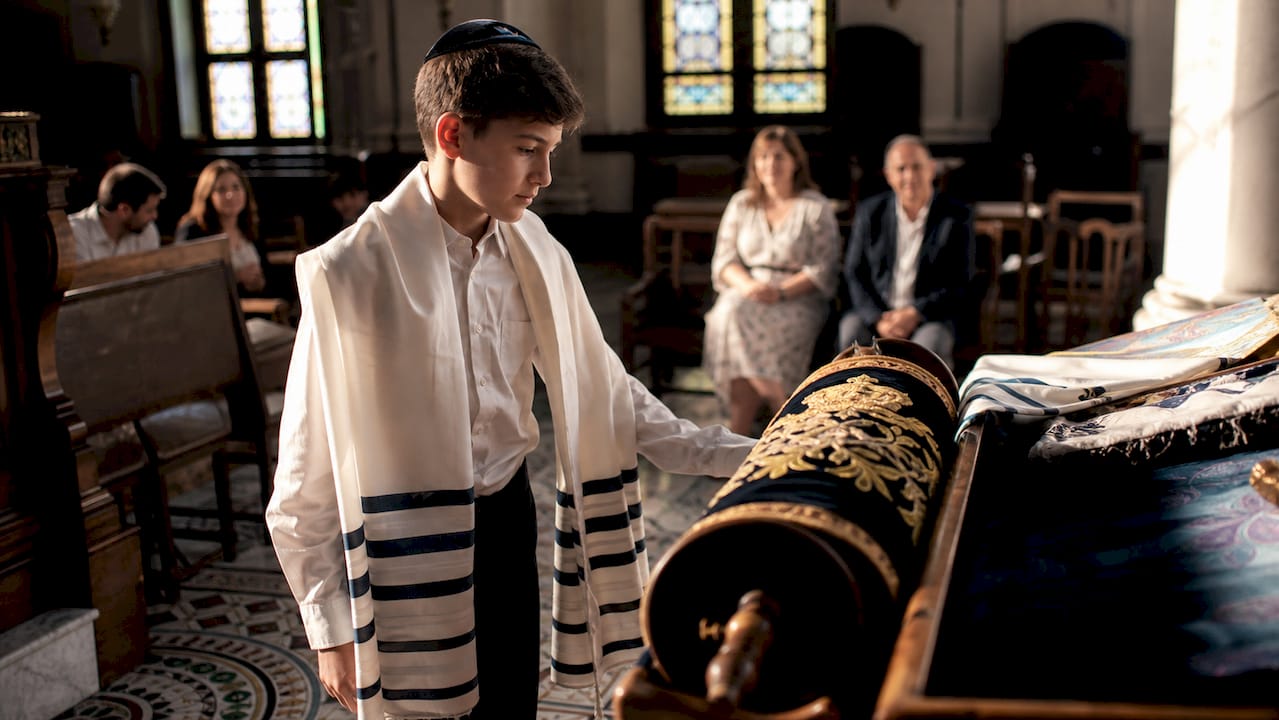
Yes — you can hold a meaningful bar mitzvah ceremony inside an ancient synagogue in Israel. The fastest path to making it happen: reserve your site, confirm ritual permissions, and connect with a planner who knows the heritage rules.
Here’s what to do first:
Check site availability through the Israel Nature and Parks Authority’s Psifas program, which officially permits family bar and bat mitzvah ceremonies at 17 selected heritage sites across Israel.
Confirm the “Psifas” framework applies to your chosen site — not every ancient synagogue is on the list, and each site has its own rules about hours, guest counts, and permitted activities.
Contact the site manager directly or work through a professional planner who handles permits on your behalf.
Prepare your documents: ceremony date, guest count, mobility needs, audio requirements, and whether you plan any food service or music.
Who to contact:
Israel Nature and Parks Authority (Psifas program office) for site-level permits
The individual site manager for logistics and on-site constraints
A professional planner (such as Bneimitzvahtrip) to coordinate all of the above on your behalf
Pro Tip: Book at least 6–12 months in advance. Popular sites like Sepphoris and Ein Keshatot fill up quickly, especially for spring and summer dates when weather is most favorable.
Key Takeaways
Holding a bar mitzvah ceremony in an ancient synagogue in Israel is fully achievable through the Psifas program, but it requires early booking, formal permits, and careful staging to protect both the ritual and the site.
Point | Details |
Book 6–12 months ahead | Popular Psifas sites fill quickly; early reservation protects your date and permit window. |
Psifas covers 17 sites | The Israel Nature and Parks Authority program officially permits family ceremonies at 17 heritage sites, including Sepphoris, Beit Alfa, and Ein Gedi. |
Staging protects the site | Perimeter seating, marked celebrant paths, and wireless AV keep the mosaic floor safe and guests comfortable. |
Ritual prep is site-specific | Confirm Torah access, service format, and your rabbi’s coordination with the site manager well before the ceremony. |
Bneimitzvahtrip handles it all | With 20+ years of experience, Bneimitzvahtrip manages permits, logistics, AV, transport, and photography for families planning from abroad. |
Table of Contents
What a bar mitzvah ceremony looks like inside an ancient synagogue
Practical logistics, access, and conservation rules at heritage sites
How an experienced planner organizes a bar mitzvah at an ancient synagogue
Why ancient-synagogue ceremonies matter more than families expect
Bneimitzvahtrip plans ancient-synagogue bar mitzvahs from start to finish
What a bar mitzvah ceremony looks like inside an ancient synagogue
The core religious elements stay the same regardless of setting. What changes is how you stage them.
Core ritual components typically include:
Aliyah (being called up to the Torah) — the central moment; confirm whether the site can provide a Torah scroll or whether you need to bring a portable one
Torah blessings before and after the reading
Haftarah reading (optional, depending on community custom)
Dvar Torah (a short speech from the bar mitzvah boy or girl)
Tefillin for boys, usually put on the morning of the ceremony
Communal prayers — the service is typically shortened for heritage-site ceremonies to fit within permitted hours
At an ancient synagogue, the service is usually condensed. A full Shabbat morning service rarely works within site time windows, so most families plan a focused ceremony: aliyah, blessings, dvar Torah, and a brief communal prayer. Chabad the standard ritual options — aliyah, leading parts of the service, delivering a speech, and a post-service meal when permitted — all of which translate well to a heritage-site setting.
The experiential layer is where ancient synagogues genuinely stand apart. Families seat guests around or facing the mosaic floor, the celebrant approaches the Torah with the archaeological floor visible behind them, and a brief heritage introduction connects the ceremony to the site’s history. Some families add a short projected video about the site before the service begins.
Pro Tip: Confirm your family’s minhag (community custom) with your rabbi before finalizing the service structure. Ashkenazi, Sephardic, and Mizrahi customs differ in prayer order and Torah-reading style — and the site manager needs to know which Torah portion and reading format you plan to use.
The most commonly used ancient-synagogue sites in Israel
The Psifas program covers 17 sites. These seven are the ones families request most often:
Site | Archaeological Highlight | Key Constraint | Why Families Choose It |
Sepphoris (Tzipori) | Stunning mosaic floor, one of the best-preserved in Israel | Strict foot-traffic rules around the mosaic | Visual drama; mosaic backdrop for photos |
Beit Alfa | Zodiac mosaic floor, 6th-century CE synagogue | Public site with limited exclusive-access windows | Accessible location in the Jezreel Valley |
Ein Keshatot | Ancient synagogue in a nature reserve with springs nearby | Requires advance coordination with site management | Combines ceremony with nature walk and springs |
Ein Gedi Nature Reserve | Synagogue mosaic near the Dead Sea | Remote access; transport planning required | Dramatic Dead Sea backdrop, unique setting |
Masada | Synagogue ruins atop the iconic plateau | Sunrise access only; cable car logistics | Unmatched historical and emotional resonance |
Tel Megiddo | Ancient city layers; synagogue remains | Archaeological site rules are strict | Deep biblical significance; Armageddon site |
Apollonia | Coastal ruins north of Tel Aviv | Limited shade; weather-dependent | Sea views; accessible from central Israel |
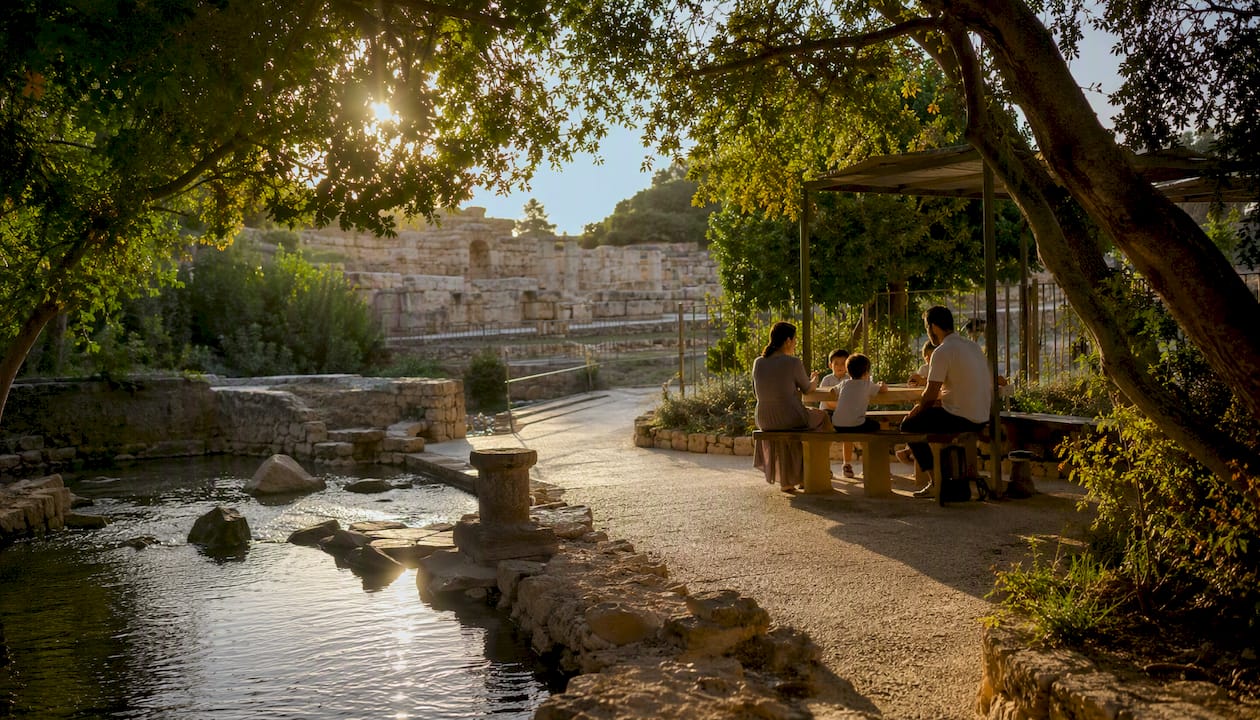
Ein Keshatot’s site positions the experience as an integrated ritual-plus-nature visit: the ceremony happens inside the ancient synagogue, and the surrounding springs and landscape become part of the family’s day. That model — ceremony first, then a guided walk or activity — is the format most sites encourage.
Most of these sites participate in the Psifas program, which means the Israel Nature and Parks Authority has already established a framework for hosting family ceremonies there. That’s a significant practical advantage: the rules are documented, the site staff know what to expect, and the purple-standard update to the program specifies safety and heritage-protection requirements that protect both your family and the site.
How to secure permissions and book your site
The Psifas program makes this more structured than most families expect — which is good news.
Identify your site from the Psifas list and confirm it’s available on your preferred date.
Contact the Israel Nature and Parks Authority (Psifas program office) to register your ceremony intent and receive the site-specific requirements document.
Submit your booking details: ceremony date and time, estimated guest count, mobility or accessibility needs, whether you plan amplified sound, and any food or drink service.
Coordinate with the site manager for on-site logistics: where guests enter, where the Torah will be positioned, and which areas are off-limits.
Arrange after-hours access if needed. Most sites operate during public hours; exclusive or after-hours access involves an additional fee, confirmed through the site manager.
Confirm your rabbi or cantor is registered with the site — some sites require advance notice of who will lead the service.
Documents to prepare:
Guest list with count and any mobility or accessibility requirements
Ceremony program (prayer order, Torah portion, who leads each section)
AV equipment list (microphone type, speaker placement)
Catering plan (pre-packaged food only at most sites; no open flames or hot kitchens)
Transport plan for guests
Pro Tip: When requesting limited-area exclusivity around a mosaic floor, frame it as a conservation request, not a privacy request. Site managers respond much better to “we want to protect the mosaic from foot traffic” than to “we want the site to ourselves.” It’s the same outcome, but one aligns with their mission.
Full planning timeline from first inquiry to ceremony day
6–12 months before:
Choose and confirm your site through the Psifas program
Book your planner and rabbi or cantor
Submit initial permit application to the Israel Nature and Parks Authority
Book flights and accommodation for your family group
3–6 months before:
Finalize guest count and submit to site manager
Confirm AV vendor and equipment list
Arrange transport for guests (especially for remote sites like Masada or Ein Gedi)
Begin bar mitzvah boy’s Torah portion preparation with his tutor or rabbi
1–3 months before:
Confirm catering format with site manager
Finalize ceremony program and share with site manager and rabbi
Book photographer and videographer; brief them on site conservation rules
Arrange accessibility accommodations (ramps, seating, transport from parking)
2–4 weeks before:
Conduct a site visit with the celebrant and clergy
Rehearse the aliyah approach path, Torah position, and microphone placement
Confirm weather contingency plan with site manager (shade, timing adjustments)
Distribute final logistics to all guests
Ceremony day:
Arrive early for AV setup and final walkthrough
Brief guests on conservation rules before entering the synagogue
Execute the ceremony; photographer works within pre-agreed zones
Pro Tip: Schedule a dedicated rehearsal visit for the celebrant and the rabbi at least two weeks before the ceremony. Walking the actual path to the Torah, testing the microphone position, and standing in the space for the first time during the real ceremony are very different experiences.
Practical logistics, access, and conservation rules at heritage sites
Ancient synagogues are active archaeological sites. The rules exist to protect structures that are 1,500–2,000 years old, and they’re non-negotiable.
What’s typically restricted:
No drilling, nailing, or attaching anything to archaeological walls or floors
Amplified sound is limited — wireless lapel microphones and small directional speakers work; large PA stacks do not
No vehicle access beyond designated areas; guests walk from parking zones
Large tents or staging structures require advance approval and are often refused
Open-flame catering (grills, hot kitchens) is prohibited at most sites
Accessibility planning:
Request a site accessibility map when you submit your permit application
Temporary ramps can be arranged at many sites for guests with mobility limitations
Seating should be positioned at the perimeter of mosaic floors, never on top of them
Guest transport from parking to the synagogue entrance is worth arranging for older guests, especially at hillside sites like Masada
Conservation behavior for guests:
Brief all guests before entering: no touching walls or floors, no food inside the synagogue structure, stay within marked areas
Children need specific supervision near mosaic surfaces
Photographers must agree in advance to no tripod placement on mosaic floors
Staging choices at sites like Sepphoris show how experienced planners handle this: temporary raised platforms at perimeter seating positions, a clearly marked path for the celebrant that avoids fragile tesserae, and microphone placement that keeps cables off the floor entirely.
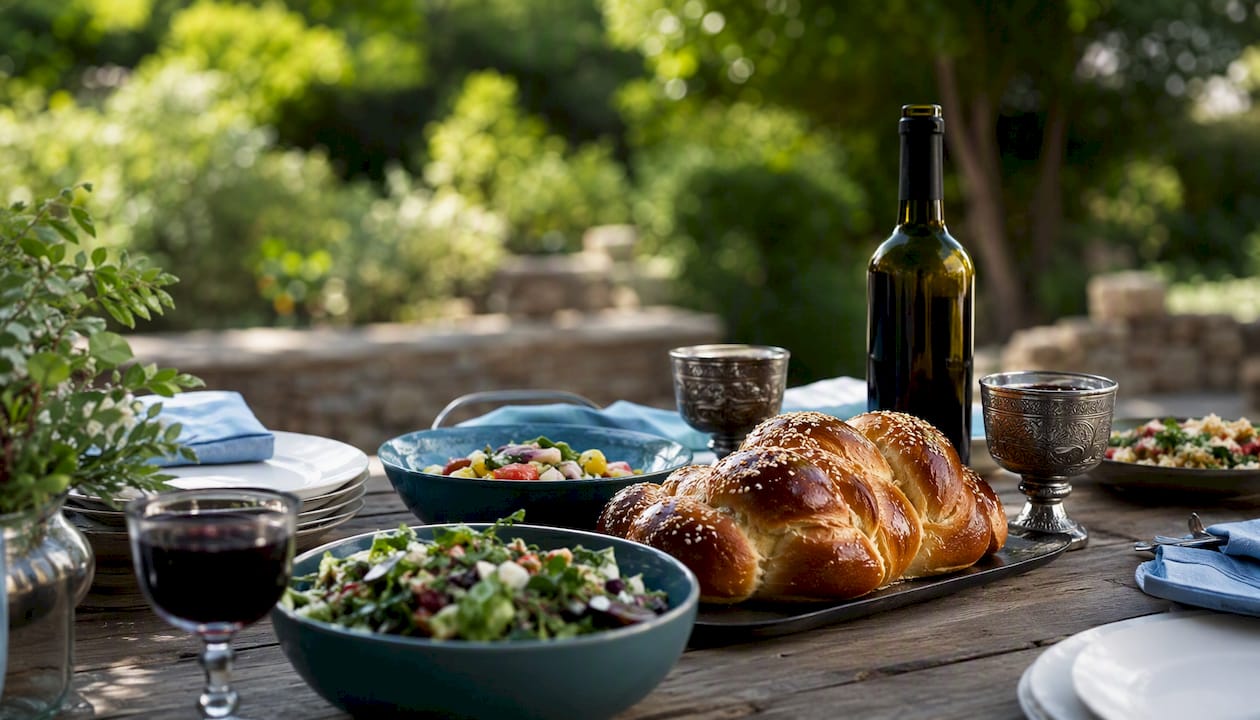
Pro Tip: Pre-packaged food and cold catering work well at nearly every site. A light kiddush with challah, wine, and cold dishes is both permitted and practical. Save the full reception for a separate venue later in the day.
How an experienced planner organizes a bar mitzvah at an ancient synagogue
Here’s the workflow Bneimitzvahtrip uses for families coming from the U.S. to celebrate at a heritage site in Israel:
Initial inquiry: Family shares preferred sites, ceremony date range, guest count, and religious background (denomination, minhag, rabbi contact).
Site reservation: Planner contacts the Psifas program office and site manager, confirms availability, and submits the permit application on the family’s behalf.
Ritual coordination: Planner connects the family’s rabbi with the site manager to confirm Torah access, service format, and any site-specific requirements.
Logistics planning: Seating layout, AV equipment list, transport from accommodation to site, accessibility needs, and catering format are all confirmed in writing with the site.
Vendor coordination: Photographer and videographer are briefed on conservation rules and pre-approved shooting zones; AV technician confirms equipment compatibility with site restrictions.
Rehearsal: Planner accompanies the celebrant and clergy for an on-site walkthrough, testing microphone placement and the aliyah approach path.
Ceremony day: Planner is on-site from setup through the end of the ceremony, managing timing, guest flow, and any last-minute adjustments.
What Bneimitzvahtrip handles on your behalf:
Permit applications and site-manager communications
AV equipment sourcing and setup within site rules
Guest transport logistics
Professional photography and videography
Heritage content (short historical briefing for guests)
Backup planning for weather or access changes
With over 20 years of experience in Israel-based Bar and Bat Mitzvah planning, Bneimitzvahtrip has navigated the Psifas program, coordinated with site managers across the country, and handled the ritual variations that come with families from different Jewish communities. That experience matters most when something unexpected happens on the day — and at outdoor heritage sites, something always does.
Creative ways to enrich the ceremony experience
The ancient setting does a lot of the work. These additions deepen it without overwhelming the ritual:
Guided mini-tour before the ceremony: a 15-minute walk through the site with a knowledgeable guide connects guests to the history before the service begins
Short heritage video projected at the site entrance or on a small screen: a 3–5 minute film about the synagogue’s history and the community that built it
Printed ceremony programs that include a one-page history of the site alongside the prayer order — guests leave with something they’ll actually keep
Children’s activity sheets about the mosaics: simple illustrated guides that keep younger guests engaged and teach them about the archaeological significance
Interactive family storytelling: ask family members to share a short memory or blessing tied to the site’s theme of continuity and Jewish history
Charitable mitzvah tie-in: arrange a donation to the Israel Nature and Parks Authority or a tree-planting in the celebrant’s name as part of the ceremony
Post-ceremony nature walk to the site’s natural features (springs at Ein Keshatot, the Dead Sea view at Ein Gedi) — a natural transition from the formal ceremony to family time
For families who want to go deeper, ancient Jewish sites across Israel offer heritage storytelling opportunities that connect the bar mitzvah moment to thousands of years of Jewish presence in the land.
What a bar mitzvah at an ancient synagogue typically costs
Pricing varies by site, season, and service level. These are the budget categories to plan for:
Cost Category | What It Covers | Notes |
Site permit fee | Psifas program access and ceremony authorization | Varies by site; confirm with Psifas office |
After-hours or exclusive access | Additional fee for private ceremony window | Not all sites offer this; request early |
Planner fee | Full-service coordination, permits, logistics | Varies by scope and package |
Rabbi or cantor honorarium | Leading the service and Torah reading | Separate from planner fee |
AV rental | Wireless microphones, small speakers, setup | Must comply with site restrictions |
Guest transport | Shuttle or private transport to remote sites | Required for Masada, Ein Gedi |
Photography and videography | Professional coverage within site rules | Brief vendors on conservation rules |
Catering logistics | Cold kiddush, pre-packaged food, serving setup | No hot kitchens at most sites |
Questions to ask every vendor:
Does your quote include the site permit fee, or is that separate?
What’s the per-guest cost for transport and catering?
What happens if the site requires last-minute changes to the setup?
The biggest savings opportunity is combining the ceremony with a multi-day family trip. When the bar mitzvah is part of a planned Israel itinerary, transport, accommodation, and guide costs spread across the full trip rather than sitting entirely on the ceremony day. Full-service planning is worth the premium when you’re coordinating an international family group across a heritage site with strict rules — the cost of a permit error or a staging mistake far exceeds the planner’s fee.
Why ancient-synagogue ceremonies matter more than families expect
Most families come to this decision thinking about aesthetics: the mosaic floor, the dramatic setting, the photographs. What they don’t anticipate is the weight of the moment itself.
Standing in a synagogue where Jews prayed 1,500 years ago, reading from the same Torah portion that communities read in that very room, is a different experience from any modern venue. The setting doesn’t just look meaningful — it is meaningful, in a way that guests feel without needing it explained to them.
That said, the practical risks are real. Heritage sites require more preparation than a hotel ballroom. The Psifas program’s purple-standard framework exists precisely because early ceremonies at these sites caused damage — and the rules since introduced are genuinely strict. Families who arrive underprepared, without confirmed permits or a clear staging plan, create problems for themselves and for every family that wants to use the site after them.
The families who get this right treat the ceremony as integrated with the heritage visit, not as a private party that happens to be held at an archaeological site. Service structure and community customs vary enough that a rabbi who has never coordinated at a heritage site may need guidance on what’s feasible within the time and space constraints. That coordination — between the family’s religious practice and the site’s physical reality — is where experienced planning makes the biggest difference.
Bneimitzvahtrip plans ancient-synagogue bar mitzvahs from start to finish
Coordinating a bar mitzvah ceremony at a heritage site from abroad is genuinely complex. Bneimitzvahtrip handles every piece of it: Psifas permits, site-manager communications, AV setup within conservation rules, guest transport, professional photography, and the heritage content that makes the ceremony meaningful for guests who’ve never stood in an ancient synagogue before.
Families get a single point of contact who knows the Psifas program, has worked with site managers across Israel, and understands the ritual variations that come with different Jewish communities. The full tour packages combine the ceremony with accommodation, guided experiences, culinary highlights, and family activities — so the bar mitzvah becomes the centerpiece of a complete Israel trip rather than a single event to organize in isolation. With over 20 years of experience, Bneimitzvahtrip has the relationships and the process to make this work smoothly for families traveling from the U.S.
Ready to start planning? Explore the bar mitzvah tour options and reach out to discuss your family’s dates, preferred sites, and ceremony vision.
Sources
Use these directly to verify rules, check availability, and begin your booking process:
What to do with each source:
Recommended
Comments