Essential Bar Mitzvah Blessings Every Parent Should Know

TL;DR:
Choosing the right blessings depends on your synagogue’s tradition and personal values.
Traditional blessings include the father’s blessing, Torah honors, and gratitude prayers, emphasizing responsibility.
Modern additions like personal blessings or English readings help families create meaningful, inclusive ceremonies.
Choosing the right blessings for your son’s Bar Mitzvah can feel surprisingly overwhelming. You want to honor Jewish tradition, satisfy your synagogue’s requirements, and still make room for something personal and real. Many families find themselves caught between what feels spiritually right and what feels authentically theirs. This guide breaks down the most important Bar Mitzvah blessings, explains what they mean, compares traditional and modern approaches, and gives you a clear framework for making choices that will resonate with your child for a lifetime.
Table of Contents
How to choose the right Bar Mitzvah blessings for your family
Traditional blessings: Core elements every parent should know
Modern and inclusive blessings: Adapting to your family’s values
Bar Mitzvah blessings at a glance: Quick reference and comparison
Our perspective: Why meaningful blessings matter more than perfection
Key Takeaways
Point | Details |
Balance tradition and meaning | Customizing blessings lets families honor tradition while adding heartfelt, personal touches. |
Include both core and modern blessings | Combining traditional and contemporary prayers enhances the ceremony and family participation. |
Focus on authenticity | Sincerity in your words has greater spiritual impact than perfect pronunciation. |
Consult your synagogue | Local customs can affect which blessings are expected or encouraged, so coordinate in advance. |
How to choose the right Bar Mitzvah blessings for your family
Before you select a single blessing, know where your synagogue stands. Orthodox, Conservative, and Reform congregations each follow distinct customs, and what is standard in one setting may be entirely optional in another. Start there. Everything else flows from that foundation.
Here are the core blessings most families encounter during the ceremony:
Baruch Sheptarani (the father’s blessing releasing his son’s spiritual responsibility)
Blessings before and after the Torah reading (called Aliyah blessings)
Bar’chu (the call to worship)
Sh’ma and V’ahavta (the central declaration of Jewish faith)
Shehecheyanu (a blessing of gratitude for reaching this milestone)
Kiddush (the blessing over wine)
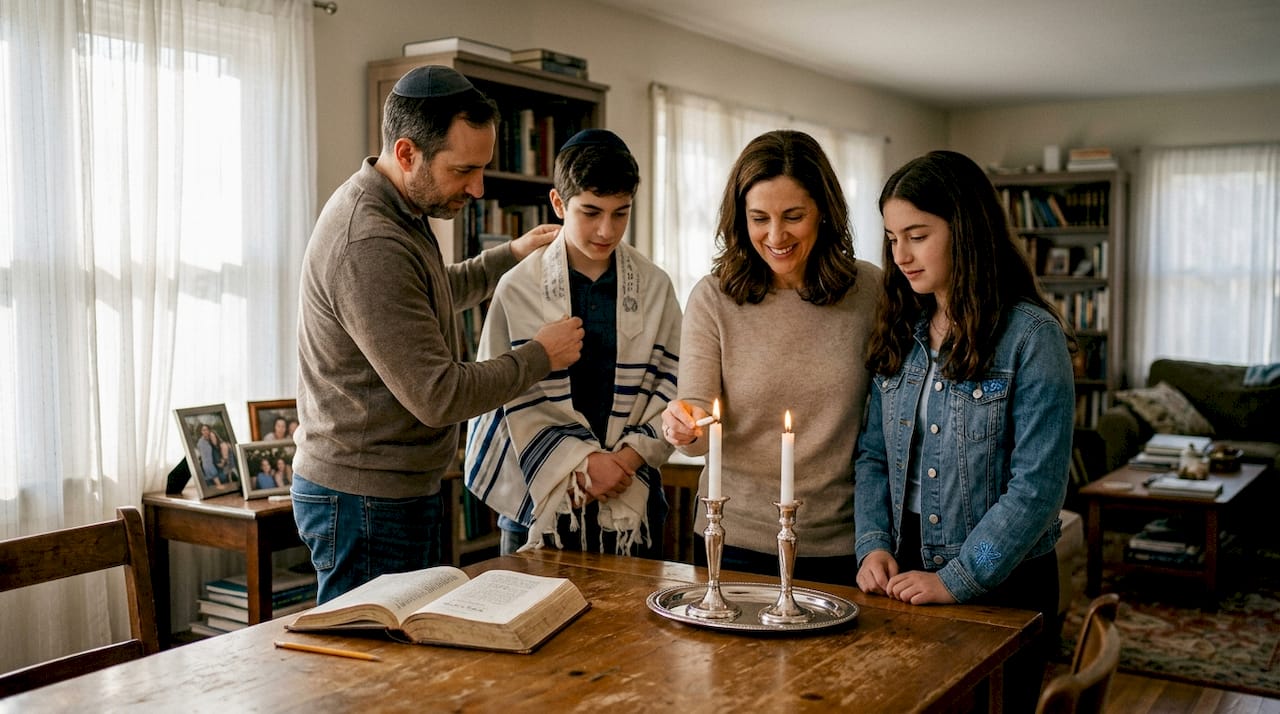
Tallit blessing (recited when wearing the prayer shawl for the first time)
Parental roles are shifting. While the father traditionally held the primary blessing role, more families are now choosing to include both parents. That shift reflects a growing emphasis on inclusivity that many congregations actively support. Meaningful Bar Mitzvah ideas can help you think creatively about how your family participates in the day.
Every family’s situation is unique. A family with interfaith roots, a single parent, or a blended household will approach this differently than a family with a long Orthodox tradition. Consult your rabbi or synagogue for specific customs before finalizing your selections. That conversation will save you from surprises on the day itself.
Pro Tip: Ask your rabbi not just “what blessings are required” but “what do most families in our community choose to add?” The answer often reveals meaningful options you would never have found on your own.
Traditional blessings: Core elements every parent should know
Once you understand your synagogue’s expectations, it helps to know exactly what each traditional blessing involves and why it matters.
The most important blessing for the father is the Baruch Sheptarani. Translated loosely as “Blessed is the One who has released me from the responsibility of this child,” it marks the moment a Jewish boy formally becomes accountable for his own religious obligations. It is both a legal declaration and a deeply emotional milestone.
“Baruch Sheptarani is not a farewell. It is a recognition that your son has arrived. He is now responsible. That is worth marking.”
Here is a numbered overview of how the major traditional blessings appear during the ceremony:
Bar’chu opens formal prayer and signals the congregation to gather spiritually
Sh’ma and V’ahavta affirm the central Jewish belief in one God
Torah Aliyah blessings are recited after Torah reading by the Bar Mitzvah boy and sometimes parents
Baruch Sheptarani is spoken by the father after his son completes his Torah portion
Haftarah blessings follow the reading from the Prophets
Kiddush sanctifies the occasion with wine
These traditions that enrich the day have been passed down for centuries. Even families with limited Hebrew knowledge often find that participating in these blessings, even phonetically, creates a profound sense of connection to something larger than themselves.
Modern and inclusive blessings: Adapting to your family’s values
Tradition matters, but many families today want the Bar Mitzvah to reflect who they actually are, not just who their ancestors were.
The Shehecheyanu blessing is a perfect bridge between old and new. It translates to: “Blessed are You, Lord our God, who has kept us alive, sustained us, and brought us to this moment.” Short, powerful, and genuinely universal in feeling. In liberal synagogues, Shehecheyanu or personal blessings are common, and both parents may participate fully in the ceremony.
Modern inclusions families are adding:
Tallit presentation with a personal blessing from a parent or grandparent
English readings alongside Hebrew blessings for family members less fluent in Hebrew
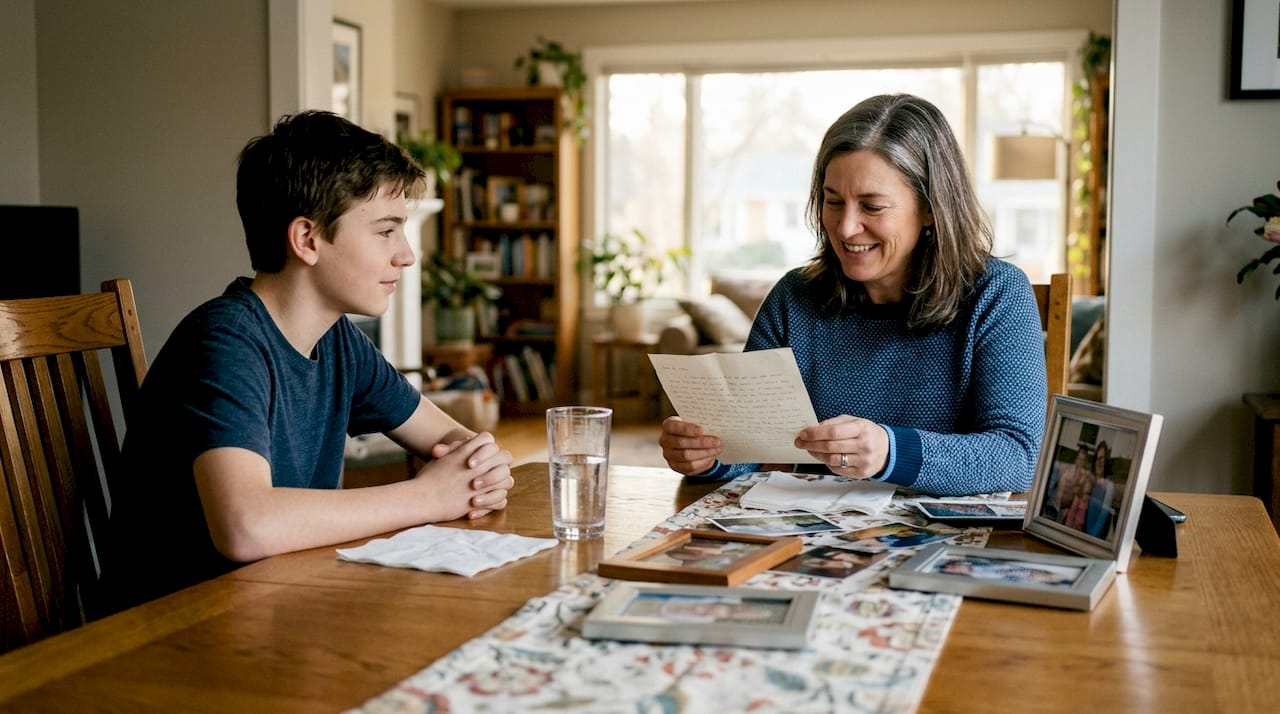
Personal written blessings from each parent, spoken aloud before the congregation
Poems or quotes rooted in Jewish values but written in the family’s own words
Personal blessings or brief speeches focusing on hopes and values are increasingly recommended by clergy and educators alike. One common approach: each parent writes three sentences. One sentence honors the past. One celebrates the present. One expresses a hope for the future. Simple, memorable, deeply personal.
For inclusive options for interfaith families, there are thoughtful ways to weave in both parents’ spiritual backgrounds without compromising the integrity of the Jewish ceremony.
Pro Tip: When writing your personal blessing, skip the generic phrases. Instead, name one specific quality you love about your son and one value you hope he carries forward. Specificity is what makes it unforgettable.
Bar Mitzvah blessings at a glance: Quick reference and comparison
After exploring both traditional and modern blessings, here is a quick comparison to help you decide which suit your family best.
Blessing | English meaning | Tradition | Who recites it | When used |
Baruch Sheptarani | Release of parental responsibility | Orthodox, Conservative | Father | After Torah portion |
Shehecheyanu | Gratitude for this moment | Conservative, Reform | One or both parents | Start or after Torah reading |
Torah Aliyah blessings | Honoring the Torah | All traditions | Bar Mitzvah boy, sometimes parents | Before and after Torah reading |
Tallit blessing | Blessing over prayer shawl | All traditions | Bar Mitzvah boy or parent | At the start of the service |
Kiddush | Sanctification over wine | All traditions | Leader or family | Closing of service |
Bar’chu | Call to worship | All traditions | Prayer leader | Opening of service |
The full list of prayers taught for Bar Mitzvah also includes the Candle Blessing, Torah Study Blessing, Mi Chamocha, and V’ahavta, giving you a rich menu of options.
Quick customization tips:
Match your blessing choices to your synagogue’s denomination first
Add Shehecheyanu if you want both parents equally involved
Include a personal blessing if your rabbi approves of English additions
Consider your extended family’s Hebrew comfort level when planning participation
If you are planning a Bar Mitzvah tour in Israel, the location itself adds a spiritual layer that makes even the simplest blessing feel extraordinary.
Our perspective: Why meaningful blessings matter more than perfection
After more than 20 years helping families celebrate Bar Mitzvahs, we have noticed something consistent. The moments families remember most are rarely the ones where everything went perfectly. They are the moments where someone spoke from the heart.
A father who stumbles through the Baruch Sheptarani with tears in his eyes. A mother who reads a personal blessing she wrote at 2 a.m. the night before. These moments land. The personal meaning in traditions matters far more than flawless execution. Your child will not remember whether the Hebrew was perfect. He will remember that you showed up fully, that you meant every word, and that the room felt it.
Chase sincerity, not perfection. That is the real tradition worth passing down.
Create a Bar Mitzvah your family will never forget
Ready to plan a celebration that blends tradition with lifelong memories? The blessings you choose set the spiritual tone. The setting can multiply that impact tenfold.
At Bnei Mitzvah, we have spent over 20 years guiding families through once-in-a-lifetime celebrations in Israel. Celebrating at the Western Wall, Masada, or the Sea of Galilee gives every blessing a context that no American venue can replicate. Explore our Bar Mitzvah tour options in Israel and see how we combine meaningful ceremony with unforgettable family experiences. Our Israel Bar Mitzvah tour details will show you exactly what is possible.
Frequently asked questions
Which Bar Mitzvah blessings are considered essential?
The Baruch Sheptarani, blessings before and after the Torah, and Shehecheyanu are the most commonly included across all major Jewish denominations.
Can mothers recite blessings during a Bar Mitzvah?
Both parents may participate in reciting blessings in Conservative and Reform settings, and personal speeches from mothers are warmly welcomed in most modern congregations.
What is the Shehecheyanu blessing and when is it used?
Shehecheyanu thanks God for reaching this special moment and parents often recite it at the start of the service or immediately after the Torah reading.
Are personal blessings or speeches by parents required?
Many synagogues encourage parents to offer a personal blessing or short speech, but it is optional and depends entirely on your congregation’s customs.
Recommended
Comments