Israel Kosher Food: What to Expect and How to Check

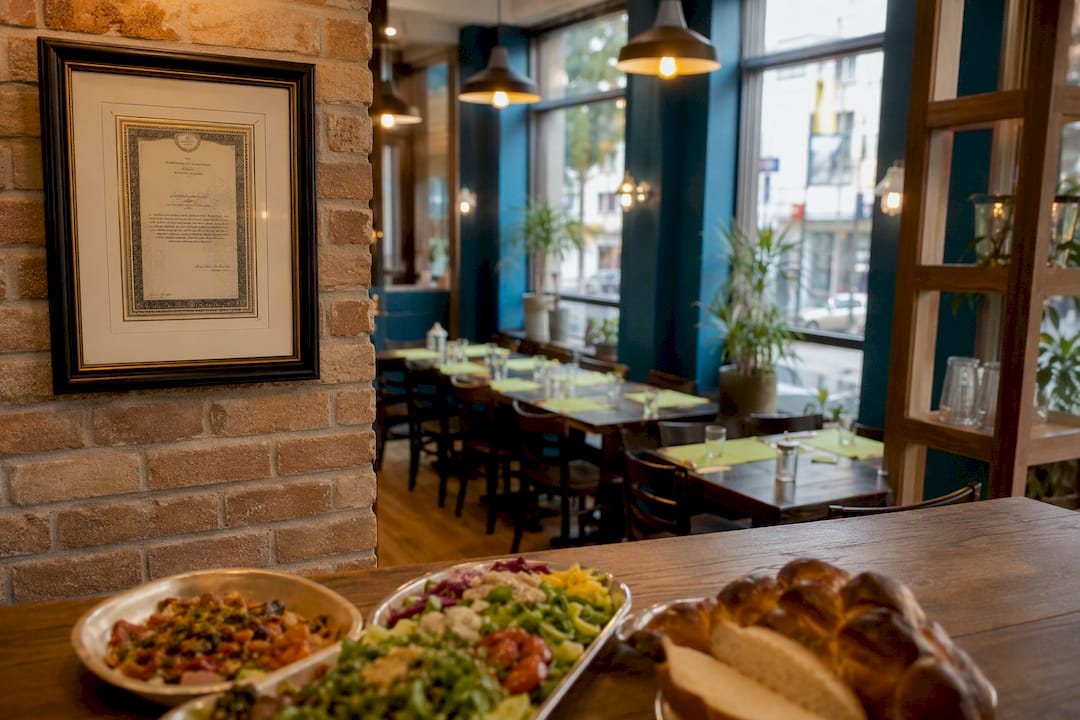
Kosher food is easy to find across Israel, from big-city restaurants to small-town bakeries, and most of what you eat there will carry some form of rabbinic supervision, without you having to ask. The real skill isn’t finding kosher food. It’s reading the signals that tell you what kind of kosher you’re getting.
Look for the certificate. A framed hechsher (certificate) on the wall, issued by the Chief Rabbinate, Badatz, or Tzohar, is your fastest confirmation.
Note the supervising body. Rabbanut, Badatz, and Tzohar all operate under different stringency standards.
Ask about meat. If you keep Glatt or Beit Yosef standards, ask directly. Staff expect the question.
Key Takeaways
Kosher food is the default across Israeli cities, and the hechsher certificate on the wall, not the restaurant’s reputation, is what actually tells you the certification level and supervising body.
Point | Details |
Certification is standard | Most restaurants, hotels, and supermarkets in Israel operate under some form of rabbinic supervision. |
Check the hechsher | A framed certificate naming the supervising body is the fastest, most reliable verification method. |
Bodies vary in strictness | Rabbanut, Badatz, and Tzohar each apply different standards, so match the label to your own observance level. |
Shabbat changes availability | Many restaurants close Friday afternoon through Saturday night, especially in Jerusalem. |
Plan family events with a specialist | Bneimitzvahtrip coordinates kosher venues and caterers for Bar and Bat Mitzvah tours around your group’s certification needs. |
Table of Contents
Kosher in Israel: How Common Is It, Really?
Certification is the default in Israeli retail food, not the exception. Most supermarkets, bakeries, and sit-down restaurants operate under some form of rabbinic supervision, and kosher certification is not a legal requirement for most imported food, except for beef, poultry, and other meat products under a 1994 law covered in USDA reporting. That single carve-out explains why meat products get extra scrutiny at the border while a jar of tahini often doesn’t.
For visitors, this changes almost nothing in daily practice. Meat and dairy separation shows up automatically in supermarket layouts and restaurant menus that stick to one or the other. And you don’t need to worry about ancient agricultural laws like Terumah, Ma’aser, or Shemitah when you’re buying groceries. Supervised vendors and retailers already handle those obligations before the product ever reaches a shelf.
Where You’ll Find Kosher Food In Israel
Kosher supervision shows up in more places than most first-time visitors expect, and the format shifts by region and neighborhood.
Restaurants and cafes, especially in city centers and religious neighborhoods, post a hechsher near the entrance or register.
Hotel dining rooms, almost universally, since Israeli hospitality standards assume kosher guests.
Supermarkets and bakeries, where certification is close to standard practice.
Street food stalls in Mahane Yehuda, the Carmel Market, and similar hubs, many operating under municipal Rabbanut supervision.
Caterers, who typically carry certification tied to a specific event venue.
Jerusalem leans heavily toward Mehadrin and Badatz supervision, reflecting the city’s larger religious population. Tel Aviv has more Regila (standard) certification and independent supervisors, alongside a thriving secular food scene. Head north and the character changes again: the Galilee region is known for artisan dairies, Druze culinary traditions, and farm-to-table restaurants under local rabbinic oversight, a different flavor of kosher dining than the urban centers.
Who Certifies Kosher In Israel, And What The Labels Mean
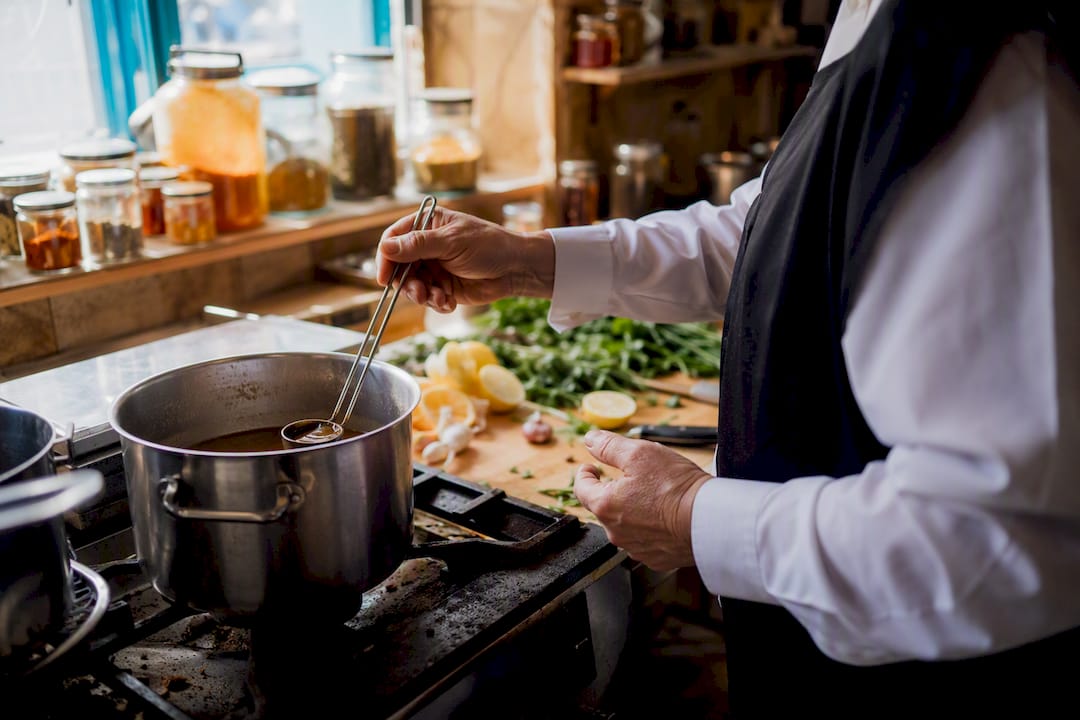
Kashrut supervision in Israel runs through a genuinely layered system, not one central office stamping every restaurant the same way. The Chief Rabbinate (Rabbanut) is the historic government body, operating through local rabbinates that issue a hechsher and assign a mashgiach, an on-site supervisor who checks ingredients, food prep, and kitchen practices.
Beyond the Rabbanut sit stricter, independent options. Badatz organizations, including Badatz Eda Charedi, represent ultra-Orthodox rabbinical courts and generally apply tighter standards than a standard municipal certificate. Tzohar, a modern religious-Zionist organization, has emerged as an alternative supervisor for diners who want reliable kashrut without the full Badatz stringency. TaamTaam’s directory tracks multiple active certification bodies operating across the country, which is exactly why two restaurants both labeled “kosher” can mean different things.
A few label distinctions matter in practice:
Mehadrin vs. Regila: Mehadrin applies stricter sourcing and preparation rules; Regila meets the baseline standard.
Halav Israel: dairy supervised from the point of milking, required by some observant diners for dairy products.
Badatz-level meat: often the marker strict diners look for on beef and poultry specifically.
Policy has shifted the ground under this system recently. A 2026 law, analyzed by the Israel Democracy Institute, largely repealed a 2021 reform and restored the Chief Rabbinate’s central authority over who can issue official certificates. The Knesset confirmed the change in July 2026, giving the Rabbanut exclusive control over official kosher status. For diners, this mostly affects which bodies can legally call their supervision “official,” not whether the food on your plate is trustworthy.
Pro Tip: The hechsher on the wall is still your fastest, most reliable check. If a place advertises itself as “kosher-style” with no visible certificate, treat that as informal, not certified.
How Do You Check If A Place Is Actually Kosher?
A restaurant claiming to be kosher and a restaurant certified as kosher are two different things, and the gap between them is easy to close with a 30-second check.
Find the certificate. Look for a framed teudah near the entrance, register, or kitchen pass, listing the supervising body and expiration date.
Identify who issued it. Rabbanut, Badatz, or Tzohar each signal a different stringency level, so match it to your own standard.
Ask about meat standard, if that matters to you. “Is this Glatt?” or “Is this Beit Yosef?” are completely normal questions to staff.
Confirm Halav Israel for dairy if you require it, particularly for desserts and coffee drinks.
Cross-check with a directory like TaamTaam or eLuna before you go, both of which list supervising bodies and certification levels for restaurants nationwide.
If a certificate looks expired or a server hesitates, that’s your cue to ask a direct, polite follow-up rather than assume.
Shabbat And Holidays Change The Rules
Friday afternoon through Saturday night, a large share of Israeli restaurants and shops close entirely, particularly in Jerusalem and other religious-leaning cities. Tel Aviv and mixed secular neighborhoods stay livelier, with some cafes and hotel restaurants operating through Shabbat, often on a pre-set or buffet basis rather than full menu service.
Major holidays reshape the calendar further:
Passover restricts leavened products across nearly all kosher establishments for the full week.
Rosh Hashanah and Yom Kippur bring widespread closures, sometimes for a full 48 hours around Yom Kippur.
Sukkot often shifts outdoor dining setups, with some restaurants building temporary sukkah seating.
Book holiday meals in advance, confirm your hotel’s specific Shabbat dining policy before arrival, and finish grocery shopping before sundown Friday. Waiting until Saturday morning to find an open supermarket in a religious neighborhood rarely ends well.
Practical Tips For Eating Kosher In Israel
A few small habits prevent most awkward moments at the table.
Don’t ask a kosher kitchen to prepare a non-kosher substitution, even something as simple as adding shrimp to a salad. It puts staff in an impossible position.
Mention allergies and vegetarian needs clearly, phrasing it as “I can’t eat X” rather than requesting off-menu preparation.
Mixed-observance groups can absolutely dine together at a certified kosher restaurant. Travel writers who’ve covered the scene note that non-Jewish and non-observant diners are welcome as long as everyone respects the venue’s rules, particularly around Shabbat hours.
For hotel room service, confirm which kitchen prepared the meal, since some hotels run a separate non-kosher outlet alongside their kosher dining room.
A Few Notable Kosher Spots Worth Knowing
A short, geographically spread list gives you a feel for the range, from upscale hotel dining to street-level classics.
Darya at Hilton Tel Aviv brings elevated Mediterranean cuisine to a beachfront hotel setting, under standard kosher supervision typical of major hotel chains.
Jacko’s Street in Jerusalem serves North African and Middle Eastern grilled fish and seafood-style dishes in a lively market atmosphere near Mahane Yehuda.
Azia 19 in Jerusalem focuses on pan-Asian kosher fusion, a genuinely rare combination in a city known more for traditional fare.
Northern Galilee dairies and farm restaurants offer artisan cheese and Druze-influenced meals under local rabbinic supervision, a strong pick if you’re touring outside the main cities.
For anything beyond this short list, eLuna and TaamTaam both maintain searchable restaurant listings with supervising body and certification level attached to each entry, which beats guessing from a menu alone.
Planning Kosher Dining Around A Family Milestone Trip
Coordinating meals for a multi-generational group adds a layer most solo travelers never think about: matching one family’s Mehadrin expectations with another relative’s more relaxed standard, all inside one itinerary.
Lock in venues early that meet your group’s required certification level, especially for a celebration meal tied to a Bar or Bat Mitzvah ceremony.
Confirm kiddush and catering details directly with the venue, not just the hotel’s general banquet team.
Flag dietary restrictions for the full group in advance, particularly for allergies layered on top of kosher requirements.
Pro Tip: Build your itinerary around Shabbat rather than against it. A Friday afternoon ceremony followed by a Shabbat dinner at a Mehadrin restaurant tends to feel more meaningful than squeezing sightseeing into the same window.
What actually works for families on the ground
The pattern that holds up trip after trip: pre-book a trusted Rabbanut or Mehadrin restaurant for the big event, lean on directories like TaamTaam for everyday meals, and ask one direct verification question at check-in. Simple, and it works.
Planning A Kosher-Friendly Family Trip Without The Guesswork
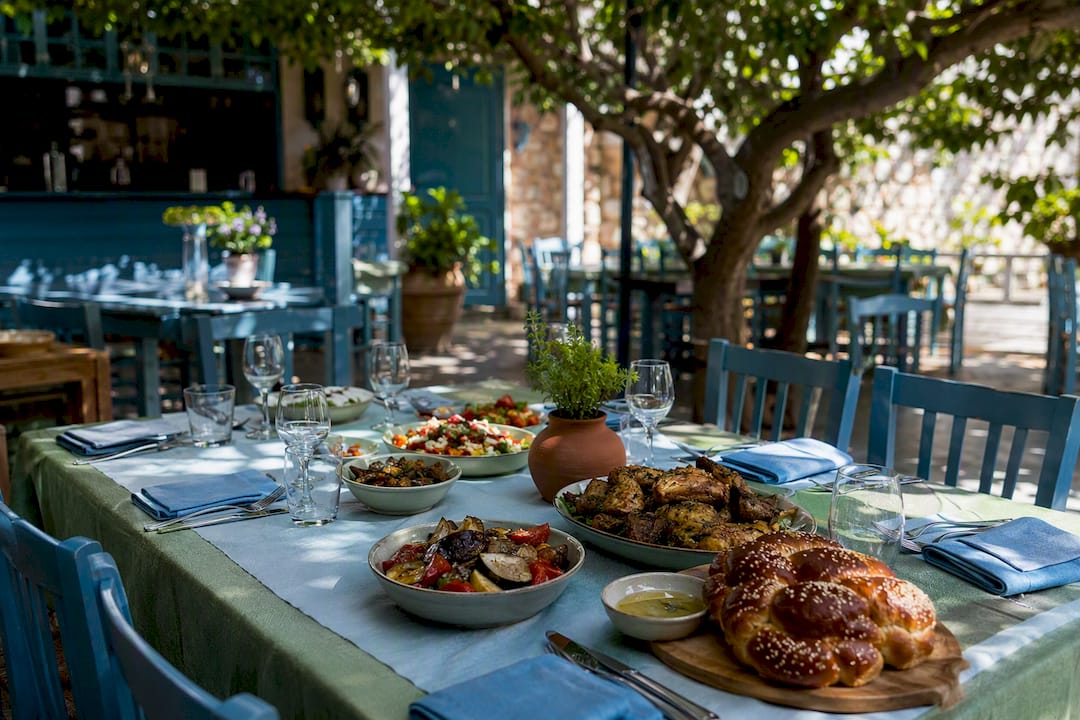
Coordinating certification levels, holiday timing, and multi-generational preferences across an entire itinerary is a genuinely different job than picking one restaurant for dinner. Bneimitzvahtrip builds that coordination into every Bar and Bat Mitzvah tour it plans, matching venues and caterers to your family’s specific kashrut standard before you ever land.
That means someone has already confirmed which hotels run Mehadrin kitchens, which restaurants can handle a 20-person celebration dinner around Shabbat, and how to pair sightseeing days with meal timing that doesn’t fight the calendar. Pairing lodging with dining logistics is its own skill, and general travel-and-gastronomy planning guidance backs up how much smoother a trip runs when that’s sorted in advance rather than improvised. If you’re mapping out a Bar or Bat Mitzvah celebration and want the kosher dining piece handled alongside the ceremony and activities, start with our tour planning page and tell us your family’s certification preferences up front.
Sources
Verify certification directly rather than relying on a menu description alone.
Recommended
Comments