Why Mark Mitzvah at Ancient Sites in Israel

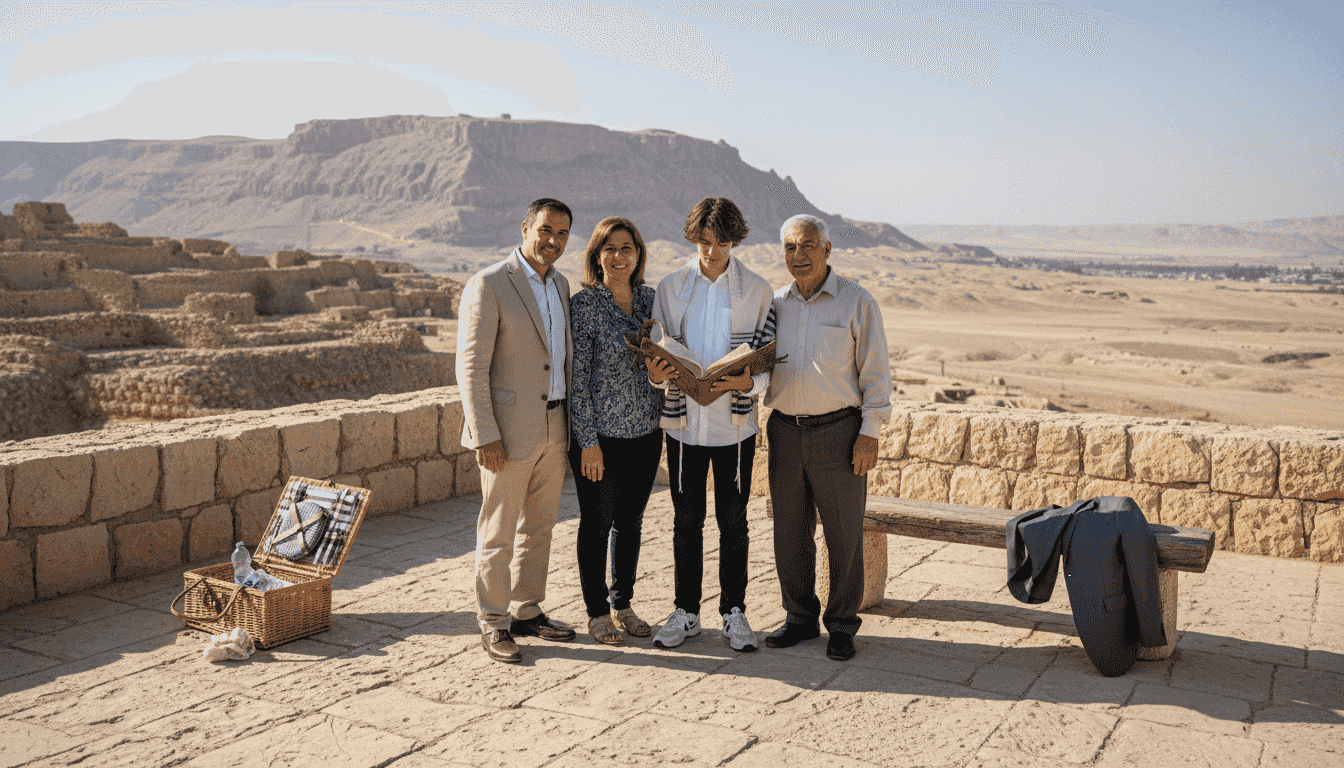
Every Jewish parent wants their child’s Bar or Bat Mitzvah to feel unforgettable and deeply personal. Choosing an ancient site in Israel for this milestone connects your family to living history, turning a traditional celebration into a powerful moment of cultural continuity. These sites offer more than breathtaking views—they ground your child’s rite of passage in centuries of Jewish heritage, strengthening your family’s bonds and Jewish identity for generations.
Table of Contents
Key Takeaways
Point | Details |
Ancient Sites Enhance Experience | Celebrating a mitzvah at ancient locations deepens personal connection and reinforces cultural identity. |
Historical Context is Vital | Choosing sites like Masada or the Western Wall connects your child to significant Jewish history. |
Family Engagement is Key | Involving family in the planning process fosters unity and shared understanding of heritage. |
Preparation Ensures Meaning | Adequate logistical and religious preparation is essential to focus on the ceremony’s spiritual significance. |
Meaning Behind Marking Mitzvah at Ancient Sites
Marking a mitzvah at an ancient site in Israel transforms a religious milestone into something far more personal and profound. Your child isn’t just celebrating becoming a Jewish adult—they’re doing it in the exact places where Jewish history was written.
When you choose to celebrate at locations like Masada, the Western Wall, or Qumran, you’re connecting your child to thousands of years of continuity. These aren’t just tourist destinations. They’re the physical landscape of your family’s heritage.
The meaning shifts when it happens in context. The bar and bat mitzvah tradition evolved significantly over time, moving from a purely religious initiation rite to a celebration that blends personal biography with cultural identity. At ancient sites, this blend becomes tangible.
Here’s what makes it different:
Historical resonance: Your child becomes part of a chain stretching back millennia, not just a transition to adulthood
Spiritual grounding: The actual geography reinforces the religious and cultural lessons
Memory creation: These moments anchor identity in a way a synagogue service alone cannot
Family engagement: Everyone present understands they’re part of something bigger than themselves
Why Ancient Sites Matter
Think of it this way: a mitzvah ceremony anywhere marks the transition. A mitzvah ceremony at Masada marks the transition as a descendant of survivors, as an heir to resistance, as part of Jewish continuity.
Your child reads Torah in the same land where ancient Jewish communities thrived. They stand where their ancestors stood. That’s not just educational—it’s transformative.
When a child celebrates their mitzvah where Jewish history actually happened, they’re not learning about their heritage; they’re standing inside it.
The ancient sites become a physical classroom. Masada teaches about Jewish resilience. The Western Wall connects to spiritual yearning across centuries. Qumran reveals how scholars preserved Jewish texts during crisis. Each location delivers a lesson your child will carry forever.
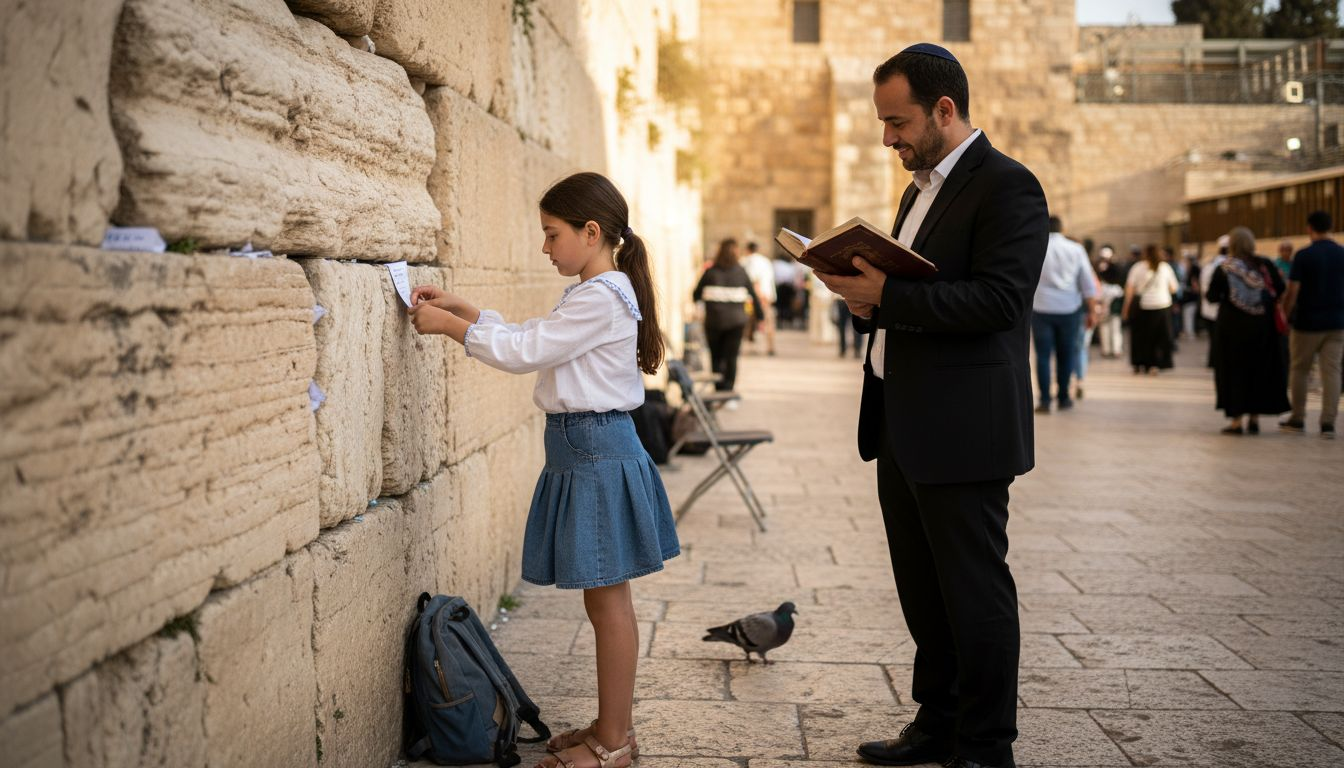
Pro tip: Schedule your ceremony timing to align with meaningful historical dates or seasonal significance at your chosen site—this layering of meaning creates a richer, more memorable experience for your entire family.
Types of Ancient Sites for Bar or Bat Mitzvah
Israel offers dozens of ancient sites where your child can celebrate their mitzvah. Each location carries different historical weight and spiritual significance. Choosing the right one depends on what story you want your child’s milestone to tell.
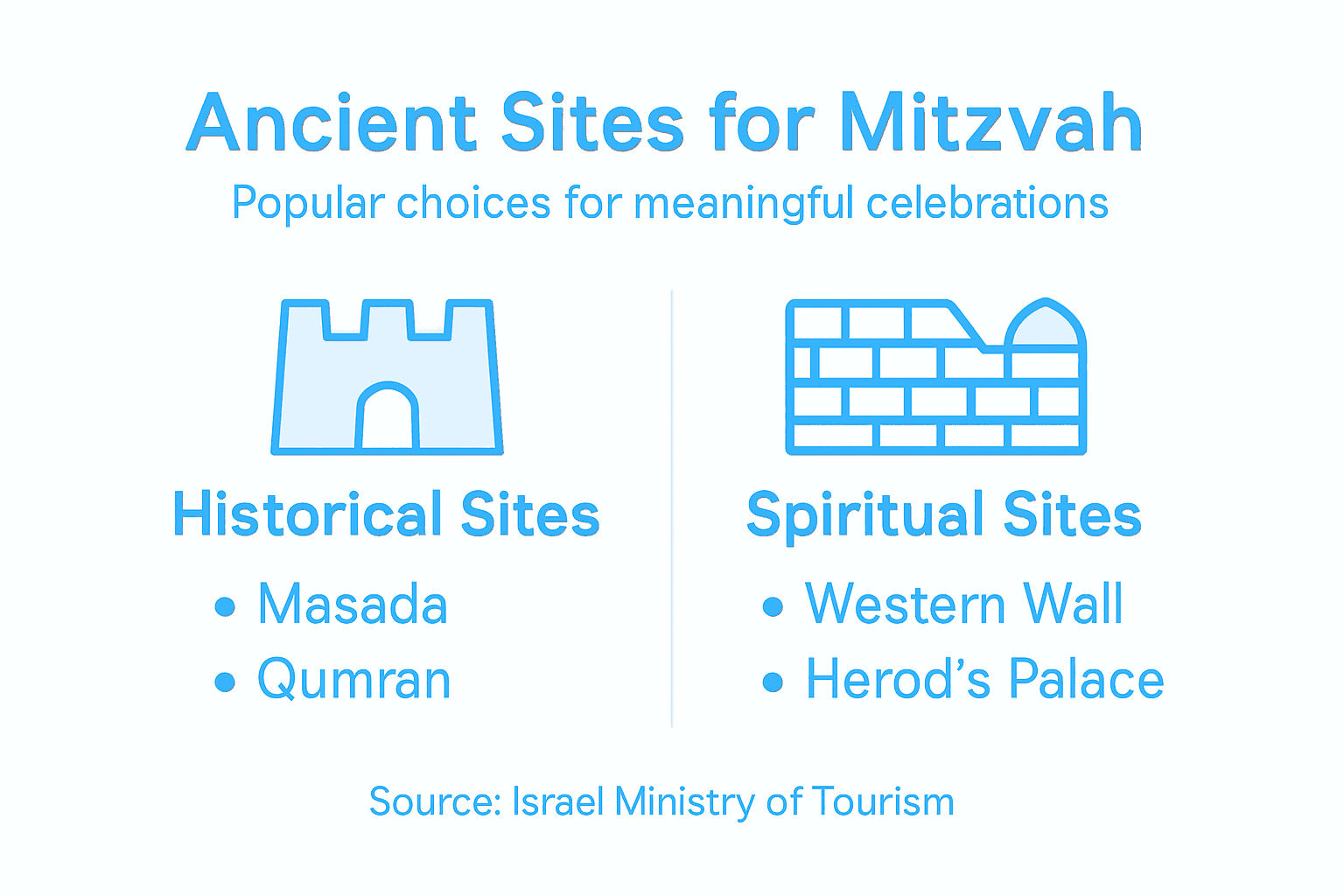
The most popular sites aren’t popular by accident. They’re meaningful because they represent major chapters in Jewish history—resilience, faith, scholarship, and survival. Your choice shapes what your child learns about their identity.
Here are the primary categories:
Here’s a quick comparison of popular ancient site options for mitzvah ceremonies in Israel:
Site Name | Unique Historical Value | Typical Ceremony Focus | Accessibility |
Masada | Symbol of Jewish resilience | Story of defiance & courage | Moderate hike |
Western Wall | Central place of Jewish prayer | Spiritual continuity & ritual | Fully accessible |
Qumran | Ancient scholarship center | Learning & preservation | Easy access |
Herod’s Palace | Roman-era grandeur | Heritage & royalty context | Moderate hike |
Archaeological Parks | Daily life of ancient Jews | Immersive experience | Varies |
Religious pilgrimage sites: The Western Wall, Temple Mount, Church of the Holy Sepulchre areas
Fortress locations: Masada, Herod’s Palace, ancient defense settlements
Scholarly centers: Qumran (Dead Sea Scrolls), ancient academies and study halls
Everyday life sites: Archaeological parks showing how ancient Jews actually lived
Diaspora connection points: Synagogues and burial sites from antiquity
Spiritual vs. Historical Emphasis
Some sites lean toward the spiritual. The Western Wall ceremony connects directly to ancient temple worship and draws crowds of pilgrims daily. Your child stands in a location of continuous Jewish prayer for nearly 2,000 years.
Other sites lean historical. Masada tells a story of Jewish resistance during Roman occupation. Qumran reveals how scholars hid and preserved sacred texts during crisis. Both are powerful—just different kinds of power.
The best site matches what you want your child to understand about themselves as a Jewish adult.
Consider what resonates with your family. Does your child connect more with stories of spiritual devotion or historical resilience? Intellectual achievement or communal survival? The ancient sites let you choose.
Size and Accessibility
Larger sites like Masada attract thousands of visitors daily. Smaller sites offer intimacy. Some locations require physical hiking or climbing; others are fully accessible. Your child’s comfort matters—they should be able to focus on meaning, not struggling with logistics.
Think about your family’s physical capabilities and how many guests you’re inviting. These practical details shape the experience.
Pro tip: Visit your chosen site in advance if possible, or review detailed video tours and accessibility information—this preparation ensures your ceremony flows smoothly and you can anticipate exactly how to make the experience meaningful for your child.
Spiritual and Cultural Benefits for Families
Celebrating a mitzvah at an ancient site transforms the experience from a single child’s milestone into a family event that reshapes everyone’s connection to Jewish identity. Your entire family gains something profound—not just memories, but a shared understanding of what it means to belong to an ancient people.
Bar and Bat Mitzvah ceremonies serve as spiritual and cultural milestones that strengthen bonds across generations. When your family stands together at Masada or the Western Wall, you’re not just attending a service. You’re transmitting identity.
Here’s what happens when you choose an ancient site:
Spiritual deepening: Your child experiences Jewish practice in the exact context where it developed
Family unity: Everyone participates in something larger than themselves
Cultural continuity: Grandparents, parents, and children connect across generations
Identity reinforcement: Your child understands their place in a 4,000-year story
Shared memory: The family builds a collective anchor point for Jewish identity
How This Shapes Your Child
Your 12-year-old becomes a Jewish adult during their mitzvah. But where that happens matters enormously. Reading Torah at a podium in a suburban synagogue is one thing. Reading it standing on ground where their ancestors stood is something else entirely.
Research shows mitzvah ceremonies foster cultural capital and prepare adolescents for broader social roles while reinforcing Jewish values. At ancient sites, this preparation feels tangible. Your child isn’t just learning about Jewish identity—they’re claiming it.
When a family celebrates together at an ancient site, they’re writing themselves into the same narrative their ancestors have been writing for millennia.
The Intergenerational Power
Grandparents see their grandchild take on adult responsibilities in the land they may have dreamed about. Parents witness their child connect to heritage in a way that textbooks never achieve. Younger siblings understand what their own future milestone will mean.
How a mitzvah trip brings families together extends far beyond the ceremony itself. The shared experience creates emotional bonds that last decades.
Every family member leaves with renewed understanding of their Jewish identity and their place in the family story.
Pro tip: Encourage extended family to participate in planning discussions before the trip—this investment in preparation deepens their emotional connection to the ceremony and ensures everyone understands why the chosen location matters for your family’s values.
Practical Considerations for Celebrating in Israel
Planning a mitzvah ceremony at an ancient site in Israel requires more logistics than a local celebration. You’re coordinating international travel, accommodations, local vendors, and a meaningful ceremony all at once. The good news? With proper planning, it flows smoothly.
Start by understanding what you’re managing. You’ll need to coordinate venue arrangements, guest logistics, catering, photography, and transportation across a foreign country. This sounds overwhelming until you break it into manageable pieces.
Timeline and Planning Structure
Most families begin planning 12 to 18 months before their ceremony. This timeline allows you to secure venue dates, arrange accommodations, and coordinate with international guests without rushing critical decisions.
Planning a Bar Mitzvah tour to Israel requires attention to venue suitability, guest accommodations, and ceremony personalization. Start by choosing your site, then work backward to arrange logistics around that location.
Key planning phases:
Months 12-9 before: Select your site and primary date; book accommodations
Months 8-6: Confirm ceremony logistics; arrange transportation and catering
Months 5-3: Handle final guest confirmations; coordinate with vendors
Months 2-0: Confirm all details; prepare family and guests for departure
Guest Logistics Matter
Your guests are traveling internationally. Some may never have visited Israel. International travel requires passports, understanding time zones, and managing jet lag across a large group.
Successful ceremonies account for guest comfort—when your guests feel taken care of, they can focus on celebrating with your child.
Consider what support your guests need. Will you provide ground transportation? Airport pickup? Information about local customs? These details transform a logistical burden into a welcoming experience.
Working With Local Providers
Coordinating with Israeli service providers—caterers, photographers, musicians, ceremony coordinators—requires clear communication and cultural awareness. They understand local regulations, timing, and what’s realistic for your chosen site.
Hiring experienced local planners simplifies this considerably. They navigate vendor relationships, manage timing at ancient sites, and solve logistical problems before they become problems.
To help your planning, here’s a summary of key steps and considerations for a mitzvah ceremony at an ancient site:
Phase | Recommended Action | Importance (Impact) |
Site Selection | Choose based on family values | Influences meaning & logistics |
Guest Preparation | Share travel info & customs | Ensures comfort and engagement |
Local Coordination | Hire planners & vendors | Streamlines logistics and schedule |
Budget Assessment | Estimate costs & adjust plans | Prevents unexpected financial strain |
Family Conversation | Discuss ceremony purpose | Deepens spiritual connection |
Budget Reality
Celebrating in Israel costs more than a domestic ceremony. International flights, accommodations for multiple nights, and local vendor coordination add expense. Budget 20 to 40 percent more than you would for a comparable domestic celebration.
But families consistently report the investment returns meaningful memories that justify the cost.
Pro tip: Book accommodations near your ceremony site to minimize daily travel time and allow guests to rest—this prevents fatigue from dominating the experience and ensures everyone arrives at the ceremony refreshed and emotionally present.
Common Misconceptions and Mistakes to Avoid
Many families approach a mitzvah at an ancient site with wonderful intentions but misunderstand what makes the experience truly meaningful. These misconceptions can shift focus away from what matters most—your child’s spiritual transition and family connection.
The biggest mistake? Treating the ceremony as a party first and a religious milestone second. When you’re planning in Israel, the logistics can overshadow the meaning. But logistics are the container. The meaning is what’s inside.
Here are the most common pitfalls:
Underestimating the spiritual component: The party matters less than the ritual
Skipping religious preparation: Your child needs to understand what they’re claiming
Coordinating poorly with local authorities: Ancient sites have specific religious and legal requirements
Neglecting the “why”: Your family should articulate why this location, this ceremony, this moment
Overscheduling: Cramming activities leaves no space for reflection
Misconception: It’s Primarily a Party
A Bar or Bat Mitzvah marks religious responsibility and spiritual maturity, not merely a social celebration. Your child is becoming accountable before God and their community. The party celebrates this transformation, but it doesn’t define it.
When you’re at an ancient site, this distinction becomes even more critical. You’re not renting a venue for an event. You’re facilitating a religious rite of passage at a sacred location.
If your child can’t articulate why they’re celebrating at this site and what becoming an adult Jew means to them, the logistics have overshadowed the purpose.
Misconception: Religious Study Can Wait
Your 12-year-old needs to understand Jewish law, Torah, and their place in the tradition. This isn’t busywork. When your child stands at Masada or the Western Wall, that knowledge transforms the moment from “cool location” to “profound spiritual experience.”
Adequate religious study, proper ceremony timing, and coordination with religious authorities prevent common pitfalls. Begin religious preparation immediately—don’t wait until months before the ceremony.
Misconception: The Ancient Site Carries the Meaning
The location matters. But it doesn’t carry meaning by itself. Your family’s intention, preparation, and presence create meaning. A ceremony at Masada without spiritual groundwork feels hollow. A ceremony with genuine preparation feels transformative.
The location amplifies what you bring to it.
Pro tip: Hold a family conversation six months before your trip to discuss why this site matters, what your child is claiming spiritually, and what you hope they’ll understand about their Jewish identity after the ceremony—this shared intention prevents logistics from dominating planning.
Make Your Child’s Bar or Bat Mitzvah Unforgettable at Israel’s Ancient Sites
The article highlights how celebrating a mitzvah at historic sites in Israel connects your child deeply to Jewish history and identity. Yet planning this meaningful journey can feel overwhelming with logistics, religious preparation, and ensuring family engagement. You want a celebration that goes beyond a party to truly ground your child spiritually and culturally.
At Bnei Mitzvah, we understand these challenges and transform them into an inspiring, stress-free experience. With over 20 years of expertise, we craft family Bar and Bat Mitzvah tours that blend visits to sacred locations like Masada and the Western Wall with spiritual coaching and immersive storytelling. Our trips are designed to strengthen family unity, reinforce cultural continuity, and make your child’s transition into adulthood profound and memorable.
Discover how to turn your child’s milestone into a once-in-a-lifetime journey that truly honors their role in Jewish heritage. Start planning today at Bnei Mitzvah and explore how our personalized tours address every detail from site selection to guest comfort. Visit Bnei Mitzvah now to create a mitzvah experience rooted in history, spirituality, and family connection that your whole family will cherish forever.
Frequently Asked Questions
Why should I consider celebrating a mitzvah at an ancient site?
Celebrating a mitzvah at an ancient site offers a profound connection to Jewish history and heritage. It transforms the ceremony from a mere rite of passage into a meaningful experience that links your child to thousands of years of Jewish continuity.
What types of ancient sites are suitable for a mitzvah ceremony?
Popular ancient sites for mitzvah ceremonies include Masada, the Western Wall, Qumran, and Herod’s Palace. Each site has unique historical and spiritual significance, allowing families to choose a location that resonates with their values and the messages they want to impart to their child.
How can I ensure my ceremony at an ancient site is meaningful?
To ensure a meaningful ceremony, involve family members in the planning process, understand the historical context of the chosen site, and discuss the significance of the milestone with your child. This preparation deepens the spiritual impact of the ceremony.
What practical considerations should I keep in mind when planning a mitzvah ceremony at an ancient site?
Plan ahead by selecting the site early, understanding guest logistics, and coordinating with local vendors and authorities. Aim for a timeline of 12 to 18 months to avoid last-minute stress and ensure that the ceremony runs smoothly.
Recommended
Comments