Apply 2 Weeks Ahead: Israel First Bar & Bat Mitzvah Tours for Families


In this article, “פארקי מים למשפחות ישראל” refers to custom family Bar and Bat Mitzvah tours in Israel, not leisure water parks. The most common ceremony sites are the Western Wall, Masada and the Dead Sea region, and the quickest way to start is to pick one of them and begin two tasks at once: apply for the Ministry of Tourism certificate at least two weeks before your event and open the planning conversation with a tour coordinator.
TL;DR:
Booking the Western Wall ceremony requires pre-registration and application for the Ministry of Tourism certificate at least two weeks prior, especially during peak travel periods.
Masada ceremonies need early reservations with the park, and sunrise slots are highly competitive, making advance planning essential.
Family stays should be chosen based on ceremony location, with Jerusalem for Western Wall events or Ein Gedi/Einat Bokek for Masada and Dead Sea celebrations.
A professional Israel-based planner can coordinate logistics, vendor bookings, and contingency plans to simplify multi-generational trips.
Travelers from the US must obtain an electronic travel authorization at least 72 hours before departure to enter Israel visa-free.
Table of Contents
Where families hold Bar and Bat Mitzvah ceremonies in Israel
Most families choose between three settings, and each one carries its own rules and rhythm.
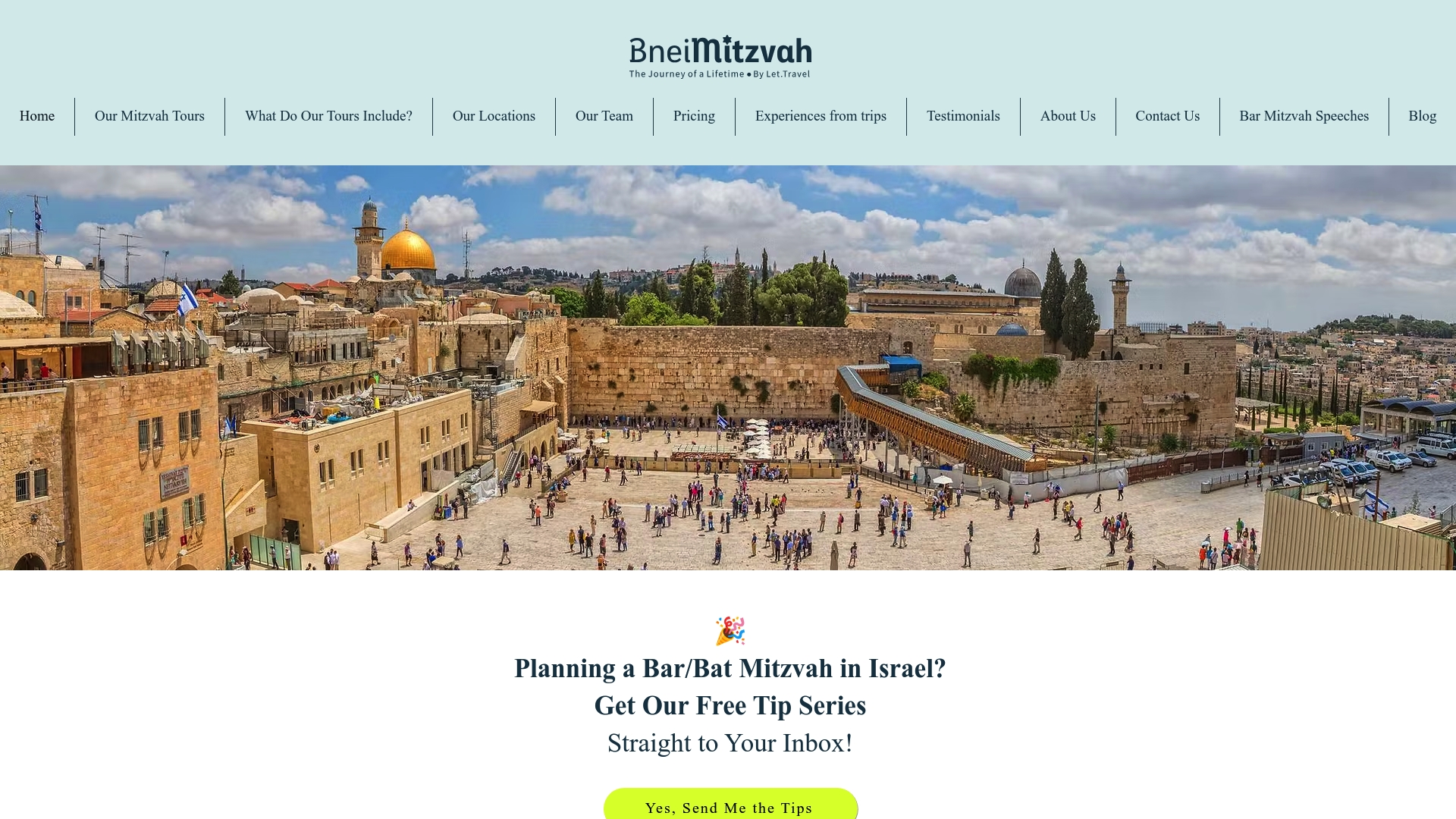
The Western Wall remains the most requested site. The Western Wall Heritage Foundation offers free logistical assistance and site guidance for Bar Mitzvah ceremonies, though pre-registration is recommended. Ceremonies are commonly held on Mondays, Thursdays, Rosh Chodesh and Chol Hamoed, with guides available roughly between 7:00 AM and 1:00 PM. Families choose their own prayer version and language support in advance, since Western Wall escorts assist with logistics but do not act as full officiants for a complete service.
Masada draws families who want drama and altitude. The Israel Nature and Parks Authority manages reservations for milestone ceremonies on the plateau, and groups reach the site by cable car or by climbing the Snake Path before sunrise. A sunrise ceremony at Masada followed by breakfast overlooking the Dead Sea has become one of the signature moments for families who want a physical challenge built into the celebration.
The Dead Sea and Ein Gedi cluster works well paired with Masada, since the drive between them is short and the combination gives families both a ceremony and a built-in relaxation day. Jerusalem’s Old City adds another layer: the Chain of Generations Center and guided walks through the Jewish Quarter let families extend the ceremony into a half-day of experiential education woven into a Jerusalem ceremony.
The Western Wall suits families who want staffed support and flexible scheduling on weekdays.
Masada suits families who want a physically memorable setting and don’t mind an early start.
The Dead Sea and Ein Gedi area suits families who want to pair the ceremony with a relaxation day.
Jerusalem’s Old City suits families who want historical depth layered onto the ceremony itself.
Pro Tip: Book your ceremony site before locking flights. Western Wall and Masada availability shifts around the Hebrew calendar, and your travel dates should follow the ceremony date, not the other way around.
Sample itineraries for a family Bar or Bat Mitzvah tour
A short trip and a long one both work, as long as the pacing matches your family’s energy and the children’s ages.
Two-day compact itinerary: Day one covers arrival, orientation and a Western Wall ceremony in the late morning, followed by lunch in the Jewish Quarter and a family celebration dinner. Day two adds a guided Old City walk and free time before departure.
Three-day standard itinerary: Day one is the ceremony, at the Western Wall or Masada depending on preference. Day two moves to the Dead Sea for floating and mud treatments. Day three closes with a celebration evening in Jerusalem or Tel Aviv, often with live music and a curated menu.
Four-day extended itinerary: This version opens with a sunrise Masada ceremony, follows with a full Dead Sea relaxation day, then either extends south toward Eilat for water-based family time or adds a private culinary workshop and an educational session on the family’s own heritage before a closing celebration.
Each template flexes around guest count, kosher catering requirements and accessibility needs. A group of 10 moves faster than a group of 40, and families with grandparents or young children often add a buffer day between the ceremony and the celebration evening so nobody arrives exhausted.
Pro Tip: If you’re combining a sunrise Masada ceremony with a Dead Sea day, schedule the Dead Sea stop for the same afternoon. Everyone is already dressed for heat, and the contrast between the climb and the float becomes part of the story your family tells for years. For more on sequencing this combination, see our guidance on Masada and Ein Gedi mitzvah days.
Logistics checklist and timing before you travel
The paperwork and reservations matter as much as the ceremony itself, and most of it has a clock attached.
Apply for the Ministry of Tourism Bar or Bat Mitzvah certificate at least two weeks before the event; this is the official tourist certificate families present as part of the celebration.
Register with the Western Wall Heritage Foundation ahead of your date. The Foundation provides guides and site logistics, but families still arrange their own prayer leader, language preference and any add-on activities like the Tunnels or Chain of Generations Center.
For a Masada ceremony, contact the park administration directly to confirm plateau access, cable car timing and any group-only arrangements.
Apply for your ETA‑IL electronic travel authorization at least 72 hours before departure; airlines verify it at check-in for visa-exempt travelers, including those from the United States.
Confirm Jerusalem transport and parking plans early, since Old City access during ceremony hours can be tight, and lock in your caterer and photographer with a written contingency plan for weather or schedule shifts.
Thousands of Jewish families choose the Western Wall for milestone ceremonies because it pairs spiritual significance with staffed logistical support, which is part of why its weekday ceremony slots fill up well ahead of peak Jewish holiday travel periods.
Your budget checklist should separate ceremony-only costs from reception costs: guest count drives catering and rental pricing, venue permissions vary by site, and gratuities for guides and drivers are worth building in from the start rather than adding at the end.
How to choose a Bar or Bat Mitzvah tour planner in Israel
The right planner saves you from chasing six separate vendors while also managing jet lag and a nervous twelve-year-old.
Check local presence and ceremony expertise. A planner based in Israel who has coordinated Western Wall and Masada ceremonies directly will know registration windows and site rules without guessing.
Ask about logistical scope. Confirm whether transport, kosher catering, photography and translation are included or arranged separately, and get the answer in writing.
Ask for a sample schedule. A planner who can show you a realistic hour-by-hour flow for your chosen venue is further along than one offering only a general outline.
Confirm on-site presence. Find out whether a coordinator will physically be with your family at the ceremony, not just reachable by phone.
Review the contract for contingency language. Weather delays, flight changes and venue timing shifts should all have a stated backup plan.
Pro Tip: Ask every prospective planner the same question: “What happens if our ceremony slot changes the week we arrive?” The answer tells you more about their logistics network than any brochure will.
Where families stay near ceremony and activity sites
Hotel choice shapes the whole trip more than most families expect, since the ceremony site, the celebration venue and the hotel should sit within a short drive of each other.
Families holding a Western Wall ceremony generally base themselves in Jerusalem, within walking distance or a short ride of the Old City, which keeps morning logistics simple and avoids early traffic. Families centering their trip on Masada and the Dead Sea often stay near Ein Bokek or Ein Gedi the night before, so the pre-dawn departure for a sunrise ceremony doesn’t start with a two-hour drive. Those extending toward Eilat add a final beach-resort stretch, which works well as a decompression stage after the ceremony and the more intensive touring days.

Family suites or connecting rooms matter more here than in typical leisure travel, since Bar and Bat Mitzvah trips usually include grandparents, siblings of different ages and sometimes cousins traveling together. Properties with flexible breakfast timing help when a family is recovering from a sunrise ceremony, and proximity to kosher dining options is worth checking before booking rather than after arrival. Spacing hotel nights around the ceremony date, rather than booking the cheapest available stretch, keeps the whole group rested for the moments that matter most.
Cultural customs worth preparing for in advance
A Bar or Bat Mitzvah ceremony in Israel carries traditions that are easy to miss if you’re planning from abroad.
Dress modestly at the Western Wall: shoulders and knees covered for everyone, and the plaza itself is divided into separate sections for men and women during prayer. Families should decide ahead of time who will carry the Torah portion, who will lead specific prayers, and which melody or nusach (prayer tradition) the family follows, since escorts at the Wall assist with logistics but don’t select these details for you. At Masada, the setting is less formal but still solemn for the ceremony portion itself, with the celebration energy typically arriving afterward at breakfast or during the Dead Sea leg of the day.
Gift-giving and speeches follow familiar patterns from American celebrations, but many families add a Hebrew-language element, whether a blessing read by a grandparent or a short passage the child has practiced with a tutor before the trip. Building in a rehearsal, even an informal one the evening before, reduces nerves considerably. Respecting Shabbat timing also matters if any part of the trip overlaps with Friday evening through Saturday evening, since transportation and certain site access change during that window.
Keeping kids of all ages engaged outside the ceremony
A ceremony lasts an hour or two. The rest of the trip is where younger siblings and restless teenagers either thrive or check out.
For younger children, short hands-on activities work better than long guided talks: a hike near Ein Gedi’s waterfalls, a camel ride in the Negev, or a hands-on cooking session breaks up the touring days. Teenagers, especially the Bar or Bat Mitzvah child’s own friends if they’re traveling along, tend to respond well to adventure elements like rappelling, jeep tours or night hikes, which our adventure learning trip ideas cover in more detail.

Mixing age groups works best when you build in flexibility rather than one fixed schedule for everyone. A split afternoon, where younger kids do a shorter activity while teens and adults tackle something more physical, then everyone reconvenes for dinner, tends to keep the whole group happier than forcing a single pace. Culinary workshops and market tours in Tel Aviv or Jerusalem also tend to land well across ages, since everyone participates at their own level and the result (usually dinner) gives the day a natural closing point.
Planning for meaning and flow: a planner’s perspective
The ceremony itself should feel solemn for a few minutes and then open into celebration. Families who rush that transition, cramming photos between prayer and lunch, tend to remember the stress more than the moment.
Golden hour light at Masada or over the Old City is worth building a buffer into your schedule for, rather than chasing it between other stops. A short rehearsal the night before, even just walking through who stands where, settles nerves more than any pep talk. And when grandparents are traveling, give them a seat early and a clear view. They often remember these two hours longer than anyone else in the family.
— Shay
Book a planning session for your family’s trip to Israel
Planning a Bar or Bat Mitzvah tour from the United States means coordinating a Ministry certificate, a ceremony site, hotels, caterers and a photographer, often while managing jet lag and a full family group. We handle that coordination directly, on the ground in Israel, so you arrive to a schedule that’s already been confirmed rather than one you’re still assembling.
Our relevant services include:
First trip planning session to map your dates, venue and budget before you book flights
Bar Mitzvah Tour and Bat Mitzvah Tours to Israel packages built around your chosen ceremony site
Bar/Bat Mitzvah Ceremony coordination covering registration, prayer logistics and on-site support
Bar Mitzvah Event Planning for the reception, catering and celebration evening
We manage vendor relationships, ceremony logistics and the small details that keep a multi-generational trip running smoothly. Schedule your first trip planning session to start building your family’s itinerary.
FAQ
How far in advance should we apply for the Bar Mitzvah certificate?
Apply for the Ministry of Tourism’s Bar or Bat Mitzvah certificate at least two weeks before your event. Applying earlier gives you room to adjust prayer-version or scheduling details if your ceremony date shifts.
Which days can we hold a ceremony at the Western Wall?
Ceremonies at the Western Wall are commonly held on Mondays, Thursdays, Rosh Chodesh and Chol Hamoed, with guides available for assistance roughly between 7:00 AM and 1:00 PM. Pre-registration with the Western Wall Heritage Foundation is recommended to secure your preferred slot.
Do we need a travel authorization to enter Israel?
Visitors from visa-exempt countries, including the United States, need an ETA-IL electronic travel authorization before departure. Applying at least 72 hours ahead is advised, since airlines verify it at check-in.
What does a tour planner actually handle versus what we arrange ourselves?
A planner typically coordinates transport, vendor bookings, on-site ceremony support and scheduling, while families still choose details like prayer version, language and who leads specific parts of the service. Our Bar Mitzvah Event Planning service covers the logistics side so your family can focus on the ceremony itself.
Can we hold a ceremony at Masada instead of the Western Wall?
Yes, Masada National Park permits milestone ceremonies in designated locations on the plateau, reached by cable car or the Snake Path. Reservations go through the park administration, and sunrise slots are especially popular, so booking early matters.
Sources
Official links and authoritative pages to confirm and book logistics
Before locking your itinerary, bookmark the primary sources that govern your dates and reservations. The Ministry of Tourism’s certificate service handles the official tourist paperwork, the Western Wall Heritage Foundation’s Bar Mitzvah pages cover registration and on-site guide assistance, and the Israel Nature and Parks Authority’s Masada reservation form governs plateau ceremony bookings. Checking all three directly, even if a planner is managing the details, keeps your family’s dates and expectations aligned with what each institution actually requires.
Recommended
Comments