The Role of Israeli Landscapes in Heritage and Identity

TL;DR:
Israeli landscapes are active cultural sites that encode Jewish memory, biblical stories, and national identity through deliberate design. They serve as educational tools and symbols, with restored sites like Neot Kedumim recreating biblical environments for experiential learning. The government invests heavily in preserving these landscapes, promoting them as vital national infrastructure and enriching cultural tourism through meaningful family programs.
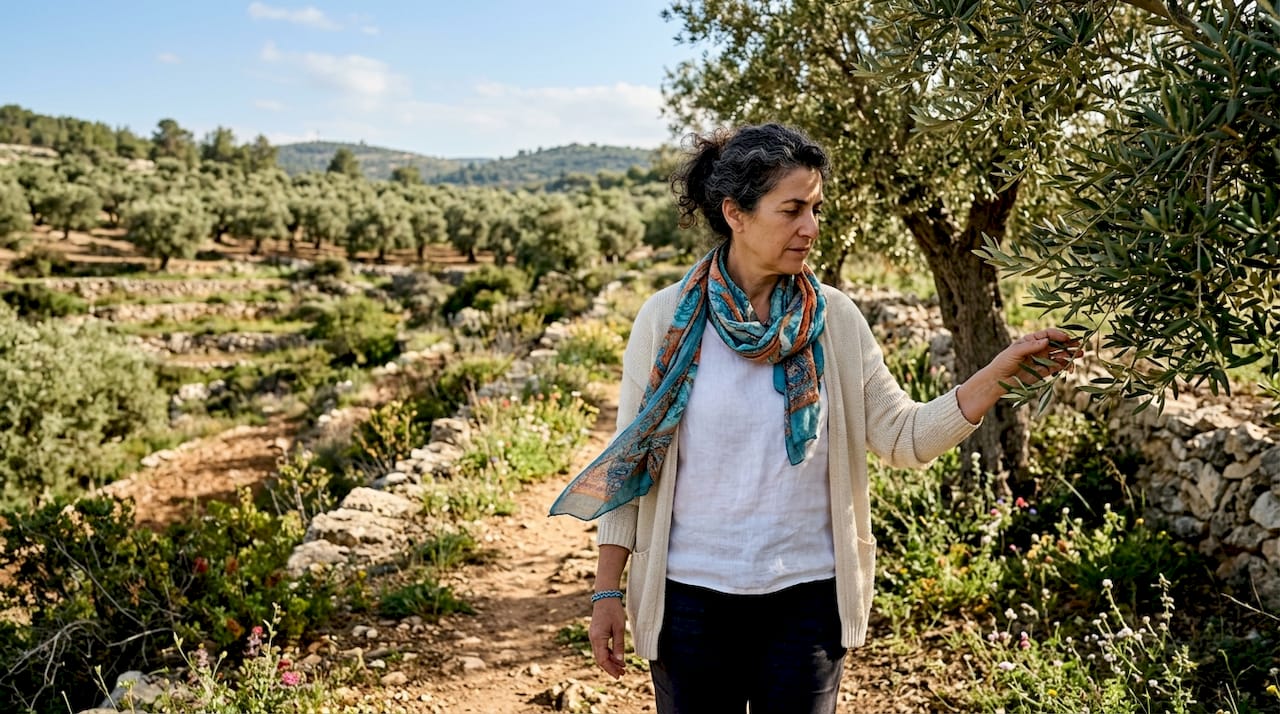
Israeli landscapes are not passive scenery. They are active heritage sites that encode Jewish memory, biblical narrative, and national identity into every hill, forest, and cultivated field. The role of Israeli landscapes in heritage is recognized formally by bodies including UNESCO and the Israel Nature and Parks Authority, which treat these spaces as cultural constructs as much as natural ones. From the restored terraces of Neot Kedumim to the forests planted as living memorials, the physical terrain of Israel functions as a textbook written in soil, stone, and water. Families planning a Bar or Bat Mitzvah trip to Israel will find that the land itself teaches.
How Israeli landscapes embody biblical and historical narratives
Israeli landscapes are deliberately engineered to reflect scripture and history, not simply preserved as they were found. The clearest example is Neot Kedumim, a biblical nature reserve covering 2,500 dunams that recreates the agricultural terraces, native flora, and water systems described in the Hebrew Bible. It received the Israel Prize in 1994, and its roots trace back to a vision formed in 1925. That timeline matters: the project predates the modern state, showing how landscape restoration was central to Jewish cultural revival from the very beginning.
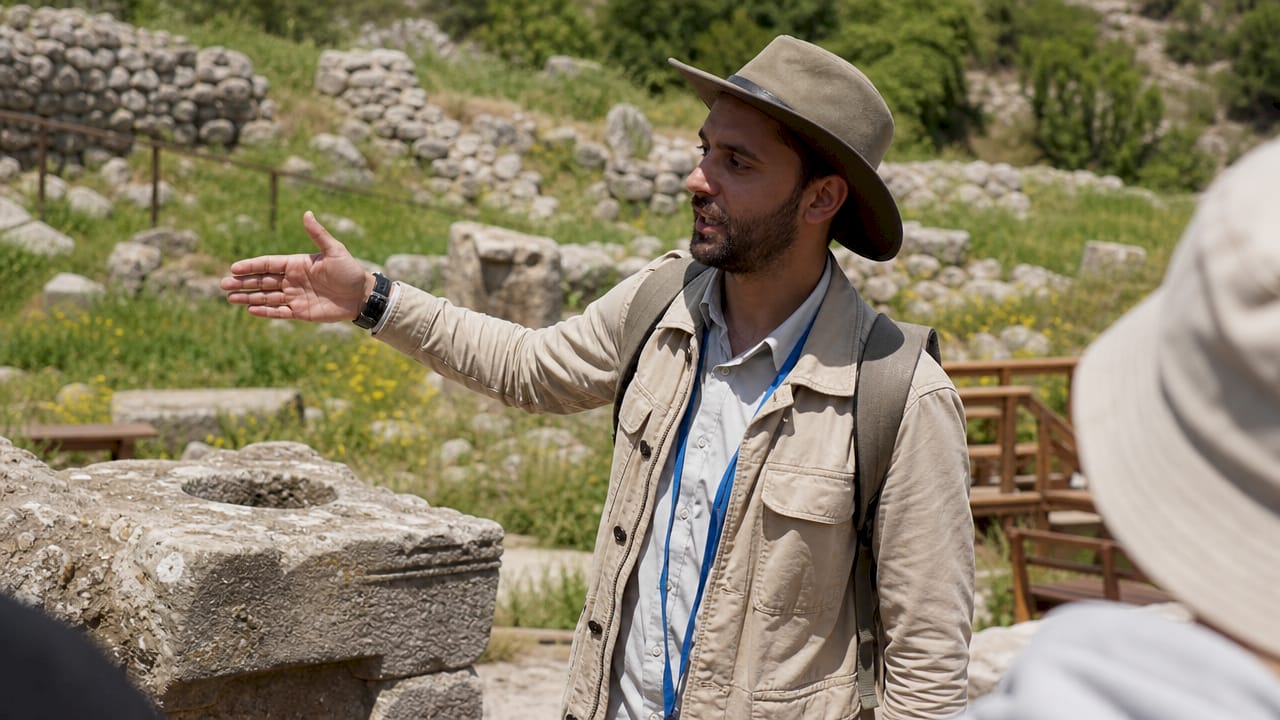
The reserve does something no museum can. It places visitors inside the text. Walking through reconstructed olive groves or ancient threshing floors turns abstract biblical references into physical experiences. This approach, sometimes called “living heritage,” treats the land as a pedagogical tool rather than a relic.
Desert agriculture adds another layer to this story. The concept of “making the desert bloom” reflects a deep cultural imagination that links water management and land transformation to national identity. Modern irrigation infrastructure in the Negev and Arava regions carries symbolic weight alongside its practical function. The land’s productivity becomes proof of cultural continuity.
Key features of landscape heritage sites in Israel:
Restored agricultural terraces that mirror systems described in biblical texts
Native flora replanting programs that revive species mentioned in scripture
Ancient water infrastructure reconstructed to demonstrate historical land use
Interpretive walking routes that connect physical features to specific biblical passages
Pro Tip: When visiting heritage landscapes with your family, ask your guide to connect each site to a specific Torah portion. The physical setting makes the text far more memorable for children preparing for their Bar or Bat Mitzvah.
Why do Israeli landscapes carry such deep symbolic meaning?
Israeli landscape design and art treat the physical terrain as an ideological canvas where memory, longing, and cultural narrative are expressed through deliberate choices about what to plant, preserve, and restore. This is not accidental. Over the past century, artists and planners have consistently used the land to reinforce Jewish identity.
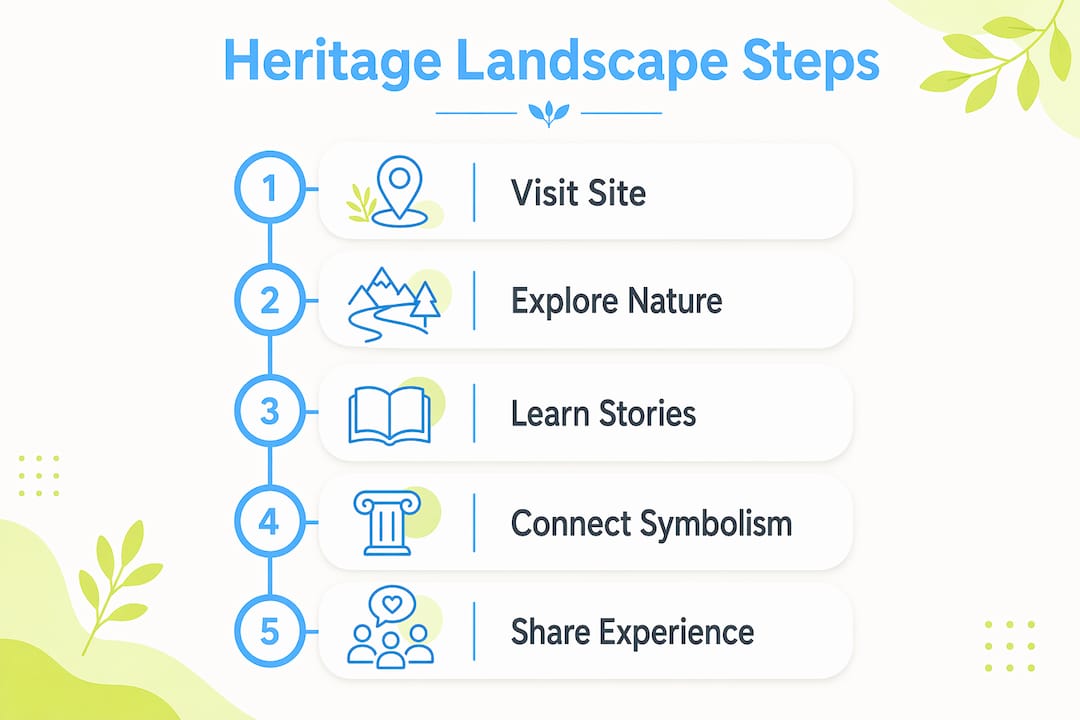
Three symbolic systems stand out:
Forest planting as memorial. Israeli forests function as environmental memorials, linking collective memory to physical space through the ritual of tree planting. Planting a tree in Israel is not gardening. It is an act of commemoration, connecting the planter to the land and to those who came before.
Date palms as national symbols. The date palm carries multi-layered meaning in Jewish art and landscape design, representing victory, continuity, and connection to Zion. Zionist immigrants revived date palm cultivation deliberately, making the tree both an agricultural product and a living symbol.
Desert transformation as identity statement. The narrative of making arid land productive expresses cultural mastery and belonging. It says: we were here before, and we have returned.
“The landscape is not a backdrop to Jewish history. It is a participant in it.” This understanding shapes how heritage sites are designed, interpreted, and experienced across Israel.
The Israel Folktale Archives, recognized by UNESCO, holds over 21,000 folktales from 70 ethnic groups. Many of these stories are set in specific landscapes, showing how terrain and narrative are inseparable in Jewish cultural memory. The land gives the stories a home, and the stories give the land meaning.
Pro Tip: Look for date palms at heritage sites and ask your guide about their symbolic history. For children approaching their Bar or Bat Mitzvah, understanding this symbolism adds a layer of meaning to the entire trip.
What is the government doing to protect heritage landscapes?
Landscape preservation in Israel is now a formal government priority backed by significant funding. In may 2026, the Israeli government allocated 250 million NIS for the restoration and preservation of heritage and antiquity sites, with a focus on the West Bank, Jordan Valley, and Judean Desert. An additional 150 million NIS was set aside for an emergency heritage plan. That total investment signals that cultural landscapes are treated as national infrastructure, not optional amenities.
Region | Focus Area | Investment Type |
Judean Desert | Archaeological site restoration | Primary budget allocation |
Jordan Valley | Antiquity preservation | Primary budget allocation |
West Bank | Heritage site protection | Emergency plan funding |
Judea and Samaria | Administrative reform | Legislative transition |
Heritage site management in Judea and Samaria is also undergoing major legislative changes, shifting toward civilian control and stronger protection of archaeological assets. These reforms affect which narratives are presented at sites and how access is managed. The practical result is that more sites are becoming accessible to families and educational groups.
Public engagement is the missing piece in many preservation programs. Funding and legislation protect sites physically, but lived experience keeps heritage alive. Tours, school programs, and family visits turn preserved landscapes into active cultural spaces rather than frozen exhibits.
How do landscape heritage sites shape cultural and tourism experiences?
Heritage landscapes in Israel are most powerful when they are experienced rather than observed. Educational programs built around Israeli landmarks and landscape sites give families and students a direct connection to Jewish history that no classroom can replicate.
Several practical formats make this work:
Biblical landscape tours that walk participants through reconstructed agricultural and natural settings, connecting each feature to a specific text or historical event
Bar and Bat Mitzvah programs that use heritage sites as the backdrop for coming-of-age ceremonies, grounding the milestone in the physical history of the Jewish people
Environmental tours that combine ecological education with cultural storytelling, showing how land use and identity have evolved together
Guided narrative walks at sites like Neot Kedumim, where trained guides connect flora, terrain, and water systems to biblical passages in real time
The significance of Israeli landscapes for experiential learning is hard to overstate. When a child stands on an ancient threshing floor or touches a date palm that was planted by early Zionist settlers, the connection to heritage becomes personal. That personal connection is what makes the memory last.
Key Takeaways
Israeli landscapes are intentional cultural constructs that encode Jewish memory, biblical narrative, and national identity through deliberate design, preservation, and symbolism.
Point | Details |
Landscapes as heritage sites | Israeli terrain is actively shaped to reflect biblical texts and historical events, not simply preserved. |
Neot Kedumim as a model | This 2,500-dunam reserve shows how physical space can function as a living educational tool for Jewish heritage. |
Symbolic planting traditions | Forests and date palms carry deliberate memorial and ideological meaning in Israeli culture. |
Government investment | A 250 million NIS allocation in 2026 confirms that cultural landscapes are treated as national infrastructure. |
Experiential learning | Heritage landscape tours, including Bar and Bat Mitzvah programs, create lasting personal connections to Jewish identity. |
What I’ve learned from watching families encounter these landscapes
I have spent years watching families arrive at Israeli heritage sites with a general sense of history and leave with something far more personal. The moment that changes people is almost always physical. It is standing in a reconstructed olive grove, or seeing a forest planted in memory of the Holocaust, or touching the bark of a date palm that someone planted decades ago as an act of faith.
What strikes me most is how deliberate all of it is. These landscapes were not preserved by accident. They were built, restored, and maintained by people who understood that memory needs a physical address. The forest is not just trees. The terraced hillside is not just agriculture. Every element carries a decision made by someone who wanted future generations to feel connected to this land.
The challenge I see now is balance. Increased tourism and political complexity around certain sites create real tension between access and preservation. Some of the most meaningful landscapes are also the most contested. Families who visit with a knowledgeable guide navigate this well. Those who arrive without context often miss the deeper story entirely.
My honest view: the landscape is the most underused teaching tool in Jewish education. A child who has stood at Neot Kedumim and connected a Torah portion to a physical place will remember that connection for life. That is worth more than any classroom lesson.
— Shay
Plan a heritage tour with Bneimitzvahtrip
Bneimitzvahtrip has spent over 20 years building tours that treat Israeli landscapes as the centerpiece of the Bar and Bat Mitzvah experience, not just a backdrop. Every itinerary combines visits to significant Jewish heritage sites with cultural education, storytelling, and meaningful ceremonies that connect your family to the land and its history.
The team at Bneimitzvahtrip designs each trip so that the landscape does the teaching. From biblical nature reserves to ancient hilltop sites, your family will experience Jewish history as a living, physical reality. Browse the full range of planned tours in Israel and find the program that fits your family’s story.
FAQ
What is the role of Israeli landscapes in heritage?
Israeli landscapes function as active heritage sites that encode Jewish memory, biblical narrative, and national identity through deliberate design and preservation. They are cultural constructs as much as natural ones.
What is Neot Kedumim and why does it matter?
Neot Kedumim is a 2,500-dunam biblical nature reserve that recreates ancient agricultural terraces and native flora described in the Hebrew Bible. It received the Israel Prize in 1994 and serves as a model for living heritage education.
How do Israeli forests connect to cultural memory?
Israeli forests function as environmental memorials, with tree planting serving as a ritualized act of commemoration that links people to the land and to collective Jewish history.
What heritage preservation funding exists in Israel?
The Israeli government allocated 250 million NIS in may 2026 for heritage and antiquity site restoration, focusing on the West Bank, Jordan Valley, and Judean Desert, with an additional 150 million NIS for an emergency heritage plan.
How do Bar and Bat Mitzvah tours use landscape heritage?
Bar and Bat Mitzvah programs at heritage landscape sites use the physical terrain to ground coming-of-age ceremonies in Jewish history, creating personal connections to tradition that last well beyond the trip.
Recommended
Comments