Experiential Travel: Creating Bar Mitzvah Memories

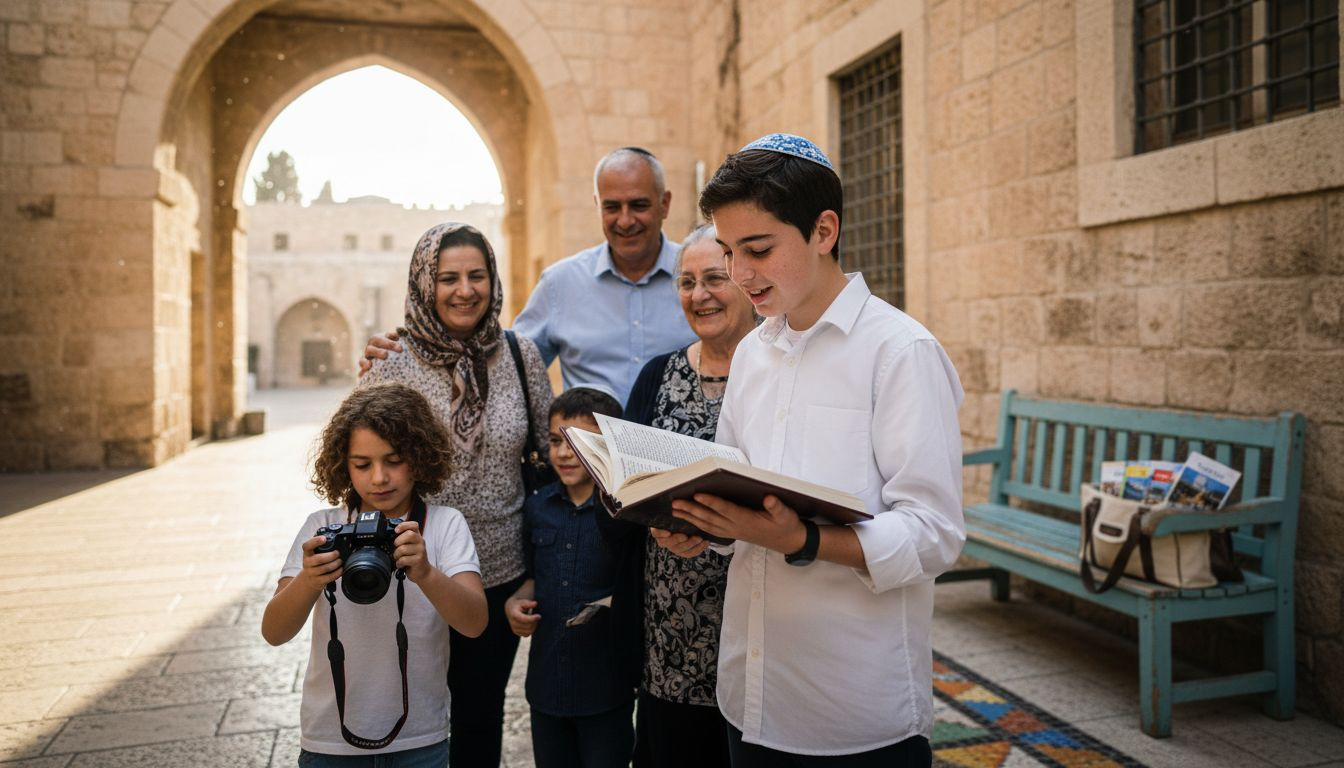
Every parent faces that moment when they want their child’s Bar or Bat Mitzvah trip to Israel to be more than a photo album of landmarks. For families seeking active participation and deep cultural understanding, experiential travel offers a path beyond standard tourism. Your child does more than observe—they engage with Israeli history, local communities, and hands-on adventures that build lifelong memories and genuine connections to their Jewish heritage.
Table of Contents
Key Takeaways
Point | Details |
Experiential Travel Foster Active Engagement | It emphasizes participation and interaction with local culture, leading to deeper relationships and personal growth. |
Customize Your Family Experience | Tailor the trip to reflect your child’s interests and learning style for a more meaningful journey. |
Balance Structure and Flexibility | Allow for spontaneous moments alongside planned activities to create genuine experiences and lasting memories. |
Avoid Overscheduling | Focus on fewer, high-impact activities to ensure your child can fully engage and process their experiences. |
What Experiential Travel Really Means
Experiential travel isn’t a fancy buzzword for “more expensive vacation.” It’s fundamentally different from the traditional tourist experience where you passively observe a destination from a bus window.
Experiential travel centers on active participation. You’re not just seeing Israel—you’re engaging with it. This means interacting with local communities, learning directly from guides with deep historical knowledge, and participating in meaningful activities rather than checking off a list of famous sites.
The core distinction matters, especially for a Bar or Bat Mitzvah celebration. Immersion travel focuses on active and meaningful participation with culture, people, history, and environment. Your child isn’t a spectator; they’re a participant in their own spiritual and cultural journey.
How It Differs From Traditional Tourism
Traditional tourism often means:
Visiting popular landmarks quickly
Following scripted itineraries
Limited interaction with local culture
Forgetting details within weeks
Experiential travel means:
Spending meaningful time in fewer locations
Creating your own narrative and discovering connections
Building relationships with local people and guides
Creating memories that last decades
For a Bar or Bat Mitzvah trip, this distinction shapes everything. Your family experiences experience design focused on narrative meaning-making and participant engagement rather than passive consumption. Your 12-year-old might spend an afternoon learning about Israeli archaeology from an expert, then help excavate at a site, then share a meal with the archaeologist’s family.
Here is a comparison of experiential travel and traditional tourism approaches:
Aspect | Experiential Travel | Traditional Tourism |
Engagement Level | Active participation in activities | Mostly passive observation |
Cultural Connection | Deep interaction with locals | Minimal local interaction |
Learning Style | Hands-on and immersive | Guided, scripted, surface-level |
Long-Term Impact | Strong, lasting memories and skills | Quick visits, often soon forgotten |
Why This Matters for Your Family
A Bar or Bat Mitzvah marks a spiritual milestone. The destination becomes part of that milestone, not just a backdrop. When your child participates in authentic experiences, they develop genuine understanding and emotional connections to their heritage.
Experiential travel transforms a family vacation into a transformative journey where every moment builds deeper meaning and cultural understanding.
Your family creates shared stories you’ll discuss for years. The memories become woven into your child’s identity and their understanding of their place in the Jewish community worldwide.
Pro tip: Before your trip, discuss with your child what specific experiences interest them most—whether that’s archaeology, food culture, nature, or local communities—so your guide can personalize activities around their genuine curiosities rather than a standard itinerary.
Types of Experiential Travel for Families
Not all experiential travel looks the same. Different types cater to different interests, learning styles, and family dynamics. Understanding your options helps you choose what resonates most with your child and family values.
Cultural and Historical Immersion
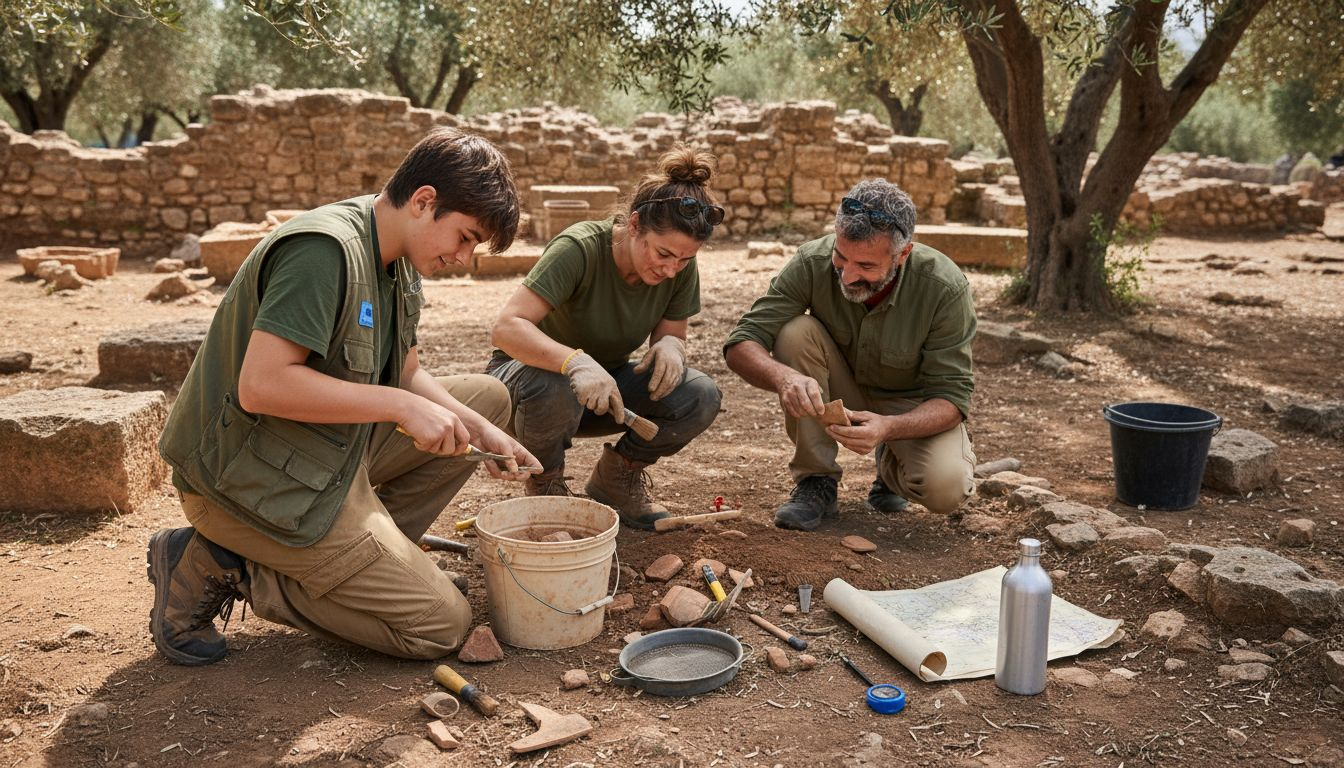
This type focuses on connecting your child directly with their heritage and historical significance. For a Bar or Bat Mitzvah trip to Israel, cultural immersion means exploring archaeological sites, visiting historical landmarks, and learning from local experts who bring history alive.
Your family participates in hands-on activities rather than passive observation. Your child might explore ancient ruins with an archaeologist, visit Holocaust memorials with a historian, or spend time in neighborhoods where Israelis live daily life.
Service-Learning and Community Engagement
Service-learning programs build meaningful connections between your family and local communities. Your child contributes to something larger than themselves while developing empathy and global perspective.
For a Mitzvah trip, this might include:
Volunteering at local schools or community centers
Working on environmental conservation projects
Supporting Israeli nonprofit organizations aligned with your values
Building relationships with local families and young people
Meaningful service experiences transform your child’s understanding of responsibility and connection to the wider Jewish community.
Adventure and Nature-Based Learning
Adventure activities blend exploration with outdoor learning. Israel offers diverse landscapes—deserts, mountains, coastlines—perfect for hiking, rock climbing, kayaking, and water activities.
These experiences build confidence, resilience, and appreciation for natural environments. Your family creates memories through shared challenges and discoveries in stunning settings.
Arts, Cuisine, and Creative Expression
Some families prioritize artistic and culinary experiences. Your child might take cooking classes with Israeli chefs, explore traditional crafts, visit art galleries, or participate in music and theater programs.
These experiences celebrate Israeli creativity and allow your child to express themselves artistically while learning cultural traditions.
Customized Family Experiences
The best trips combine multiple types tailored to your family’s specific interests. Your child’s personality, passions, and learning style should shape the itinerary.
When selecting how to choose Mitzvah destinations, consider what genuinely excites your child—not just what sounds impressive to relatives back home.
Pro tip: Ask your child directly what experiences excite them most, then ensure at least 50% of your itinerary reflects those genuine interests rather than filling time with standard tourist activities.
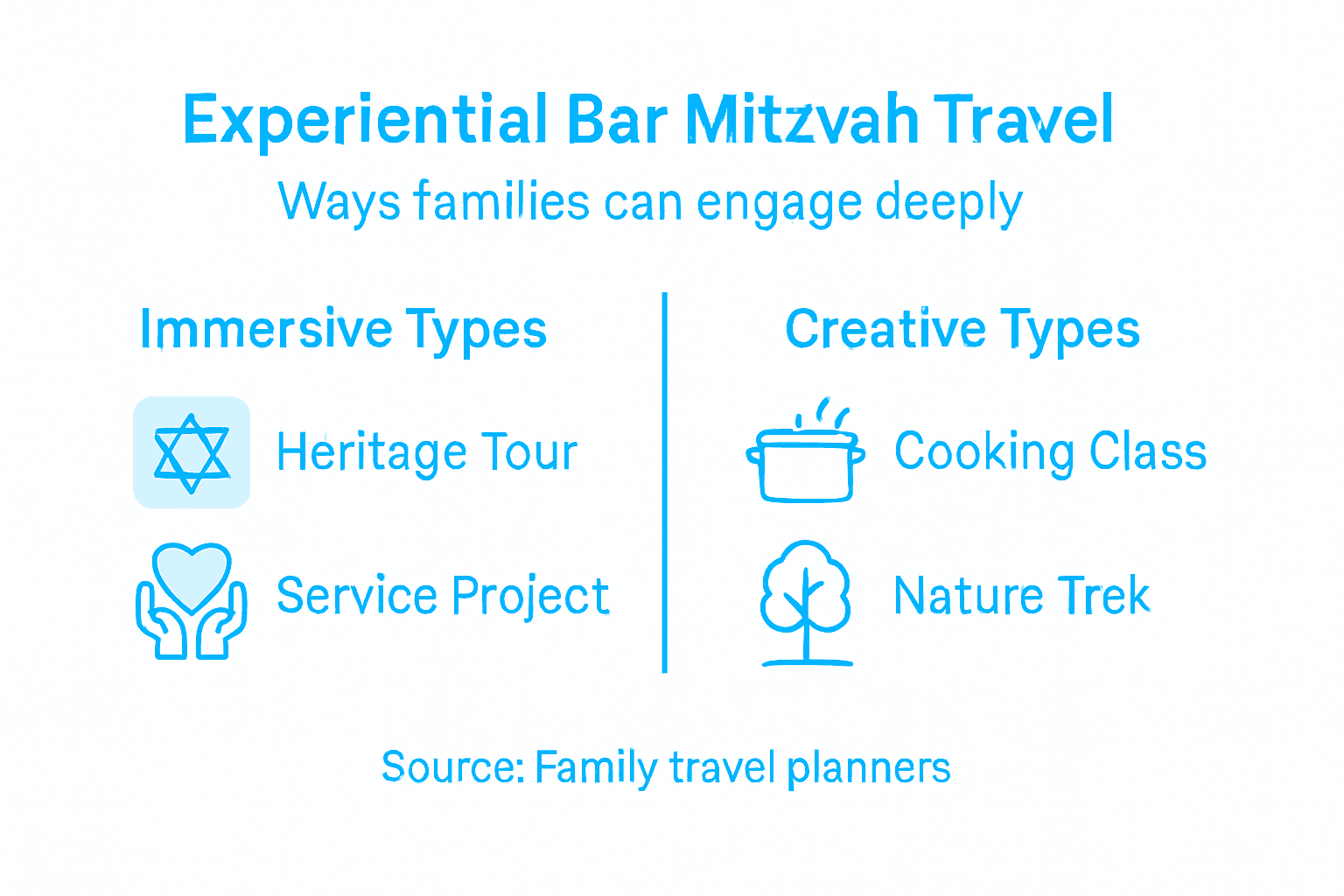
To help you select the best experience for your family, here is a summary of experiential travel types and their focus:
Experience Type | Main Focus | Example Activity |
Cultural Immersion | Exploring heritage and history | Archaeological digs with experts |
Service-Learning | Community engagement and empathy | Volunteering at schools |
Adventure/Nature | Outdoor exploration and growth | Hiking desert trails |
Arts & Cuisine | Creative expression | Cooking classes with chefs |
Customized Itineraries | Personal passion-driven journeys | Crafting unique, mixed activities |
Key Elements of a Meaningful Bar Mitzvah Trip
A meaningful Bar or Bat Mitzvah trip requires more than booking flights and hotels. The most memorable trips balance spiritual significance, family bonding, authentic experiences, and personal growth for your child.
Spiritual and Educational Foundation
Your trip should connect your child to their faith in tangible ways. This means studying Torah beforehand, visiting spiritually significant locations, and creating moments for reflection about what the Mitzvah milestone means.
Proper preparation including Torah study creates a foundation for deeper understanding. Your child grasps the historical and spiritual context of places they visit, transforming sightseeing into meaningful pilgrimage.
Personalization Reflecting Your Child’s Identity
The best trips feel custom-built for your child, not cookie-cutter itineraries. Consider their interests, personality, and what resonates with their developing identity as a Jewish adult.
Personalized experiences might include:
Activities matching their passions (archaeology, music, nature, social justice)
Time with Israeli peers their age
Opportunities to contribute through service
Meaningful one-on-one moments with mentors or guides
A trip designed around your child’s genuine interests creates lasting memories and deeper spiritual connection than any standard itinerary.
Family Bonding and Shared Experience
This milestone celebrates your entire family, not just your child. The trip should create opportunities for genuine connection away from daily distractions and routines.
Families remember shared challenges, discoveries, and conversations more than they remember attractions visited. Walking through the desert together, cooking with local families, or discussing what you witnessed creates bonds that strengthen family identity.
Balance of Structure and Flexibility
Your itinerary needs framework, but how a mitzvah trip can bring the family together depends on allowing space for unexpected moments. Spontaneous conversations, unplanned discoveries, and flexible pacing transform trips from busy schedules into genuine experiences.
Authentic Cultural Engagement
Meaningful trips involve real interaction with Israeli culture and people, not sanitized tourist versions. Your family eats where locals eat, works alongside community members, and builds genuine relationships.
Authenticity builds respect and understanding that superficial tourism cannot achieve.
Pro tip: Choose one or two activities you’ll do slowly and deeply rather than packing six activities into each day; your child will remember the depth of one meaningful experience far longer than the breadth of rushed attractions.
Benefits Over Traditional Group Travel
Traditional group tours often feel like herding families through predetermined checkpoints. Everyone follows the same schedule, sees the same sites, and moves on before meaningful connections form. Experiential travel flips this model entirely.
Active Participation Over Passive Observation
In standard group tours, your child watches things happen. In experiential travel, they participate in what happens. Active participation through immersive experiences builds critical thinking, resilience, and genuine understanding far beyond passive sightseeing.
Your child might excavate artifacts alongside archaeologists, learn cooking techniques directly from Israeli chefs, or engage in meaningful service work. They’re not just observing history—they’re making it through their own participation.
Personalization for Your Family’s Unique Needs
Large group tours accommodate the lowest common denominator. Experiential trips customize experiences around your child’s interests, learning style, and spiritual goals.
This flexibility means:
Your introverted child gets smaller group settings rather than crowded tours
Your athlete daughter climbs mountains rather than sitting in buses
Your socially conscious son participates in service projects that matter to him
Your family moves at your own pace, not on someone else’s schedule
Deeper Cultural and Spiritual Connection
Authentic engagement with local culture enhances personal growth and cultural appreciation through immersive experiences. Your family builds genuine relationships with Israeli people, not just wave from tour buses.
These connections transform abstract concepts into human relationships. Your child understands what it means to be Israeli through friendships, not textbooks.
Lasting Memories and Personal Development
Group tours produce photographs. Experiential trips produce transformation. Your child develops confidence, resilience, and global perspective through meaningful challenges and discoveries.
Families remember the conversations, shared struggles, and genuine moments far longer than they remember attractions checked off a list.
Flexibility and Spontaneity
Fixed group itineraries eliminate the unexpected magic that makes trips memorable. Experiential travel leaves room for spontaneous discoveries, extended conversations, and moments that cannot be scheduled.
Maybe your family discovers a neighborhood cafe and spends hours chatting with locals. Maybe your child develops an unexpected passion during a service project. These unplanned moments become the stories you tell for decades.
Pro tip: When planning your experiential trip, prioritize having a knowledgeable local guide over multiple attractions; one guide who knows your family’s interests creates far more meaningful experiences than rushing through standard tourist sites.
Common Mistakes to Avoid When Planning
Most families approach Bar Mitzvah trip planning with enthusiasm but limited experience. That combination often leads to predictable mistakes that undermine the entire experience. Knowing what to avoid saves time, money, and regret.
Overscheduling and Activity Overload
The biggest mistake parents make is packing too many activities into limited days. Your child ends up exhausted, cranky, and unable to process or enjoy what they’re experiencing.
Overloading schedules with too many activities leads to fatigue and diminishes the quality of each experience. Two meaningful activities per day beats six rushed activities that blur together into an exhausting blur.
Your child remembers depth, not breadth. One morning spent excavating at an archaeological site creates lasting impact. Racing through six tourist attractions creates noise and fatigue.
Waiting Too Long to Plan
Late planning restricts what’s possible. Popular guides book months ahead, specialized experiences fill quickly, and you end up with leftover options.
Start planning 8-12 months before your target trip date. This timeline gives you flexibility, better pricing, and access to the experiences you actually want.
Skipping the Reflection and Downtime
Your child needs time to process emotions, journal, rest, and simply be present. Constant activity prevents the internal work that transforms trips into lasting spiritual growth.
Meaningful travel includes quiet moments for reflection as much as scheduled activities.
Insufficient Research About Cultural and Logistical Details
Inadequate cultural and logistical research leads to mismatched expectations and missed opportunities. Understanding Israeli culture, climate, customs, and practical details prevents surprises that derail your plans.
Research includes:
Cultural norms and respectful behavior
Climate and appropriate clothing
Dietary considerations and food customs
Transportation logistics and timing
Holiday schedules that affect attractions
Selecting Experiences That Don’t Align With Your Child’s Goals
Don’t book trendy experiences because they look impressive. Choose activities that genuinely connect to your child’s interests, learning style, and spiritual development.
A cookie-cutter itinerary serves no one. Your child’s Mitzvah trip should reflect their identity, not somebody else’s Instagram aesthetic.
Poor Financial Planning
Underbudgeting creates stress and limits quality. Overestimating sends you searching for padding activities. Clear financial planning from the start prevents both problems.
Account for flights, accommodations, guides, activities, meals, transportation, gratuities, and contingencies. Build in 10-15% buffer for unexpected opportunities.
Pro tip: Create a written itinerary with clear timing, built-in downtime between activities, and flexibility for spontaneous moments; share it with your family so everyone understands the rhythm and can mentally prepare for the experience.
Transform Your Child’s Bar Mitzvah Journey with Experiential Travel
Experiential travel transforms traditional tourism into deeply meaningful participation. If you want your family to build lasting memories through active engagement in Israel’s culture, history, and community your search ends here. At Bnei Mitzvah we specialize in creating personalized Bar and Bat Mitzvah trips that focus on cultural immersion, meaningful service, and family bonding. Avoid the common pitfalls of overscheduling or generic tours and give your child a uniquely immersive experience that celebrates their heritage.
Why settle for a checklist visit when your child can connect spiritually and emotionally with Israel. Explore how our expert guides tailor every detail to your family’s passions and growth goals. Discover the difference a truly experiential approach makes in shaping your child’s identity and creating shared family stories. Visit Bnei Mitzvah Trips to start planning a trip that will inspire and resonate for years. Don’t wait watch your child engage, learn, and celebrate in a way that only a thoughtfully designed Bar Mitzvah trip can offer.
Frequently Asked Questions
What is experiential travel, and how does it differ from traditional tourism?
Experiential travel focuses on active participation and engagement with local culture and communities, rather than just passive sightseeing. It emphasizes meaningful experiences that create lasting memories.
How can experiential travel enhance a Bar Mitzvah trip?
Experiential travel allows your child to engage deeply with their heritage, creating authentic connections and personal growth during this significant spiritual milestone.
What types of activities are included in experiential travel for a Bar Mitzvah?
Activities can vary widely, including cultural and historical immersion, service-learning projects, adventure-based outings, and arts or culinary experiences, all tailored to your child’s interests.
What are some common mistakes to avoid when planning an experiential travel trip for a Bar Mitzvah?
Common mistakes include overscheduling activities, waiting too long to plan, neglecting downtime for reflection, and selecting experiences that don’t align with your child’s interests or goals.
Recommended
Comments