Meaning of Israeli Landmarks for Bar Mitzvah Families

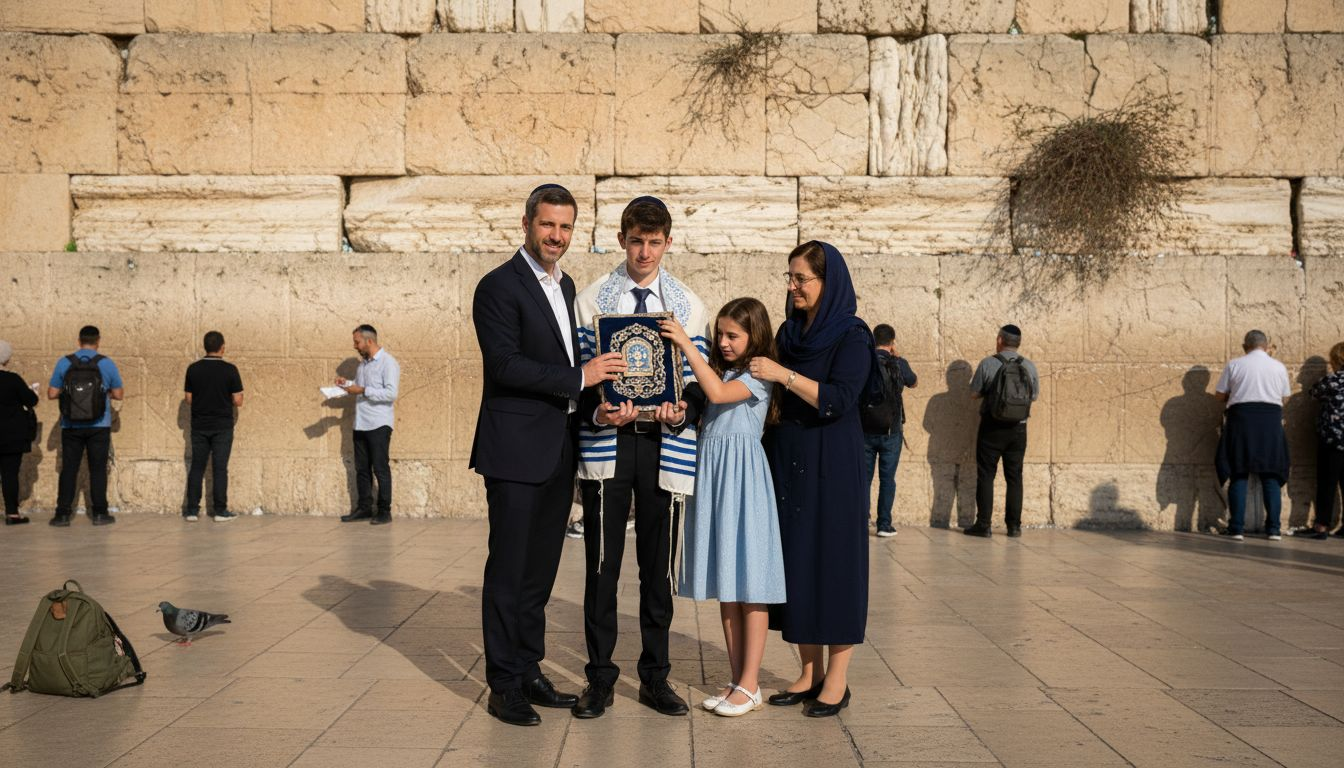
Every parent faces that moment when they want their child’s Bar or Bat Mitzvah to mean more than just a party. Celebrating in Israel lets your family step into history where the stories of Jewish perseverance, faith, and community come alive. By connecting at Israeli landmarks rich in spiritual identity and ancestral roots, your child gains an experience that deepens their sense of belonging and makes this once-in-a-lifetime milestone truly unforgettable.
Table of Contents
Key Takeaways
Point | Details |
Connection to Heritage | Israeli landmarks deepen your child’s understanding of Jewish identity and cultural continuity during Bar or Bat Mitzvah ceremonies. |
Significance of Place | The physical presence at historical sites enhances emotional and intellectual engagement compared to traditional classroom experiences. |
Choosing Meaningful Locations | Select landmarks that resonate with your family’s unique heritage, values, and spiritual journey to create lasting memories. |
Planning Essentials | Start planning early and prioritize meaningful spiritual experiences to balance the ceremony’s significance with celebratory elements. |
What Makes Israeli Landmarks Meaningful
Israeli landmarks carry weight far beyond their ancient stones and historical facts. For your family, these sites represent connection to ancestral roots, spiritual identity, and cultural continuity that transforms a Bar or Bat Mitzvah celebration into something profoundly personal.
These locations aren’t simply destinations on a map. They embody stories that shaped your family’s people and continue shaping how your child understands their place in Jewish history. When your 12-year-old stands at these sites, they’re not just visiting—they’re stepping into narratives that have defined Jewish identity across generations.
How Landmarks Shape Identity and Belonging
Israeli landmarks and collective memory work together to create understanding of what it means to be Jewish. These sites reinforce a sense of belonging to something larger than your individual family—a continuous chain of tradition and faith stretching back centuries.
Your child’s Bar or Bat Mitzvah marks their formal entry into this community. Standing at these landmark locations during such a significant milestone strengthens that connection in ways no classroom lesson can replicate.
Why Your Family’s Story Matters at These Places
When you choose to celebrate at Israeli landmarks, you’re making a statement about what matters to your family. Consider these reasons families connect with these sites:
Spiritual awakening: Children experience their faith in tangible, physical spaces rather than abstract concepts
Generational continuity: Your child walks the same paths their ancestors may have walked centuries ago
Living history: These aren’t museum exhibits—they’re active spaces where faith is still practiced today
Cultural pride: Your child gains confidence in their Jewish identity through direct experience
Family heritage: You’re creating memories at places that represent your family’s deepest roots
The Power of Place in Coming-of-Age Moments
The ways Israeli heritage shapes Jewish identity education demonstrates that location itself teaches lessons words cannot. Your child learns differently when standing at a historic site versus reading about it in a textbook.
The physical presence of a landmark—its age, its stones, its surroundings—creates emotional and intellectual engagement that sticks with them into adulthood. This is why Bar and Bat Mitzvah celebrations at these sites leave lasting impressions.
What Makes a Landmark Meaningful to Your Family
Meaningfulness isn’t one-size-fits-all. Different families connect with different sites based on their own histories and values. Some families feel strongest at Western Wall. Others find profound meaning at Ein Gedi or Masada.
The most meaningful landmarks are those that resonate with your family’s specific heritage, values, and spiritual journey—not necessarily the most famous sites.
Your role as a parent is identifying which landmarks align with your family’s story. Does your family have roots in a specific region of Israel? Are you drawn to biblical sites, or do you prefer sites from more recent history? Your answers guide which locations will feel most significant to your child.
Pro tip: Before booking your family’s Bar or Bat Mitzvah trip, sit down with your child and discuss which Israeli stories and values matter most to your family, then select landmarks that directly connect to those priorities rather than trying to visit everything.
Different Types of Israeli Landmarks
Israeli landmarks fall into distinct categories, each offering different experiences for your family’s Bar or Bat Mitzvah celebration. Understanding these types helps you choose locations that align with your family’s interests and your child’s spiritual journey.
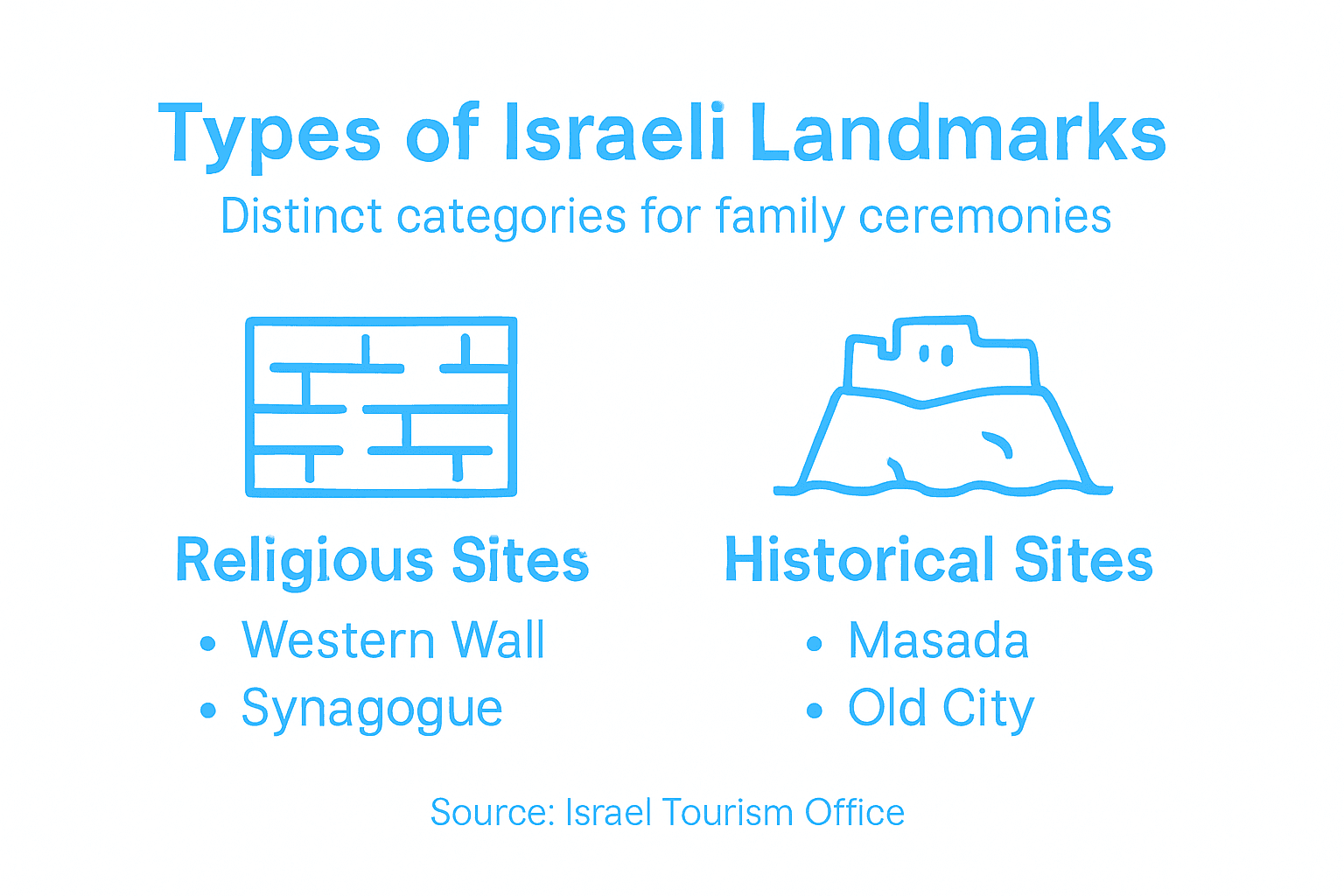
Israel’s diversity means there’s no single “landmark experience.” Some sites are ancient and archaeological. Others are actively religious spaces. Many combine both. Knowing what type appeals to your family makes planning easier and more meaningful.
Religious and Spiritual Sites
These landmarks connect directly to Jewish faith and practice. Your child will experience living spirituality rather than historical artifacts in a museum.
Religious sites include:
Western Wall: The holiest site in Judaism, where your child can participate in traditional prayers
Temple Mount: Sacred to multiple faiths; offers perspective on shared history
Synagogues: Active places of worship showing how Jewish communities live today
Yad Vashem: Holocaust remembrance center; profound spiritual and historical importance
Religious landmarks often allow your child to actually participate in traditions—lighting candles, wearing tefillin, or saying prayers—rather than just observing.
Ancient Archaeological Sites
UNESCO World Heritage Sites in Israel include ancient cities and ruins spanning millennia of human civilization. These locations bring biblical and historical narratives to life in tangible ways.
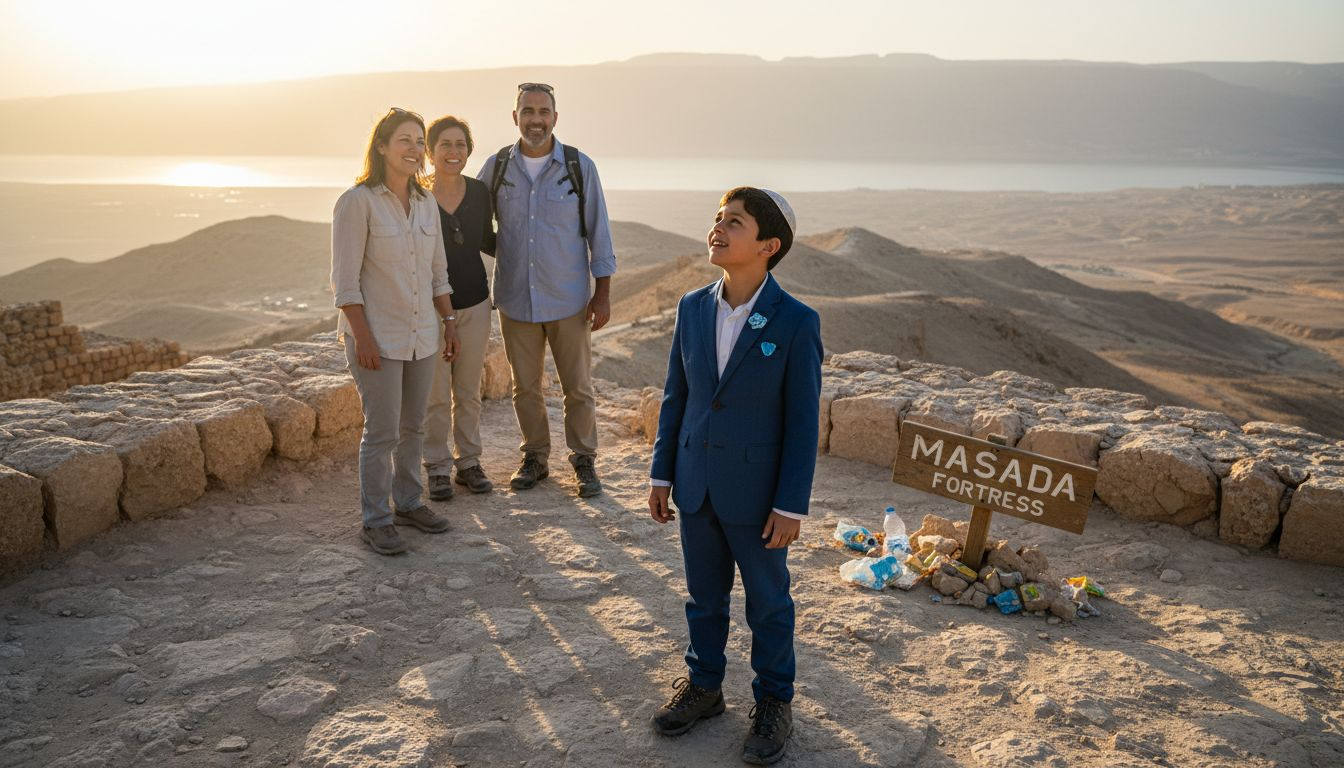
Your child can walk the same paths as their ancestors, touch 2,000-year-old stones, and understand Jewish history through direct physical experience. Masada, Caesarea, and Ein Gedi represent different periods and tell different stories about Jewish resilience and culture.
Natural Landmarks
Israel’s geography itself holds spiritual meaning. The Dead Sea, Negev Desert, and Galilee region offer beauty and natural significance beyond typical tourist attractions.
Many families find unexpected spiritual connection in natural spaces. Standing at the lowest point on Earth at the Dead Sea, or watching sunrise over the desert, creates moments of awe that deepen your child’s sense of connection to the land.
Mixed Heritage Sites
Many Israeli landmarks combine multiple elements—archaeological ruins with natural beauty, religious significance with historical importance. These complex sites offer layered experiences.
The richest Bar Mitzvah moments often happen at sites that blend history, spirituality, and natural beauty in ways that speak to your specific family.
For example, Ein Gedi combines a biblical oasis with natural springs and ancient ruins. Your family can hike, explore history, and reflect spiritually in one location.
Below is a summary of landmark types and the learning experiences they typically offer:
Landmark Type | Primary Focus | Experience Style |
Religious/Spiritual | Faith and rituals | Participatory |
Archaeological | Ancient Jewish history | Exploratory |
Natural | Connection with land | Reflective |
Mixed Heritage | Overlapping influences | Multi-sensory |
Choosing the Right Mix for Your Family
Your family doesn’t need to visit every type. Consider what resonates:
Families seeking spiritual depth prioritize religious sites
History enthusiasts gravitate toward archaeological locations
Nature lovers connect with natural landmarks
Comprehensive learners benefit from mixed heritage sites
Why celebrating at ancient sites matters shows how different landmark types create distinct emotional and educational experiences for young people during this pivotal moment.
Pro tip: Choose a mix of 3-4 landmark types rather than focusing on just one category—this gives your child varied perspectives on Jewish identity and ensures the trip engages different learning styles and interests.
Spiritual and Cultural Significance for Families
When your family visits Israeli landmarks during a Bar or Bat Mitzvah celebration, you’re not just taking a trip—you’re engaging in a deeply spiritual and cultural practice. These sites connect your child to thousands of years of Jewish tradition and community identity.
Jewish spiritual heritage embedded in Israeli landmarks transforms ordinary locations into powerful spaces for reflection and growth. Your child experiences their faith in tangible, meaningful ways that shape their understanding of identity.
Why These Sites Matter Beyond History
Israeli landmarks are living centers of religious practice and communal gathering, not museum exhibits frozen in time. When your family prays at the Western Wall or gathers at a synagogue, you’re participating in the same traditions your ancestors practiced.
This active participation—rather than passive observation—creates deep spiritual connection. Your child understands Judaism not as abstract concepts but as lived practice within a specific place and community.
Creating Family Spiritual Bonds
Sacred sites in Israel strengthen family spiritual bonds through shared reflection and prayer. Standing together at meaningful locations creates moments that families remember and reference for decades.
Your child’s Bar or Bat Mitzvah ceremony at or near a landmark intensifies this experience. The combination of personal milestone and sacred location creates emotional resonance that stays with them into adulthood.
Cultural Continuity Across Generations
These visits strengthen cultural continuity by connecting your child to their heritage. They see themselves as part of an unbroken chain of Jewish identity stretching back millennia.
This perspective shifts how young people view themselves. They’re not isolated individuals but members of a continuous community with shared values, history, and purpose.
What Families Experience at These Sites
Families report specific spiritual and cultural moments that transform their trip:
Prayer and reflection: Quiet moments of personal connection to faith
Generational conversations: Parents and grandparents sharing family history while standing at historic locations
Cultural pride: Children recognizing themselves as part of something larger and meaningful
Shared traditions: Families lighting candles, saying blessings, or celebrating together in sacred spaces
Emotional breakthroughs: Moments when your child suddenly understands their identity more deeply
Making Spiritual Experiences Authentic for Your Child
Not every family practices Judaism identically. What matters is choosing landmarks that align with your family’s specific spiritual values and beliefs.
The most meaningful experiences happen when families choose landmarks that genuinely resonate with their personal beliefs, not just famous sites everyone visits.
Some families prioritize Orthodox religious spaces. Others prefer reformed or conservative settings. Some focus on secular historical sites with cultural significance. Your family’s authenticity creates the most powerful spiritual experiences.
Pro tip: Before your trip, discuss with your child which aspects of Jewish identity matter most to your family, then plan landmark visits that directly address those values—this ensures the spiritual experiences feel personally meaningful rather than obligatory.
Popular Sites for Bar and Bat Mitzvah Tours
Israel offers specific landmarks that have become destination choices for Bar and Bat Mitzvah celebrations. These sites combine spiritual significance, historical importance, and practical ceremony locations that make them ideal for family trips.
Each popular site offers different experiences and energy. Your family’s choice depends on what resonates with your values and what type of celebration you envision for your child.
Western Wall: The Ultimate Jewish Landmark
The Western Wall remains the most recognized destination for Bar and Bat Mitzvah ceremonies in Israel. It’s the holiest site in Judaism and the only surviving wall from the Second Temple.
Families travel from around the world to celebrate here because the spiritual intensity is unmatched. Your child’s ceremony at this location carries profound weight and creates memories that define their coming-of-age experience.
Jerusalem’s Old City: Layers of History
Jerusalem’s Old City combines multiple sacred sites within walkable distance. The mix of Jewish, Christian, and Muslim holy places creates a unique educational experience for your family.
Your child gains perspective on shared history and interconnected traditions while experiencing Jewish heritage at its epicenter. The atmospheric streets, ancient walls, and spiritual energy make ceremonies here extraordinarily meaningful.
Masada: Symbol of Jewish Perseverance
Masada stands as an ancient fortress symbolizing Jewish resilience and determination. Popular Bat Mitzvah sites like Masada offer dramatic natural settings combined with historical significance.
Many families choose sunrise ceremonies here. Standing on these ancient heights while celebrating your child’s transition into Jewish adulthood creates powerful, unforgettable moments.
Dead Sea: Unique Natural Experience
The Dead Sea offers something different—a natural wonder rather than built structures. Its extreme salinity, lowest-point-on-earth location, and stark beauty create an unusual backdrop for ceremonies.
Families appreciate the combination of spiritual reflection and natural splendor. The Dead Sea provides intimate ceremony settings away from crowds while maintaining profound significance.
Safed: Mystical and Spiritual Connection
Safed, nestled in the northern mountains, radiates spiritual energy rooted in Kabbalistic tradition. The ancient synagogues, artistic community, and peaceful atmosphere attract families seeking deeper mystical connection.
Your child experiences Judaism’s contemplative side here. Ceremonies in Safed feel intimate and introspective, perfect for families emphasizing spiritual growth.
Here is a quick comparison of popular Israeli Bar/Bat Mitzvah sites to help you evaluate which best fits your family’s goals:
Site | Main Attraction | Ceremony Atmosphere | Unique Benefit |
Western Wall | Ancient spiritual significance | Formal and historic | Deepest Jewish connection |
Masada | Ancient fortress and ruins | Dramatic, sunrise options | Symbol of resilience |
Dead Sea | Natural wonder | Scenic, reflective | Lowest point on Earth |
Safed | Mystical art and spirituality | Intimate and artsy | Kabbalistic tradition |
Jerusalem’s Old City | Multiple sacred sites | Diverse, educational | Multi-faith perspectives |
Choosing Your Family’s Site
Each location offers distinct advantages. Consider what matters most:
Spiritual intensity: Western Wall or Safed
Historical depth: Jerusalem’s Old City
Symbolic meaning: Masada
Natural beauty: Dead Sea
Combination experiences: Jerusalem offers multiple sites nearby
The best site for your family’s celebration is the one where your child feels genuine spiritual connection, not necessarily the most famous location.
Pro tip: Visit your top 2-3 potential sites virtually through online tours and photos with your child before deciding, then discuss which location creates the emotional response your family wants for this milestone celebration.
Common Mistakes and Planning Essentials
Planning a Bar or Bat Mitzvah trip to Israel requires thoughtful preparation. Many families rush into decisions or focus on the wrong elements, resulting in experiences that feel hollow or stressful rather than meaningful.
Understanding common pitfalls helps you avoid them. Your advance planning directly affects whether this celebration becomes a cherished family memory or a logistical nightmare.
Mistake 1: Starting Planning Too Late
Waiting until a few months before your trip creates unnecessary pressure. Popular venues, vendors, and guides book 12-18 months in advance, especially during peak seasons.
Early planning gives you access to better options and more affordable rates. It also allows time to thoughtfully integrate meaningful elements rather than scrambling last-minute.
Mistake 2: Overemphasizing the Party
Balancing ceremony significance with celebration details ensures your event feels authentic rather than superficial. Some families focus entirely on entertainment and food, losing the spiritual core of Bar or Bat Mitzvah.
Your child’s coming-of-age deserves ceremony and reflection first. The celebration should amplify meaning, not overshadow it.
Mistake 3: Not Understanding Ceremony Significance
Some parents treat Bar or Bat Mitzvah as just another party. This misses the profound spiritual transition your child experiences. Understanding what this milestone means in Jewish tradition helps you design an experience that honors it.
Talk with your rabbi or Jewish educator about your family’s values before planning. Let this guide your venue choices and activities.
Critical Planning Essentials
Successful Bar and Bat Mitzvah trips require attention to specific elements:
Venue selection: Book 12-18 months in advance for your preferred location
Religious arrangements: Coordinate with local rabbis if planning ceremonial elements
Guest management: Finalize your guest list early to arrange travel and accommodations
Meaningful components: Identify ceremonies, prayers, or traditions that matter to your family
Mitzvah projects: Choose service activities that align with your child’s values and interests
Professional support: Hire experienced guides who understand Bar/Bat Mitzvah significance
Timeline for Planning Success
Folowing this timeline prevents last-minute scrambling:
18 months before: Choose your preferred location and dates.
12-15 months before: Book accommodations and arrange religious logistics with local contacts.
9-12 months before: Finalize guest list and send preliminary information.
6-9 months before: Book all vendors, activities, and transportation.
3-6 months before: Handle detailed itinerary planning and dietary restrictions.
1-3 months before: Confirm all arrangements and brief your family on expectations.
Avoiding the “Just a Party” Trap
Meaningful celebrations include intentional spiritual moments alongside celebration. This balance honors both your child’s maturation and the joy of family gathering.
The most memorable Bar and Bat Mitzvah experiences combine sacred ceremony with joyful celebration, not one or the other.
Pro tip: Create a planning timeline starting 15-18 months before your trip, assign specific decisions to specific months, and prioritize booking venues and arranging religious elements before entertainment and party details.
Transform Your Child’s Bar or Bat Mitzvah with Meaningful Israeli Landmarks
The journey to finding the perfect blend of spiritual depth, cultural pride, and family heritage for your child’s Bar or Bat Mitzvah can feel overwhelming. You want to avoid an experience that feels like “just a party” and instead create lasting memories rooted in authentic Jewish traditions at meaningful Israeli landmarks. At Bnei Mitzvah, we understand that selecting sites that resonate with your family’s unique story is critical to making this milestone deeply personal and unforgettable.
Our expert team combines over 20 years of experience to craft trips tailored to your family’s spiritual values and interests. Whether your child feels drawn to the Western Wall’s profound spirituality, the ancient strength of Masada, or the serene beauty of the Dead Sea, we design celebrations that connect your family to living history and inspire heartfelt reflection. We guide you through every step, from choosing the right landmark mix to ensuring your child’s ceremony echoes genuine meaning and cultural continuity.
Ready to create a Bar or Bat Mitzvah experience infused with meaning and joy at Israel’s most inspiring landmarks Visit Family Bar Mitzvah Tours to Israel to explore how we make your vision a reality. Start planning now to secure your preferred dates and locations and take this unforgettable step toward your family’s spiritual journey.
Frequently Asked Questions
What is the significance of Israeli landmarks for Bar Mitzvah families?
Israeli landmarks hold deep meaning for Bar Mitzvah families as they connect children to their Jewish heritage, cultural identity, and spiritual roots.
How do Israeli landmarks enhance the Bar Mitzvah experience?
Visiting these landmarks creates meaningful moments that reinforce a child’s understanding of their faith, history, and belonging within the Jewish community.
What types of Israeli landmarks are relevant for Bar Mitzvah celebrations?
Israel offers various landmark types including religious sites, ancient archaeological locations, natural wonders, and mixed heritage sites, each providing unique experiences.
How can families choose the right landmark for their child’s Bar or Bat Mitzvah?
Families should consider their specific heritage, values, and spiritual journey when selecting landmarks, ensuring the chosen sites resonate personally with their own story.
Recommended
Comments