Inclusive Israel tours for memorable Bar/Bat Mitzvah trips

TL;DR:
True inclusivity ensures every participant feels welcomed, engaged, and cared for beyond just physical access.
Early planning of logistics, accommodations, and activities tailored to diverse needs is essential for a successful trip.
Emotional engagement, flexibility, and respecting individual dignity create memorable and meaningful Bar/Bat Mitzvah experiences.
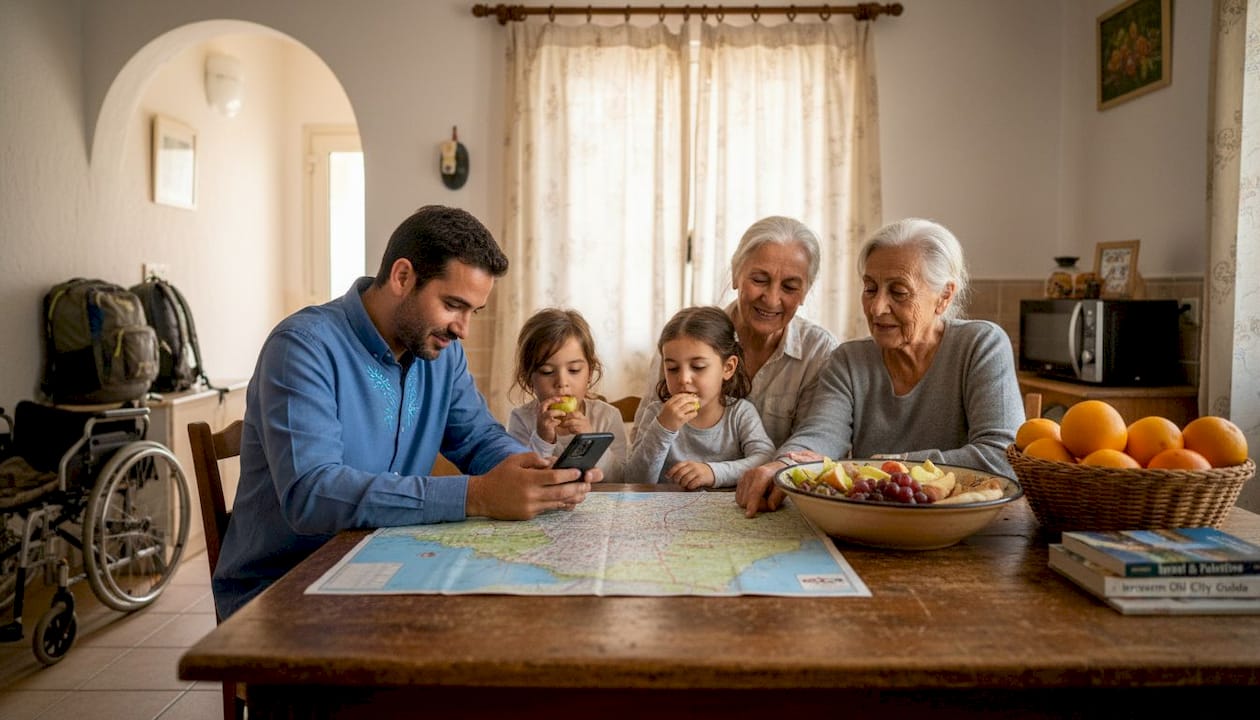
Planning a Bar or Bat Mitzvah trip to Israel with the whole family is one of the most meaningful things you can do. But it comes with a real challenge: your group likely includes grandparents, young siblings, teens, and relatives with different physical abilities, dietary needs, and religious backgrounds. Getting everyone engaged and feeling valued takes more than good intentions. It takes a structured plan. This guide walks you through exactly how to build an inclusive, memorable Israel experience for your child’s milestone celebration.
Table of Contents
Key Takeaways
Point | Details |
Prioritize accessibility | Accessible accommodations and transportation ensure everyone is comfortable and can participate. |
Plan for all ages | A mix of learning, culture, and leisure engages both younger and older family members. |
Balance structure and flexibility | Leave room for downtime and spontaneous family moments alongside structured activities. |
Gather everyone’s input | Consulting every participant helps avoid common planning pitfalls and ensures a meaningful experience. |
Understanding what makes a tour inclusive
Inclusivity in the context of a Bar/Bat Mitzvah family trip means far more than just checking a box. It means every person in your group, regardless of age, mobility, background, or belief, feels welcomed, engaged, and cared for throughout the entire journey.
When families think about inclusivity, they often focus only on physical access. But true inclusion also covers:
Religious accommodation: Kosher meals, Shabbat schedules, and prayer access
Age-appropriate activities: Experiences that work for a five-year-old and an eighty-year-old
Physical accessibility: Ramps, elevators, shaded rest areas, and pacing flexibility
Cultural sensitivity: Respecting different levels of Jewish observance within the same family
Dietary needs: Vegan, gluten-free, or allergen-specific menus alongside kosher options
Group activities that unite multiple generations are the backbone of inclusive experiential travel in Israel. Think cooking classes at a Jerusalem market, storytelling sessions at archaeological sites, or a family Havdalah ceremony overlooking the Old City.
“Inclusive tours allow families to share rich experiences regardless of age or ability.”
Accessibility and respect are not optional add-ons. They are the foundation your entire itinerary should be built on. When every guest feels considered, the celebration becomes truly communal. That shared sense of belonging is what families carry home long after the trip ends.
Planning ahead: Key elements for an inclusive itinerary
Once you understand the principles of inclusion, the next step is to prepare the building blocks of your trip. This means thinking through logistics early, because last-minute changes are harder to accommodate in Israel than at home.
Start by listing the needs of every person in your group:
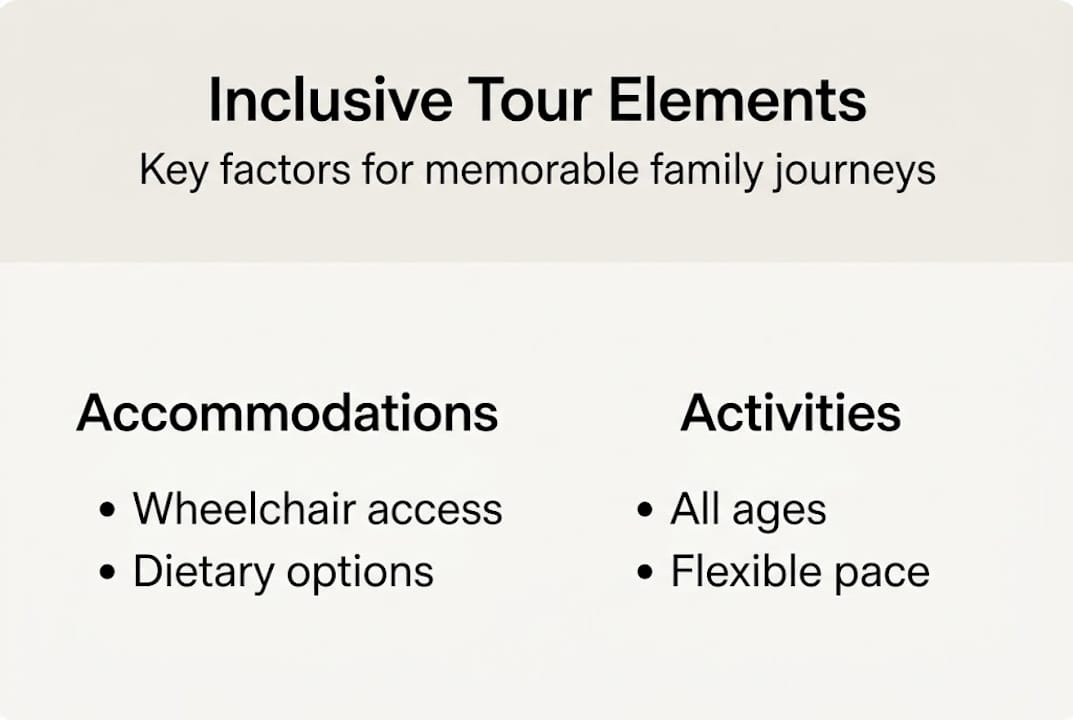
Mobility aids or wheelchair requirements
Dietary restrictions and kosher levels
Room configurations (adjoining rooms, cribs, accessible bathrooms)
Transportation that fits strollers or wheelchairs
Sensory sensitivities for children or adults who may be overwhelmed by crowded sites
When comparing hotel options, look beyond star ratings. Here is a quick comparison of features that matter for inclusive family travel:
Feature | Standard hotel | Inclusive family hotel |
Wheelchair access | Partial | Full, including pool area |
Room flexibility | Fixed layouts | Adjoining and accessible suites |
Dietary options | Basic kosher | Multi-level kosher, vegan, gluten-free |
Family concierge | General | Specialized Bar/Bat Mitzvah support |
Prayer facilities | Rare | On-site synagogue or nearby access |
Choosing the right venues and transport is equally important. Careful planning of accommodations leads to better family experiences across every part of the trip. When you contact hotels, ask specifically about wheelchair ramp access, elevator availability, and sensory-friendly spaces.
Pro Tip: When booking group transportation, always ask whether the vehicle can accommodate wheelchairs and whether the driver has experience with multi-generational family groups. This one question can prevent significant stress on travel days.
Once logistics are mapped, start working on how to arrange family activities that fit your group’s specific profile. The planning stage is where the trip is won or lost.
Step-by-step: Creating a balanced and engaging tour
With your tour essentials in place, let’s get practical with a step-by-step approach to putting your itinerary together.
Set clear goals: What does your family want to feel and experience? Spiritual connection, cultural learning, family bonding?
List every participant’s needs: Do this in writing. Physical, dietary, emotional, and logistical requirements for each person.
Select inclusive experiences: Choose activities where everyone can participate at their own level.
Build in downtime: Rest periods are not wasted time. They prevent burnout and allow natural family bonding.
Review daily plans: Check each day’s schedule against your needs list before finalizing.
A well-planned itinerary provides meaningful shared experiences while respecting different ages and abilities throughout the trip.
Here is how traditional and modern approaches to itinerary planning compare:
Element | Traditional approach | Modern inclusive approach |
Activity selection | Tour-guide led, fixed | Co-created with family input |
Pacing | Packed, site-to-site | Balanced with rest periods |
Focus | Historical sightseeing | Experiential and emotional |
Flexibility | Minimal | Built-in buffer time daily |
Pro Tip: Alternate one high-energy excursion with one slower, communal activity each day. A morning at Masada followed by a relaxed family lunch in a local restaurant keeps everyone refreshed and present.
For a meaningful Israel Bar/Bat Mitzvah trip, the daily rhythm matters as much as the destinations. Consider exploring different experiential trip types to find the right balance for your family.
Troubleshooting: Avoiding common pitfalls
As you refine your itinerary, be aware of typical missteps families encounter so you can sidestep them proactively.
The two most common mistakes are over-scheduling and failing to consult every group member. Both are easy to avoid with a little advance communication. Common pitfalls to watch for include:
Ignoring accessibility: Assuming a site is accessible without confirming in advance
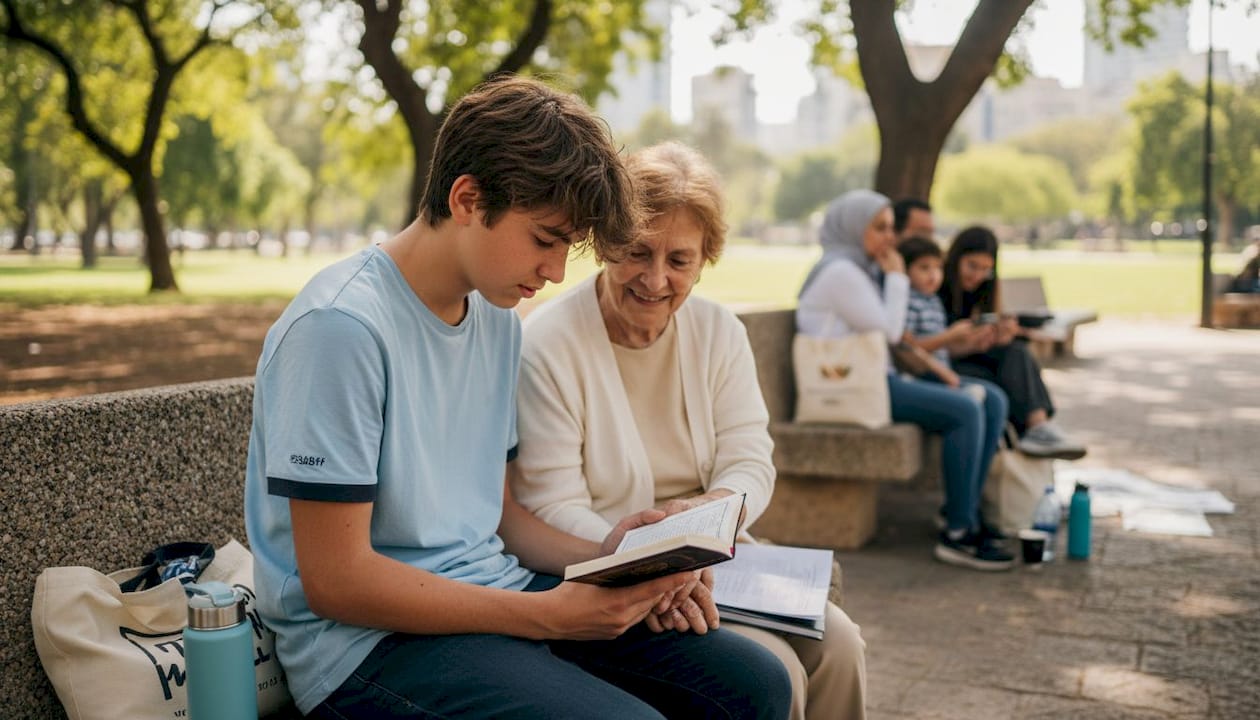
Excluding elders or teens: Planning activities that only appeal to the Bar/Bat Mitzvah child
Insufficient downtime: Filling every hour without recovery time
Skipping dietary confirmation: Assuming kosher food is available everywhere without pre-arranging
Overlooking language barriers: Not providing translated materials or summaries for non-Hebrew speakers
Families value flexibility and clear communication as the top factors for group travel success. Gathering input before you finalize anything saves enormous frustration during the trip.
Unexpected mobility limitations or health concerns can arise during travel. Build a 20 to 30 percent buffer into your daily schedule and identify rest points at every major site. Flexibility is not a sign of poor planning. It is a sign of experienced planning.
Staying current with 2026 Israel travel trends can also help you anticipate new accessibility offerings and family-friendly venues that were not available in previous years.
Our perspective: What truly makes a Bar/Bat Mitzvah trip inclusive
Now that we’ve covered how to avoid common pitfalls, here is what we have learned from over 20 years of planning these journeys: true inclusivity is not about compliance. It is not about checking accessibility boxes or sourcing the right kosher caterer, though those things matter.
Real inclusion is about fostering a sense of belonging. It happens in the quiet moments. A grandfather who can walk slowly through the Western Wall tunnels without feeling rushed. A younger sibling who gets to light a candle and speak at the ceremony. These small, intentional adaptations matter more than any grand gesture.
Families remember the feeling of the trip, not just the itinerary. The best meaningful mitzvah journeys are built on emotional awareness, not just logistics. When you design your trip with every person’s dignity and joy in mind, you do not need the perfect plan. You need the right mindset.
Plan your inclusive Israel Bar/Bat Mitzvah tour with us
You have done the research. Now let the experts handle the details so you can focus on celebrating. At Bnei Mitzvah, we specialize in creating family experiences where every guest feels genuinely included and cared for from the first day to the last.
Our Bar Mitzvah tour options and Bat Mitzvah trip packages are designed for diverse families with real-world needs. We build in accessibility, dietary options, and generational activities from the start. Explore our family-friendly tours and book a free initial consultation to start planning your unforgettable celebration.
Frequently asked questions
How do I choose accessible accommodations for our Israel tour?
Look for hotels that offer wheelchair access, flexible room configurations, and dietary options to meet diverse family needs. Careful planning of accommodations leads to noticeably better experiences for the whole group.
What activities can engage both younger children and grandparents on a Bar/Bat Mitzvah trip?
Plan a balance of experiential learning, hands-on cultural activities, and flexible free time that everyone can enjoy together. Inclusive tours allow families to participate meaningfully regardless of age or physical ability.
How can we ensure our Bar/Bat Mitzvah ceremony in Israel is meaningful for all guests?
Incorporate family involvement, allow for language flexibility, and personalize rituals to include everyone’s backgrounds and beliefs. A well-planned itinerary ensures the ceremony feels personal, not just ceremonial.
What are some common planning mistakes to avoid with inclusive tours?
Avoid over-scheduling, neglecting accessibility checks, and not gathering input from all participants. Families value flexibility and open communication as the clearest predictors of group travel satisfaction.
Recommended
Comments