Israel sightseeing guide for Bar and Bat Mitzvah trips

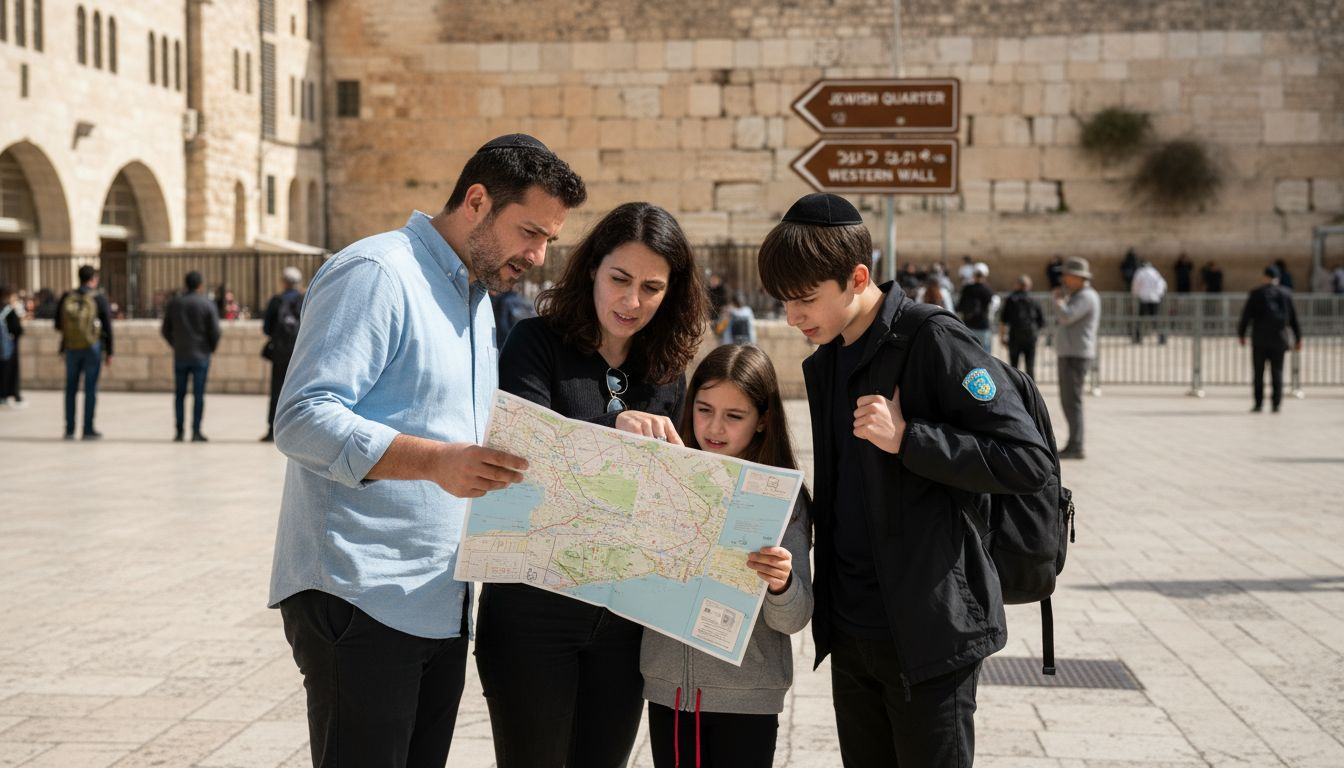
Planning a Bar or Bat Mitzvah trip to Israel with your family should be a joyful milestone, yet many families feel overwhelmed by logistics, scheduling, and balancing spiritual depth with kid-friendly fun. This guide walks you through every step, from early preparation to crafting a meaningful itinerary, so you can focus on celebrating your child’s coming of age in the land where Jewish heritage comes alive.
Table of Contents
Key takeaways
Point | Details |
Start early | Booking air travel and accommodations at least 6 months in advance secures 25-40% better rates and availability in peak seasons. |
Balance activities | Mix spiritual sites like the Western Wall with fun experiences such as the Dead Sea to prevent fatigue. |
Hire expert guides | Licensed Jewish heritage guides boost family engagement by 50%, enriching cultural understanding. |
Protect health | Hydration and sun protection reduce heat illnesses by over 70% during sightseeing. |
Choose off-peak travel | Spring and fall visits reduce crowds by 30-50%, improving comfort and lowering costs. |
Prerequisites: what families need before planning their Israel trip
Before you dive into itinerary details, lay the groundwork for a smooth trip. Secure valid passports for everyone in your family as soon as you decide to travel. Passport processing can take several weeks, so starting early avoids last-minute stress.
Next, prepare essential travel documents, vaccinations, and health insurance at least 3 months before travel to improve trip success rates significantly. The CDC recommends routine vaccines and suggests consulting your doctor about additional shots for Israel. Pair this with comprehensive travel health insurance to cover unexpected medical needs.
Budgeting is equally critical. A typical 10-day family Bar Mitzvah tour costs $3,500 to $5,000 per person, covering airfare, lodging, meals, guided tours, and activities. Setting a realistic budget now prevents overspending later.
Pro Tip: Book flights and accommodations at least 6 months early to lock in better rates and prime dates. Waiting until a few months before your trip often means higher prices and fewer options, especially during Jewish holidays or peak summer travel.
Finally, choose a licensed Jewish heritage guide who specializes in Bar and Bat Mitzvah experiences. These professionals tailor tours to your family’s interests and your child’s maturity level, making historical and spiritual sites come alive through storytelling that resonates with all ages.
Secure passports at least 3 months before your trip
Get CDC-recommended vaccinations and travel insurance
Budget $3,500-$5,000 per person for 10 days
Book flights and hotels 6 months ahead for best deals
Hire a licensed Jewish heritage guide for cultural depth
Step-by-step itinerary planning including significant sites
Once your logistics are in place, focus on building an itinerary that balances spiritual meaning with family-friendly fun. Start your trip with the Western Wall, the single most spiritually significant site for Bar/Bat Mitzvah ceremonies in Israel. Many families hold their ceremony here, creating a powerful connection to Jewish tradition and history.
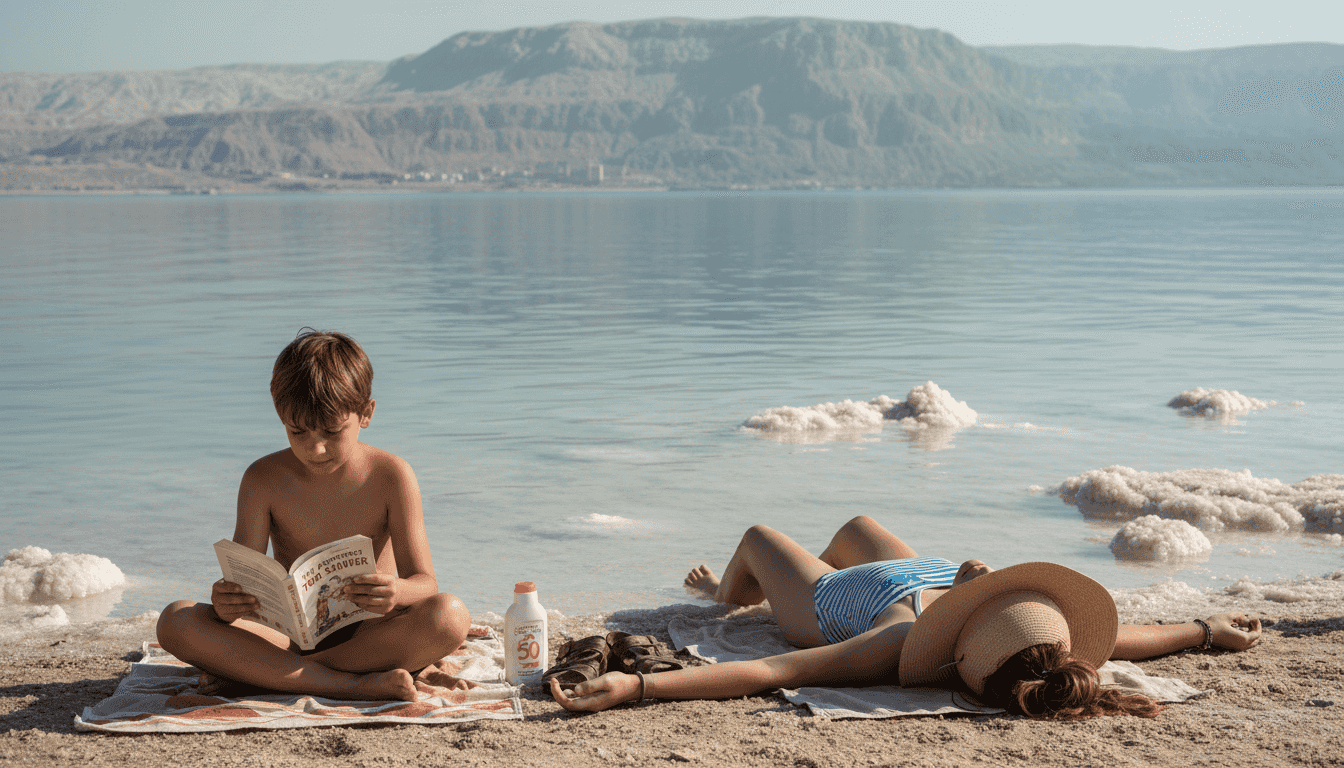
Next, combine Masada and Dead Sea visits in one day to blend historical education with relaxation. Your kids will love floating in the mineral-rich waters after exploring the ancient fortress. This pairing keeps energy high and prevents the boredom that can come from too many consecutive historical sites.
Include Jerusalem’s Old City with its four quarters and Yad Vashem, Israel’s Holocaust memorial museum. These sites provide emotional and educational depth. Yad Vashem offers youth programs designed for children, ensuring age-appropriate engagement with difficult history.
Timing matters. Traveling in off-peak seasons reduces crowding by 30-50%, improving comfort and access. Spring (March to May) and fall (September to November) offer mild weather and fewer tourists, making sightseeing more pleasant.
Pro Tip: Incorporate breaks between major sites. Schedule a café stop or park visit every few hours to let kids decompress. Over-scheduling leads to exhaustion and disengagement, robbing your family of the joy these experiences should bring.
Begin with a ceremony at the Western Wall
Visit Masada and the Dead Sea on the same day
Explore Jerusalem’s Old City and Yad Vashem
Travel in spring or fall for smaller crowds
Build in rest periods between major attractions
Site | Best For | Time Needed |
Western Wall | Bar/Bat Mitzvah ceremony | 2-3 hours |
Masada & Dead Sea | History and family fun | Full day |
Old City Jerusalem | Cultural immersion | Half day |
Yad Vashem | Holocaust education | 3-4 hours |
When planning your Bar Mitzvah itinerary, prioritize quality over quantity. Visiting three well-chosen sites with proper context beats rushing through six with no time to absorb their significance. Think about your child’s interests. If they love archaeology, add Beit Guvrin’s cave systems. If they prefer nature, include hikes in the Galilee. Personalization makes the trip memorable.
Consider visiting top Jewish travel destinations that align with your family’s values and your child’s spiritual journey. Each destination offers unique opportunities to connect with Jewish heritage in meaningful ways.
Cultural and spiritual activities that enhance family bonding
Beyond traditional sightseeing, interactive cultural experiences deepen your family’s connection to Jewish heritage. Hire a licensed Jewish heritage guide who can tell age-appropriate stories that bring sites to life. These professionals know how to engage both teenagers preparing for their Bar or Bat Mitzvah and younger siblings who might otherwise lose interest.
Plan interactive ceremonies that are meaningful yet accessible. Beyond the Western Wall ceremony, consider a tree-planting activity in the Jerusalem Forest or a private Torah reading at a historic synagogue. These hands-on moments create lasting memories and give your child ownership of their spiritual milestone.
Museums and memorials often offer child-friendly programs. Yad Vashem’s youth wing uses age-appropriate materials to teach Holocaust history. The Israel Museum features interactive exhibits on Jewish life through the centuries. Check ahead for family tours or workshops that match your visit dates.
Cultural activities like challah baking classes, Israeli cooking workshops, or attending a live klezmer music performance add joy to the spiritual journey. These experiences let your family participate in living Jewish culture, not just observe historical artifacts.
Bat Mitzvah family activities should reflect your daughter’s interests while honoring tradition. Some families add a visit to the Ayalon Institute, a secret bullet factory run by women during Israel’s War of Independence, to highlight Jewish women’s contributions to history.
Use licensed guides for engaging storytelling
Include hands-on ceremonies beyond the Western Wall
Choose museums with youth-focused programming
Add cultural workshops like cooking or music
Select activities that reflect your child’s identity
Creating these shared moments helps your children see their Jewish identity as vibrant and relevant, not just a set of obligations. The goal is to spark curiosity and pride that extends well beyond the trip itself.
Common mistakes and how to avoid them
Many families make avoidable errors that diminish their trip’s impact. The biggest mistake is over-scheduling. Aggressive scheduling causes 65% of families to experience fatigue and disengagement during their trips. You might think more sites equal more value, but exhausted kids absorb nothing and complain constantly.
Another common error is waiting too long to prepare documents. Insufficient preparation of documents leads to 90% of travel disruptions. Missing a passport renewal deadline or skipping recommended vaccines can derail your entire trip or force expensive last-minute solutions.
Families also underestimate Israel’s climate. Neglecting hydration and sun protection leads to preventable heat illnesses, hospital visits, and ruined days. Pack water bottles for everyone and make sunscreen application a non-negotiable morning routine.
Skipping a licensed guide is another misstep. While DIY touring seems cost-effective, you miss crucial cultural context and storytelling that transforms sites from pretty backdrops into meaningful experiences. Guides also handle logistics, freeing you to focus on family bonding.
Finally, many families pack days too tightly without meal breaks or downtime. Kids need regular food and rest to maintain good moods. Hangry teenagers at the Western Wall serve no one’s spiritual goals.
Pro Tip: Plan no more than two major activities per day, with a substantial lunch break in between. This pacing keeps energy high and attitudes positive. You can always add a spontaneous ice cream stop or market visit if everyone feels great.
Limit daily activities to avoid exhaustion
Prepare all documents at least 3 months ahead
Prioritize hydration and sun protection daily
Hire licensed guides for deeper engagement
Schedule realistic pacing with ample breaks
Avoiding these common planning mistakes transforms your trip from stressful to spectacular. Small adjustments in planning yield massive improvements in family satisfaction and spiritual impact.
Safety and health considerations during Israel sightseeing
Israel’s Mediterranean climate means hot, sunny days for much of the year. Hydration and sun protection reduce heat-related illnesses by over 70% during Israel sightseeing. Carry refillable water bottles and drink consistently, not just when you feel thirsty. Dehydration symptoms can appear quickly, especially in children.
Wear wide-brimmed hats and apply broad-spectrum sunscreen with at least SPF 30 every two hours. Lightweight, light-colored clothing that covers arms and legs provides additional protection without overheating. Even in cooler months, UV rays remain strong.
Follow CDC vaccine and health recommendations for Israel travel, including routine shots and any additional vaccines your doctor suggests. Bring a basic first-aid kit with band-aids, pain relievers, antihistamines, and any prescription medications your family needs.
Keep emergency contacts accessible. Program local emergency numbers into your phone and carry your travel insurance details. Know the location of the nearest hospital or clinic at each destination.
Israel’s weather can shift, especially in Jerusalem’s higher elevation. Pack layers for cooler evenings and unexpected rain in winter months. Being prepared for temperature changes prevents discomfort and keeps your itinerary on track.
Drink water consistently throughout each day
Apply sunscreen every two hours without fail
Wear hats and protective clothing outdoors
Carry emergency contacts and insurance info
Pack layers for temperature variations
“Proper hydration and sun safety aren’t optional. They’re the foundation of a comfortable, healthy trip where your family can fully engage with Israel’s incredible sites.”
By prioritizing health and safety, you ensure that minor issues don’t become major disruptions. A little prevention goes a long way toward keeping everyone happy and focused on the spiritual and cultural experiences that matter most.
Expected outcomes and benchmarks for a meaningful Bar/Bat Mitzvah trip
When you follow this guide’s advice, you can expect specific, measurable outcomes. Budget-wise, a well-planned 10-day trip typically costs $3,500 to $5,000 per person, covering all essentials without surprise expenses. This range assumes mid-tier accommodations, guided tours, and a mix of paid attractions and free experiences.
Emotionally and spiritually, families report significantly increased connection through shared cultural activities. Your Bar or Bat Mitzvah child will successfully complete their ceremony at an iconic site like the Western Wall, creating a lifelong memory tied to Jewish heritage. Many parents note that their children show higher engagement in Jewish learning and community involvement after returning home.
Health-wise, families who follow proper hydration and sun protection protocols experience minimal heat-related incidents. This allows you to maintain your itinerary without medical interruptions or days spent recovering in hotel rooms.
Educationally, children absorb historical and cultural lessons more effectively when delivered by skilled guides in manageable doses. You’ll notice your child asking thoughtful questions and making connections between what they learned in Hebrew school and what they’re experiencing firsthand.
Outcome | Benchmark | How to Measure |
Budget adherence | $3,500-$5,000 per person | Track all expenses against initial budget |
Spiritual fulfillment | Successful ceremony completion | Child and family report meaningful experience |
Family bonding | Increased connection | Observe shared memories and conversations |
Educational impact | Higher heritage engagement | Child’s interest in Jewish topics post-trip |
Health maintenance | Minimal medical issues | No major health disruptions to itinerary |
These expected outcomes provide concrete goals to measure your trip’s success. When preparation, pacing, and priorities align, your family returns home with not just photos, but a transformed relationship to Jewish identity and each other.
Explore tailored Bar and Bat Mitzvah tours with Bnei Mitzvah
Planning a meaningful Bar or Bat Mitzvah trip requires expertise, cultural sensitivity, and logistical skill. That’s where professional guidance makes all the difference.
Bnei Mitzvah specializes in Bar and Bat Mitzvah tours that blend spiritual depth, historical education, and family-friendly fun. Our licensed guides bring over 20 years of experience creating personalized itineraries that resonate with families like yours. We handle every detail, from booking accommodations to arranging meaningful ceremonies at iconic sites, so you can focus on celebrating this milestone with your child.
Our Bar Mitzvah tour options include visits to the Western Wall, Masada, Jerusalem’s Old City, and other significant locations, all paced to prevent fatigue and maximize engagement. We build in cultural workshops, age-appropriate activities, and ample rest time to keep everyone happy and energized.
Thousands of families trust Bnei Mitzvah to turn their Bar or Bat Mitzvah dreams into reality. Our proven approach ensures your trip becomes a transformative family experience, not just another vacation. Let us guide you through Israel’s rich heritage while you create lasting memories with the people you love most.
Frequently asked questions
How far in advance should I start planning my Bar/Bat Mitzvah trip to Israel?
Start planning at least 6 months ahead to secure the best flight and accommodation rates while giving yourself time to prepare travel documents and health precautions. This timeline helps avoid last-minute issues with passports, vaccinations, and sold-out hotels. Families who book earlier experience fewer disruptions and lower stress throughout the planning process.
What are the must-visit spiritual sites for a Bar/Bat Mitzvah ceremony?
The Western Wall is the most significant site for Bar and Bat Mitzvah ceremonies in Israel, offering a powerful connection to Jewish tradition. Many families also include Jerusalem’s Old City, with its ancient synagogues and historic quarters, to deepen the spiritual experience. These locations provide the perfect backdrop for your child’s coming-of-age milestone.
How can I keep younger children engaged during sightseeing?
Use licensed heritage guides who specialize in age-appropriate storytelling to transform historical sites into engaging adventures. Include interactive activities like challah baking or Dead Sea floating between major attractions. Schedule frequent breaks with snacks and downtime to prevent fatigue and maintain positive attitudes throughout your trip.
What safety precautions should families take while touring Israel?
Maintain consistent hydration, wear sun protection daily, and follow CDC vaccine recommendations to minimize health risks. Hydration and sun protection reduce heat illnesses by over 70%, making these non-negotiable practices. Carry emergency contacts, travel insurance details, and a basic first-aid kit to handle minor issues quickly.
Is it better to travel during peak or off-peak seasons for these trips?
Off-peak seasons like spring and fall offer 30-50% fewer crowds, better site access, and lower prices compared to summer and major Jewish holidays. These seasons also feature mild weather that’s more comfortable for full days of sightseeing. The combination of smaller crowds and pleasant temperatures creates a more relaxed, enjoyable family experience that enhances spiritual connection and cultural learning.
Recommended
Comments