Jewish Traditions Checklist for a Meaningful Bar/Bat Mitzvah in Israel

TL;DR:
Honoring core Jewish traditions like Torah reading and Tefillin at meaningful sites enhances the spiritual significance.
Including unique Israeli experiences such as Masada, Dead Sea, and kibbutz stays creates a memorable trip.
Early planning, personalized touches, and integrating mitzvah projects ensure a meaningful and well-organized celebration.
Planning a Bar or Bat Mitzvah trip to Israel can feel genuinely overwhelming. Which traditions belong on the itinerary? How do you honor religious rituals while keeping grandparents comfortable and teenagers engaged? With so many ceremony sites, cultural experiences, and logistical details competing for your attention, knowing where to start is half the battle. This guide gives you a practical, family-tested checklist covering the essential Jewish traditions, must-do Israeli activities, trip-planning timelines, and personal mitzvah touches that turn a good trip into an unforgettable simcha (celebration).
Table of Contents
Key Takeaways
Point | Details |
Core traditions matter | Torah reading, Haftarah, and mitzvah projects ground the celebration in Jewish heritage. |
Blend culture and adventure | Pair spiritual sites with fun Israeli experiences for a balanced, memorable trip. |
Plan well in advance | Start organizing 12-24 months ahead for the best options and smooth logistics. |
Personalize the celebration | Children’s involvement and custom touches create lasting impact and memories. |
Essential Bar/Bat Mitzvah traditions to honor
The religious rituals are the heart of every Bar and Bat Mitzvah, and Israel is one of the most powerful places on earth to observe them. Before diving into Israeli-specific activities, confirm that your ceremony covers these foundational elements:
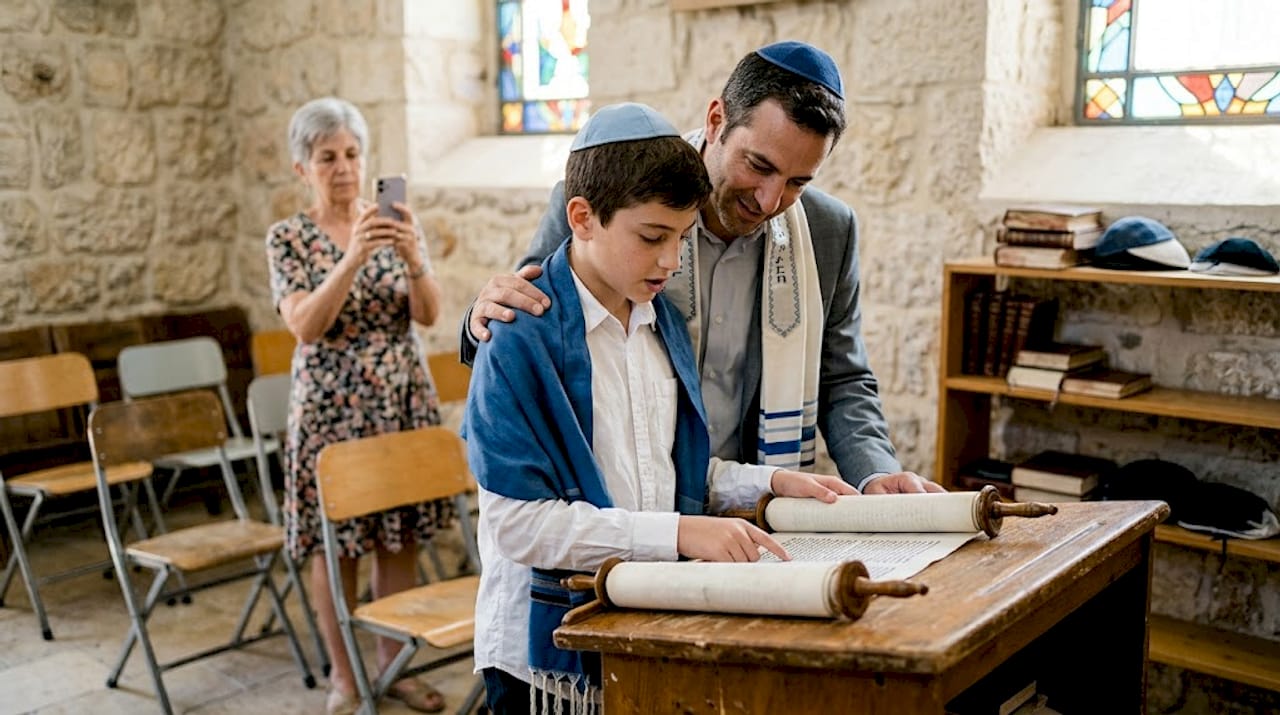
Torah reading (aliyah): Being called to the Torah and reading from it is the defining moment. In Israel, doing this at the Western Wall or ancient synagogues in Jerusalem adds a layer of meaning that no venue at home can match.
Haftarah chanting: The child chants a portion from the Prophets, a practice that builds Hebrew fluency and public speaking confidence months before the trip.
D’var Torah: This short speech shows the child’s personal reflection on the Torah portion. It connects their life to ancient wisdom, and hearing it delivered in Israel makes it feel especially real.
Tefillin (for boys): Small leather boxes containing Torah verses, worn during morning prayer. Many boys don tefillin for the first time at the Western Wall, a moment families photograph for decades.
Tallit presentation: The prayer shawl (tallit) is often gifted by grandparents or parents during the ceremony, making it an emotional, multi-generational milestone for both boys and girls.
Mitzvah project: An act of service that extends the child’s learning beyond the ceremony room. Israel offers extraordinary opportunities to make this meaningful.
Pro Tip: Invite extended family members to hold the Torah, recite blessings, or wrap the tallit. These small planning steps distribute the joy and build connections that last long after the trip ends.
With religious milestones as your foundation, it’s time to make the journey come alive through experiences uniquely tied to Israel.
Meaningful Israeli experiences to include
Israel is more than a ceremony backdrop. It’s a living classroom. These activities are proven crowd-pleasers that balance spiritual depth with genuine family fun:
Masada sunrise ceremony: Ride the cable car before dawn and watch the Judean Desert ignite in orange light. Historians note Masada’s iconic story of ancient Jewish resistance, making it a natural companion to any Bar or Bat Mitzvah theme of courage and identity.
Dead Sea float: The saltiest large body of water on earth is a scientific wonder and pure joy. Every family member, from five-year-olds to grandparents, can float effortlessly, and the mineral-rich mud doubles as a memorable photo opportunity.
Yad Vashem: Israel’s Holocaust memorial and museum is a sobering, essential visit. It transforms the abstract lessons of Jewish history into something deeply personal, especially for a child stepping into adult responsibility.
Kibbutz experience: Spending time on a working collective farm connects the family to modern Israeli culture. Many kibbutzim offer challah baking, dairy workshops, and stories of pioneers that feel nothing like a standard tour.
Volunteering and mitzvah projects: Popular activities include helping local food banks, environmental cleanups, and working with youth organizations.
Adventure: For teens especially, adventure activities like ATV rides in the Negev or white-water rafting on the Jordan River keep the energy high between reflective moments.
Pro Tip: Consult your Israel sightseeing guide early and alternate heavy, emotional sites with lighter, active experiences. This rhythm prevents burnout and keeps every family member present.
After immersing in Israel’s must-sees, blend tradition and action for a balanced itinerary.
Family trip planning and pacing essentials
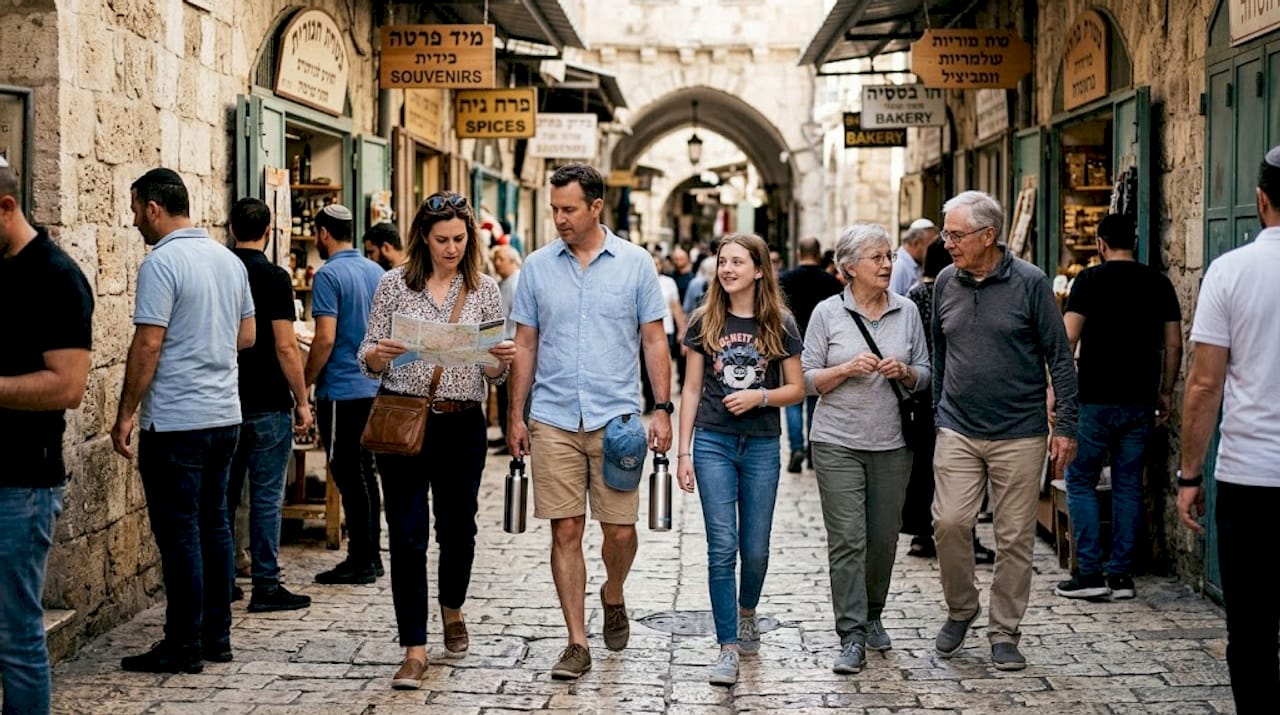
Good logistics are invisible. When travel runs smoothly, the spiritual and emotional moments get all the attention. Here is what experienced families do:
Start planning 12 to 24 months in advance. Planning 12 to 24 months ahead gives you the best ceremony site options, hotel availability, and access to top local guides.
Book ceremony venues, hotels near sacred sites, and licensed guides early. Demand is high and growing. 2026 tourism growth is projected at 30%, so availability tightens fast.
Build in real downtime. A packed itinerary feels exciting on paper but exhausting in person, especially for younger children and grandparents who need afternoon rest.
Prepare a logistics checklist: passports, visas, kosher meal arrangements, medication lists, and travel insurance.
| Feature | 1-week trip | 2-week trip | |—|—|—| | Ceremony sites visited | 1 to 2 | 3 to 4 | | Cultural activities | 2 to 3 | 5 to 7 | | Rest days built in | 1 | 3 to 4 | | Adventure options | Limited | Full range | | Best for | Tight budgets, focused families | Multigenerational, deeper immersion |
Use the family trip guide to organize your timeline, and don’t underestimate the value of a solid packing checklist and current safety tips for traveling with a large group.
With logistics under control, focus next on making the occasion personally meaningful for your family.
Mitzvah projects and personal touches for lasting impact
The ceremony marks one day. What the child carries home lasts a lifetime. The most memorable Bar and Bat Mitzvah trips weave personal meaning through every part of the itinerary.
“Connecting your simcha to service projects makes the joy ripple far beyond your family.”
Mitzvah projects in Israel carry extra weight because they happen in the same land where the Torah originated. Consider these options:
Mitzvah project idea | Community benefit | Family fit |
Local food bank volunteering | Addresses food insecurity | All ages |
Environmental planting day | Land restoration | Active families |
Kibbutz community work | Agricultural heritage | Teens and adults |
Youth organization visits | Peer connection | Child-centered |
One practical insight from family trip planning experience: children who help choose their own mitzvah project show far greater enthusiasm and follow-through than those who are assigned one. Ask your child early. Their answer usually surprises you.
Balance is also critical. Mix structured ceremony time with open hours for play, exploration, or simply sitting together at sunset. Consider arranging family activities that feel spontaneous, even if they’re carefully planned. Look at custom tour tips to see how professional organizers handle kosher meals, security, and surprises without adding stress to your family.
Once personal touches are added, review the checklist summary to ensure nothing is missed.
A fresh perspective: Why personalization matters most
Here is something most planning guides won’t tell you: the checklist is a starting point, not the destination. After 20 years of helping families celebrate in Israel, we’ve noticed that the moments families remember most are rarely the scheduled highlights. They’re the spontaneous song that breaks out on the bus, the private blessing a grandmother whispers over her grandchild at the Western Wall, or the wild laughter during a Dead Sea mud fight.
Personalizing the trip around your family’s values, sense of humor, and pace brings all the meaningful itinerary planning together. No two families are alike. A one-size checklist serves everyone adequately and no one perfectly. The families who leave Israel most moved are the ones who made space for their own story inside the tradition.
Ready to plan your unforgettable Bar/Bat Mitzvah in Israel?
Now that you know what matters most, connecting with experts who understand every detail makes all the difference. At Bnei Mitzvah, we handle the logistics, including kosher meals, ceremony permits, and security coordination, so your family can focus on the moments that matter.
Explore our Bar/Bat Mitzvah tour packages to find the right fit, or browse dedicated Bar Mitzvah tours built for families just like yours. Ready to talk through your checklist? Visit Bnei Mitzvah and let’s start building your family’s perfect celebration together.
Frequently asked questions
What are the essential Bar/Bat Mitzvah traditions to include in Israel?
Key traditions are Torah reading/aliyah, Haftarah chanting, D’var Torah speech, tefillin for boys, and a tallit presentation, often followed by a mitzvah project tied to the local community.
How far in advance should I plan a Bar/Bat Mitzvah trip to Israel?
Start planning 12 to 24 months before your target date to secure the best ceremony sites, hotels, and experienced local guides before demand peaks.
What Israeli activities make a Bar/Bat Mitzvah trip memorable?
Top experiences include a Masada sunrise, floating in the Dead Sea, visiting Yad Vashem, kibbutz stays, and adventure options like rafting and ATV rides in the Negev desert.
How can we connect our celebration to Tikkun Olam in Israel?
Choose a local mitzvah project such as food bank volunteering, environmental planting, or joining a kibbutz community initiative that directly serves Israeli communities.
Recommended
Comments