Mitzvah Milestones: 613 Commandments & Deep Meaning 2026

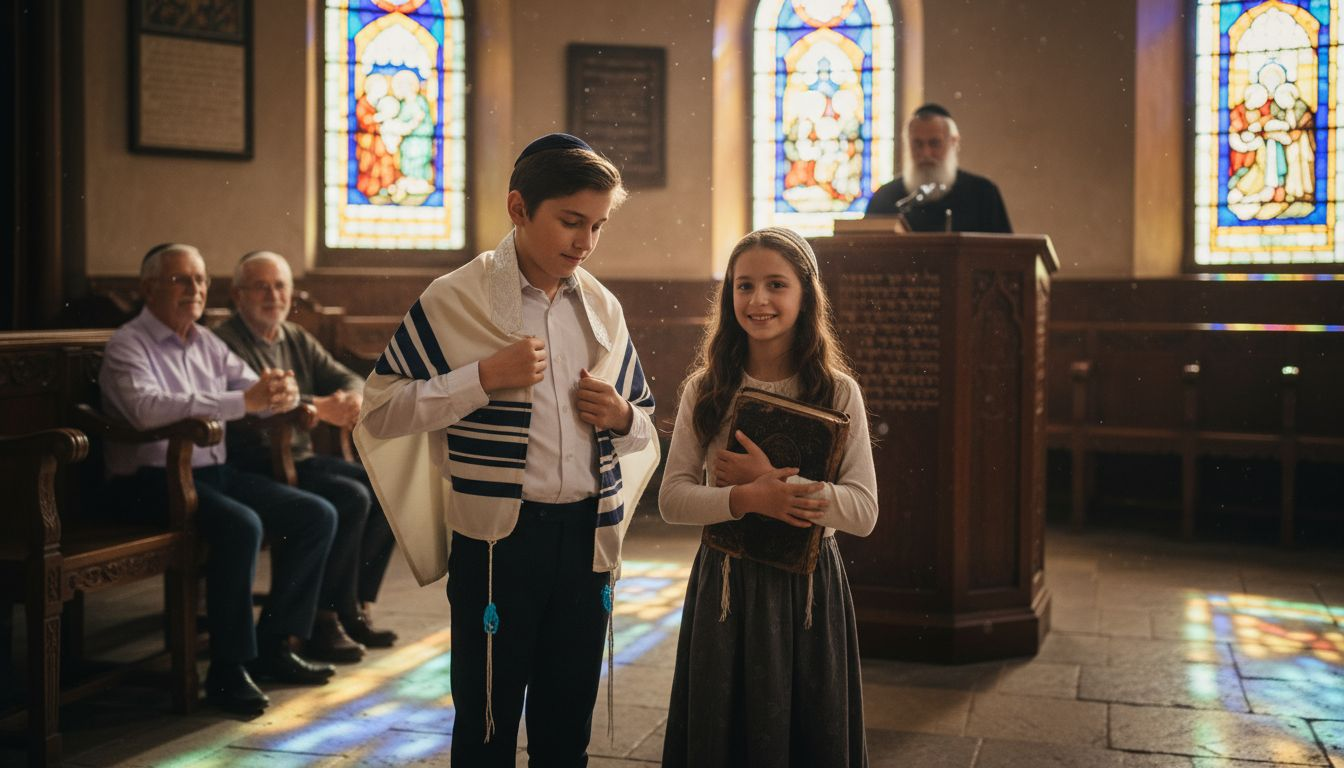
Your child’s Bar or Bat Mitzvah represents far more than a party with family and friends. This milestone marks acceptance of 613 divine commandments, transforming your child into a full participant in Jewish religious life. Many parents focus on the celebration while overlooking the profound spiritual transition occurring. This guide explains the origins, meanings, duties, and cultural significance of mitzvah milestones to help you plan a meaningful experience that honors tradition while creating lasting memories.
Table of Contents
Key Takeaways
Point | Details |
Coming-of-age timing | Bar Mitzvah occurs at age 13 for boys, Bat Mitzvah at age 12 for girls, marking religious maturity. |
Commandment responsibility | The child accepts personal obligation for all 613 mitzvot, establishing lifelong spiritual duties. |
Spiritual transformation | The milestone signifies legal religious maturity, full synagogue participation, and community inclusion. |
Beyond celebration | True meaning lies in spiritual preparation and ongoing commitment, not just the party. |
Meaningful approaches | Modern families blend traditional ceremony with immersive experiences like heritage trips to deepen connection. |
Definition and Significance of Mitzvah Milestones
The term ‘Bar/Bat Mitzvah’ means ‘son/daughter of the commandment,’ signifying your child’s covenantal relationship with Jewish law. Boys become Bar Mitzvah at age 13, girls Bat Mitzvah at age 12. These ages mark when children enter religious responsibility within Jewish tradition.
This transition represents more than a ceremonial milestone. Your child moves from being subject to your religious obligations to bearing personal responsibility for observing mitzvot. The milestone symbolizes spiritual maturity and legal standing within the Jewish community.
Understanding the depth of this transition helps you guide your child through meaningful preparation. Israeli landmarks carry profound meaning in Bar Mitzvah celebrations, connecting your family to millennia of Jewish heritage.
Key aspects of mitzvah milestones include:
Acceptance of personal accountability for observing Jewish law and commandments
Recognition as a full member of the Jewish religious community
Eligibility to participate in synagogue rituals previously reserved for adults
Commitment to lifelong Torah study and spiritual growth
Transition from parental religious responsibility to personal obligation
This meaning of Bar/Bat Mitzvah extends beyond a single ceremony. It establishes a foundation for your child’s Jewish identity that lasts a lifetime. Parents who understand this significance can better support their children through this pivotal transition.
Biblical and Rabbinic Foundations
Jewish halachic tradition establishes ages 12 for girls and 13 for boys as spiritual maturity points. These distinctions emerged from rabbinic interpretations of biblical precedent and physiological development observations. The age distinction for girls at 12 and boys at 13 accounts for spiritual maturity differences recognized historically and halachically.
Jewish tradition states that there are 613 mitzvot from God, establishing the lifelong obligations assumed at Bar/Bat Mitzvah. These commandments encompass ritual practices, ethical conduct, and communal responsibilities. Your child takes on this full spectrum of obligations at the milestone.
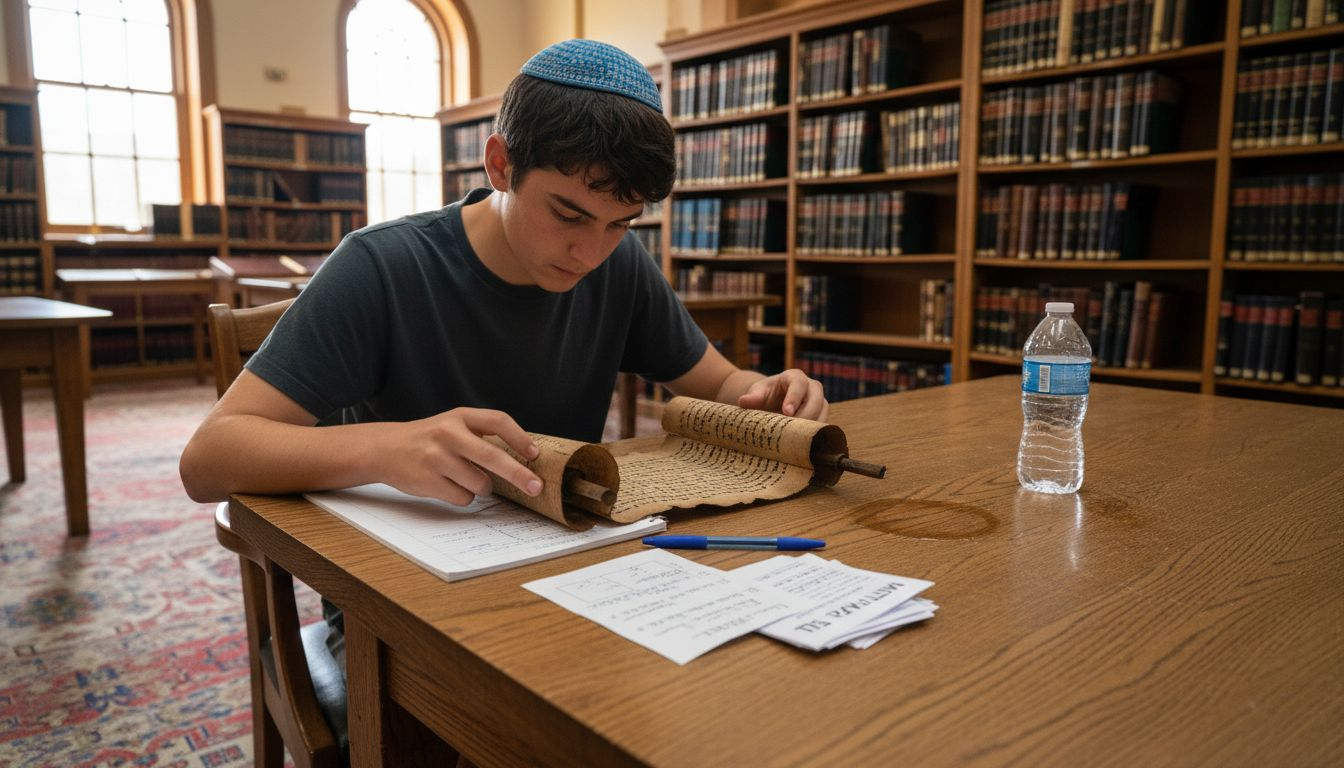
Biblical figures serve as models for the courage and leadership expected after this transition. The Bar/Bat Mitzvah milestone is analogous to biblical figures like Joshua taking leadership, symbolizing entry into communal responsibility and courage in faith. This connection to scripture grounds the milestone in Jewish narrative spanning thousands of years.
Rabbinic literature reinforces these age distinctions through detailed commentary. The Talmud discusses when children become obligated in mitzvot observance. These texts establish the framework modern communities follow today.
“At age thirteen, one becomes obligated in the commandments.” This rabbinic teaching establishes the foundation for Bar Mitzvah tradition, connecting your child to generations of Jewish scholars and community leaders.
The Jewish lifecycle insights blog explores how these ancient foundations apply to modern mitzvah celebrations. Understanding biblical and rabbinic sources helps you appreciate the weight and honor of this milestone. Your child joins a chain of tradition stretching back to Sinai.
Key scriptural and rabbinic elements include:
Torah portions mentioning ages of responsibility and coming-of-age transitions
Talmudic discussions establishing halachic standards for mitzvah observance
Midrashic stories illustrating youth taking on religious duties
Commentaries explaining the 613 mitzvot religious obligations in detail
Spiritual and Communal Responsibilities After the Milestone
Your child gains full participation rights in synagogue life after becoming Bar or Bat Mitzvah. Eligibility to be counted in a minyan and lead prayers; receiving aliyot during Torah readings marks formal community inclusion. These privileges carry corresponding responsibilities for active engagement in Jewish communal life.
The specific religious roles your child can now assume include:
Counting toward the minyan of ten adults required for public prayer
Leading congregational prayers and services
Receiving aliyot to recite blessings over Torah readings
Reading from the Torah scroll during services
Serving as a witness for religious ceremonies and contracts
Fasting on Yom Kippur and other designated fast days
These responsibilities extend beyond the ceremony itself. Embracing mitzvot and Torah study becomes a lifelong spiritual commitment. Your child’s Jewish education shouldn’t end with the Bar or Bat Mitzvah celebration.
Pro Tip: Encourage continued learning programs post-milestone to reinforce identity and growth. Many synagogues offer teen programs, and family bonding through mitzvah experiences can strengthen commitment through shared spiritual journeys.
The communal aspect matters as much as individual obligation. Your child becomes part of the adult Jewish community, contributing to its continuity and vitality. This inclusion brings both honor and accountability.
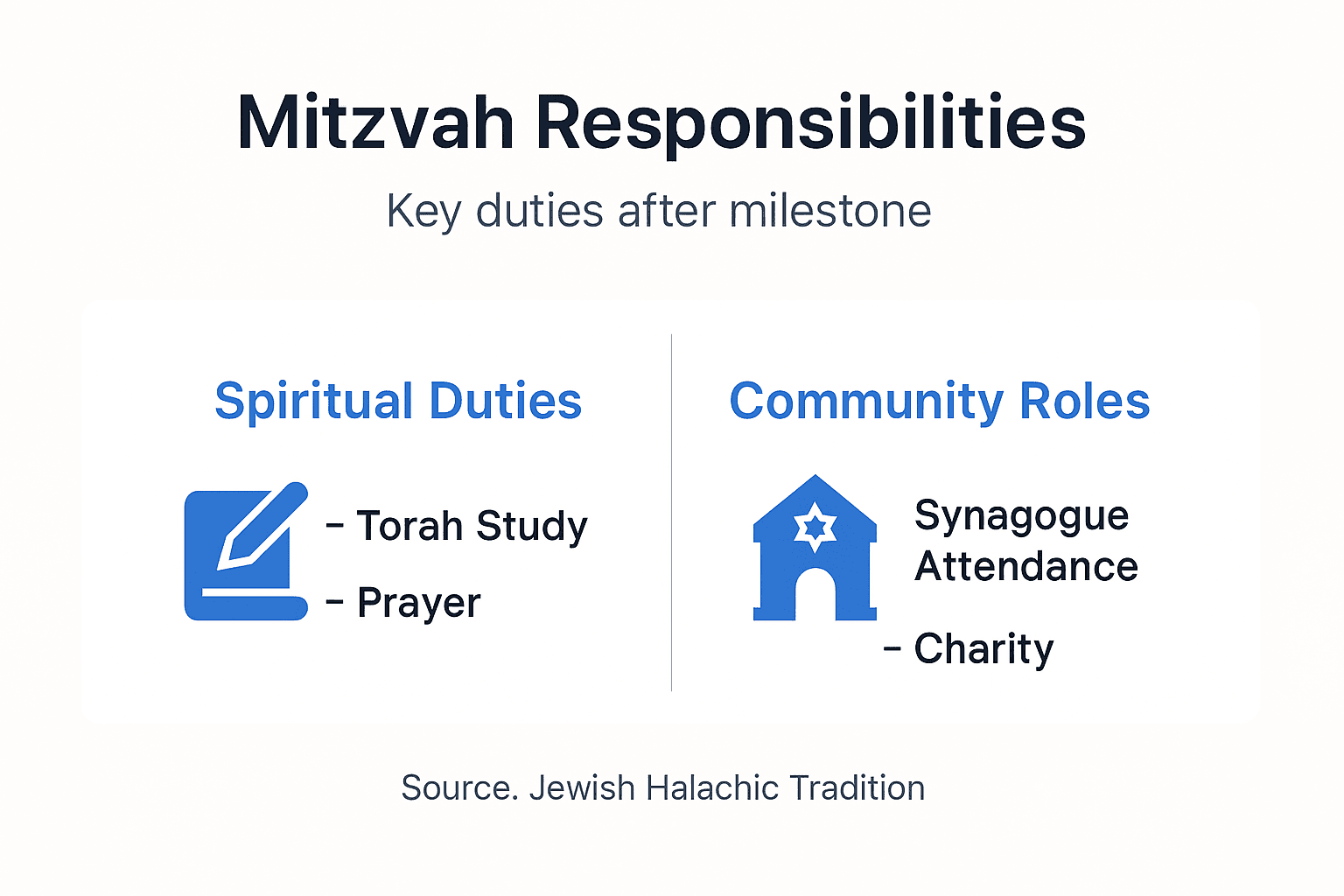
Ongoing mitzvah observance shapes your child’s character and values. The post-milestone responsibilities establish patterns for ethical living and spiritual mindfulness. Supporting your child through this transition helps them embrace these duties joyfully rather than viewing them as burdens.
Common Misconceptions About Mitzvah Milestones
Many families misunderstand the true nature of Bar and Bat Mitzvah celebrations. A common misconception is that a Bar/Bat Mitzvah is merely a party; in reality, it’s a solemn transition into religious duty and communal responsibility. The emphasis on elaborate celebrations can overshadow the spiritual significance.
Another widespread confusion involves terminology and scope. Some believe only boys have Bar Mitzvah ceremonies. In fact, girls celebrate Bat Mitzvah at age 12, marking their own religious coming of age. Both milestones carry equal spiritual weight.
The word “mitzvah” itself often gets misinterpreted. Many use it to mean simply a good deed. While mitzvot include acts of kindness, the term actually means a commandment, implying legal obligation. This distinction matters for understanding the weight of responsibility your child assumes.
“The celebration doesn’t make someone Bar or Bat Mitzvah. The arrival at the appropriate age does. The ceremony recognizes and honors this transition rather than creating it.”
Parents often mistakenly believe the milestone is primarily about celebration, but true focus is spiritual readiness and commitment. This misconception leads families to prioritize party planning over meaningful preparation.
Key misconceptions to avoid:
Believing the party itself constitutes the Bar/Bat Mitzvah
Thinking boys alone have mitzvah milestones
Assuming mitzvah means only voluntary good deeds
Viewing the milestone as an endpoint rather than a beginning
Focusing on gifts and entertainment over spiritual growth
Your child’s months of study and preparation define the milestone more than any single event. The Torah reading, speeches, and ritual participation demonstrate readiness to accept mitzvot. These elements deserve priority in your planning.
Exploring meaningful Bar Mitzvah celebration ideas helps balance joy with substance. Understanding these misconceptions clarified empowers you to create an authentic experience honoring tradition while celebrating your child’s growth.
Modern Approaches to Meaningful Mitzvah Celebrations
Contemporary families are discovering innovative ways to enhance mitzvah milestone experiences. Many choose Israel trips combining heritage immersion with ritual, deepening spiritual connection through direct engagement with Jewish history and holy sites. These journeys transform the milestone from a single ceremony into an extended educational adventure.
Integrating educational workshops and interactive learning complements ritual preparation. Your child gains deeper understanding of the mitzvot they’re accepting. Hands-on experiences make abstract concepts tangible and memorable.
Balancing festive celebration with meaningful religious reflection strengthens family and community bonds. You can honor tradition while creating personalized experiences that resonate with your child’s interests and spiritual readiness.
Approach | Traditional Synagogue Ceremony | Experiential Travel Approach |
Location | Home synagogue | Israel or meaningful destination |
Focus | Ritual mastery and Torah reading | Heritage connection and immersive learning |
Duration | Single day event | Multi-day journey |
Educational depth | Torah portion study | Comprehensive cultural and historical context |
Family involvement | Guests at ceremony | Shared experiences and bonding |
Lasting impact | Ceremony memories | Transformative spiritual journey |
Modern mitzvah celebration ideas include:
Heritage tours to Israel visiting Jerusalem, Masada, and Tel Aviv
Service projects combining mitzvah celebration with tikkun olam
Intimate ceremonies in meaningful locations beyond traditional synagogues
Multi-generational family gatherings emphasizing storytelling and legacy
Educational programs teaching Jewish history and values alongside ritual preparation
Pro Tip: Tailor the mitzvah experience to your child’s personality and spiritual readiness for maximum impact. A shy child might thrive in a small, intimate setting, while an outgoing teen might embrace leading a large congregation.
Planning guided Bar/Bat Mitzvah experiences with expert support ensures seamless integration of meaningful elements. Professional guidance helps you navigate logistics while maintaining focus on spiritual significance. These approaches honor tradition while acknowledging contemporary family dynamics and values.
Cultural and Familial Impact of Mitzvah Milestones
Mitzvah milestones connect youth with Jewish ancestors and deep heritage spanning millennia. Your child joins an unbroken chain of Jewish tradition, linking past generations to future ones. This connection provides identity and belonging that transcends individual experience.
Milestones foster connection to Jewish ancestors and serve as communal affirmation of faith and identity. The entire community witnesses and celebrates your child’s transition. This collective participation reinforces Jewish continuity and mutual responsibility.
Families build lasting traditions and memories fostering spiritual growth across generations. Your child’s Bar or Bat Mitzvah becomes part of family lore, referenced and remembered for years. These stories shape family identity and values.
The milestone strengthens bonds within the Jewish community nationally and globally. Your family connects with Jews worldwide who share this tradition. This universal practice unites diverse communities through common experience.
Cultural and familial impacts include:
Transmission of Jewish values and practices to the next generation
Creation of family traditions around mitzvah milestone celebrations
Strengthening of extended family relationships through shared celebration
Affirmation of Jewish identity in an increasingly diverse society
Building of social networks within the Jewish community
The family connection through mitzvah experiences creates opportunities for meaningful bonding. Traveling together or engaging in shared preparation deepens relationships. These experiences become touchstones your family returns to throughout life.
Grandparents often play special roles in mitzvah celebrations, sharing wisdom and family history. This intergenerational exchange preserves memory and tradition. Your child learns their place within a larger family narrative.
The familial and cultural impact extends beyond the immediate family. Friends, community members, and mentors all participate in supporting your child’s growth. This network provides ongoing spiritual and social support as your child navigates adolescence and adulthood.
Discover Meaningful Bar & Bat Mitzvah Tours in Israel
Imagine celebrating your child’s milestone where Jewish history comes alive. Bar Mitzvah tours in Israel offer expertly planned experiences blending spirituality, heritage, and celebration. Our specialized programs transform the coming-of-age journey into an unforgettable family adventure.
With over 20 years of expertise, we guide families through meaningful locations, inspiring stories, and spiritual enrichment. Every element combines visits to holy sites with exceptional culinary experiences and exciting activities. Planning and guiding Bar/Bat Mitzvah tours ensures your family’s journey resonates deeply with tradition while creating lasting memories.
Our planned Bar/Bat Mitzvah tours provide comprehensive support from initial concept through final celebration. We handle logistics so you can focus on the spiritual and familial significance of this milestone.
Frequently Asked Questions About Mitzvah Milestones
What age is appropriate for Bar vs. Bat Mitzvah?
Boys become Bar Mitzvah at age 13, while girls celebrate Bat Mitzvah at age 12. These ages reflect traditional Jewish law recognizing different developmental timelines. The milestone occurs automatically at these ages, with the ceremony marking rather than creating the transition.
What spiritual responsibilities begin after the milestone?
Your child becomes obligated to observe all 613 commandments, participate fully in synagogue life, and count toward a minyan. They can receive aliyot, lead prayers, and fast on designated days. These responsibilities establish lifelong patterns of Jewish observance and communal participation.
How can families create meaningful mitzvah celebrations beyond parties?
Focus on educational depth through heritage trips, service projects, and immersive Jewish learning experiences. Balance festive elements with spiritual reflection and family bonding activities. Prioritize your child’s preparation and understanding of mitzvot over elaborate entertainment or expensive gifts.
What common mistakes should parents avoid when preparing their child?
Avoid emphasizing the party over spiritual preparation. Don’t treat the milestone as an endpoint rather than a beginning. Resist pressure to create elaborate celebrations that overshadow religious significance. Ensure your child understands the obligations they’re accepting, not just the performance aspects of the ceremony.
Why is ongoing mitzvah observance important after the Bar/Bat Mitzvah?
The milestone marks the beginning of lifelong religious responsibility, not a graduation from Jewish education. Continued learning and practice deepen your child’s connection to faith and community. Regular mitzvah observance shapes character, values, and Jewish identity throughout adulthood.
Recommended
Comments