Spiritual Enrichment on Mitzvah Trips – Why It Matters

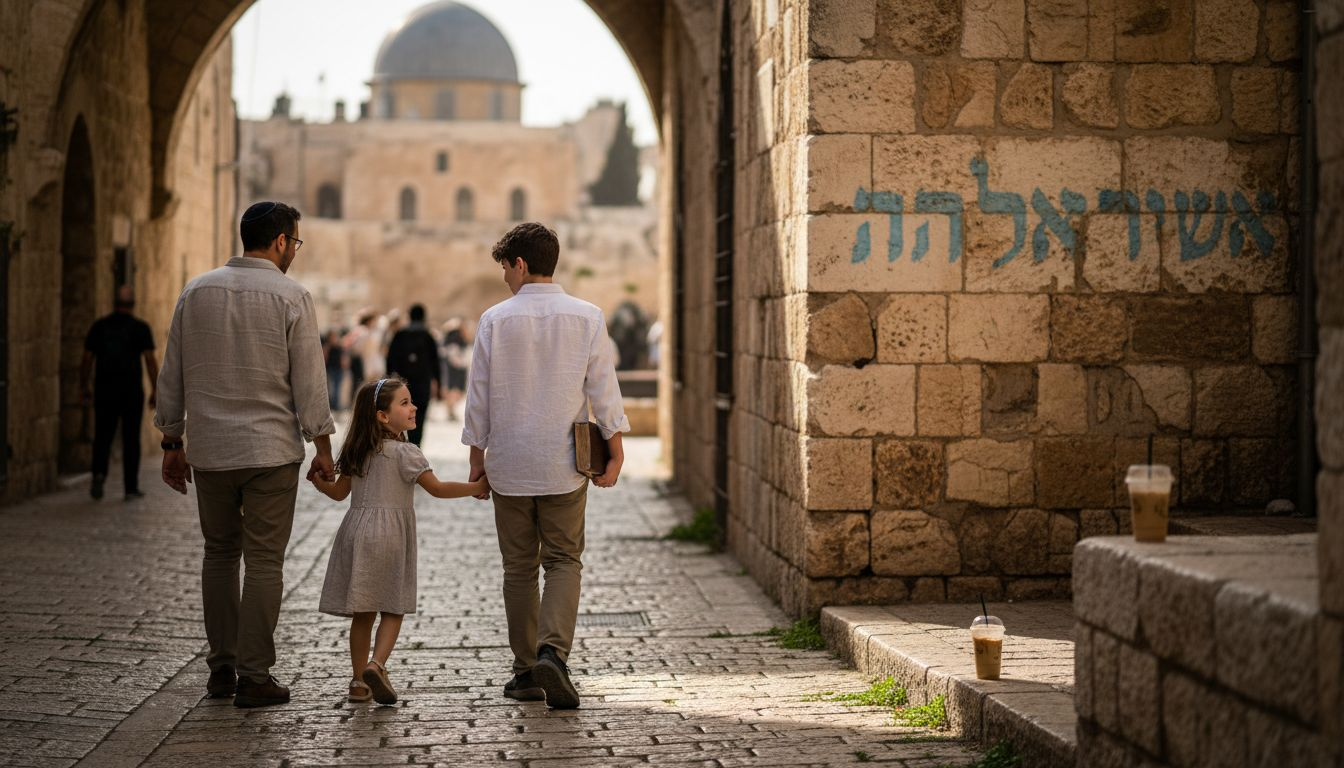
Every family seeks more than just a milestone celebration when planning a Bar or Bat Mitzvah trip to Israel. For many Jewish parents in the United States, this moment is about nurturing true spiritual enrichment and deepening connections across generations. These journeys hold the power to transform family bonds and create lasting meaning, especially when they blend personal reflection, authentic rituals, and encounters with Jewish heritage. Discover what makes your mitzvah trip truly meaningful—beyond just a checklist of sacred sites.
Table of Contents
Key Takeaways
Point | Details |
Intention Matters | A spiritually enriching mitzvah trip requires intentionality, focusing on meaningful experiences rather than merely checking off tourist sites. |
Diverse Engagement | Combining various activities, like prayer, reflection, and community service, enhances family bonding and spiritual growth during the trip. |
Emotional Preparation | Discussing emotional expectations beforehand helps families process profound moments during the trip, facilitating deeper connections. |
Avoid Common Pitfalls | Steer clear of treating the trip as a mere checklist or overemphasizing entertainment to ensure authentic spiritual experiences. |
Defining Spiritual Enrichment on Mitzvah Trips
Spiritual enrichment on a mitzvah trip goes beyond checking off tourist attractions or completing a religious obligation. It’s about creating deep personal connections to your heritage, your faith, and your family during a transformative journey.
For Jewish families, spiritual enrichment means different things at different life stages. Your thirteen-year-old experiencing their Bar or Bat Mitzvah might feel it when touching the Western Wall for the first time. You might experience it watching your child lead a service at a historic synagogue in Jerusalem’s Old City. Grandparents often discover it reconnecting with ancestral roots in ways home study never permits.
What makes spiritual enrichment real and lasting?
Research on spiritual tourism shows that spiritual enrichment involves searching for deeper meaning and personal transformation, not just religious dogma. Your mitzvah trip becomes spiritually enriching when it combines several essential elements:
Meaningful locations where your family feels genuine connection to Jewish history and values
Authentic activities that engage your senses and emotions, not just your intellect
Family moments that create shared understanding and vulnerability between generations
Personal reflection about what Judaism means to your child and your household
Community connection through meeting Israeli families, studying with local educators, or serving others
The difference between a regular family vacation and a spiritually enriching mitzvah trip comes down to intentionality. A beach day is fun. Exploring how your family’s story intersects with Jewish history at that beach’s location transforms it into something meaningful.
True spiritual enrichment happens when experiences shift how your family understands themselves, their identity, and their place in the Jewish community.
Think of it this way: your child will remember facts about ancient Jerusalem for a semester. They’ll remember how they felt standing in the ruins of the Second Temple, realizing their ancestors stood there thousands of years before, for a lifetime. That’s the difference when intentional mitzvah experiences bring families together through shared meaning rather than just shared moments.
Pro tip: Before your trip, have each family member identify one personal spiritual question or goal they hope the journey answers. This creates a framework for recognizing enriching moments when they happen.
Types of Spiritual Activities and Experiences
Spiritual activities on mitzvah trips aren’t one-size-fits-all. Different experiences resonate with different family members, and the most enriching trips combine multiple types of engagement.
Your child’s Bar or Bat Mitzvah experience might include ritual participation and prayer in ancient synagogues, but that’s just one piece. Real spiritual growth happens when activities are layered, intentional, and personally meaningful.
Core Spiritual Activity Types
Prayer and ritual observance in historically significant spaces transforms ordinary worship into something profound. Leading services at the Western Wall or a centuries-old Jerusalem synagogue connects your child directly to generations of ancestors.
Sacred site visitation goes beyond sightseeing. Standing at Masada, exploring the tunnels under the Old City, or walking through Hebron’s ancient streets creates emotional and historical understanding that textbooks cannot deliver.
Study and reflection sessions with local educators, rabbis, and Israeli young people deepen Jewish identity. These conversations happen naturally when traveling, not forced in classroom settings.
Community service activities ground spirituality in action. Volunteering at orphanages, environmental projects, or community programs in Israel shows your family that Judaism means caring for others.
Family reflection time might be your most valuable spiritual activity. Quiet moments watching sunsets over Jerusalem, journaling about what the trip means, or evening conversations about identity and belonging create space for real transformation.
Here’s how core spiritual activity types differ in their impact:
Activity Type | Main Benefit | Typical Setting | Engagement Level |
Prayer & Ritual | Emotional connection to heritage | Ancient synagogues, Western Wall | Direct participation |
Sacred Site Visitation | Enhanced historical understanding | Sites like Masada, Old City | Sensory/Mental immersion |
Study & Reflection | Deepened Jewish identity | With local educators, informal talks | Intellectual/Personal |
Community Service | Commitment to Jewish values | Volunteer centers, local projects | Hands-on, interactive |
Family Reflection Time | Strengthened family bonds | Evenings, scenic locations | Shared dialogue/Quiet |
Here’s what research shows about these activities working together:
Active engagement in rituals produces deeper transformation than passive observation
Extended time at sacred sites allows emotional processing, not just check-box tourism
Personal connection to local people and educators makes spiritual concepts tangible
Reflection and discussion with family members helps integrate experiences into identity
Variety in activities keeps the trip engaging while addressing different learning styles
The most spiritually enriching trips balance structured activities with unscheduled time for spontaneous connection and personal processing.
Many families find that experiential travel approaches create lasting Bar Mitzvah memories because they prioritize depth over quantity. One meaningful conversation with an Israeli peer matters more than visiting five more archaeological sites.
Pro tip: Build flexibility into your itinerary so your family can linger at locations that create unexpected emotional resonance—these unplanned moments often become the trip’s most spiritual highlights.
How Trips Deepen Jewish Identity and Values
A mitzvah trip isn’t just about celebrating a milestone. It’s about anchoring your child’s Jewish identity to something real, tangible, and emotionally powerful that shapes who they become.
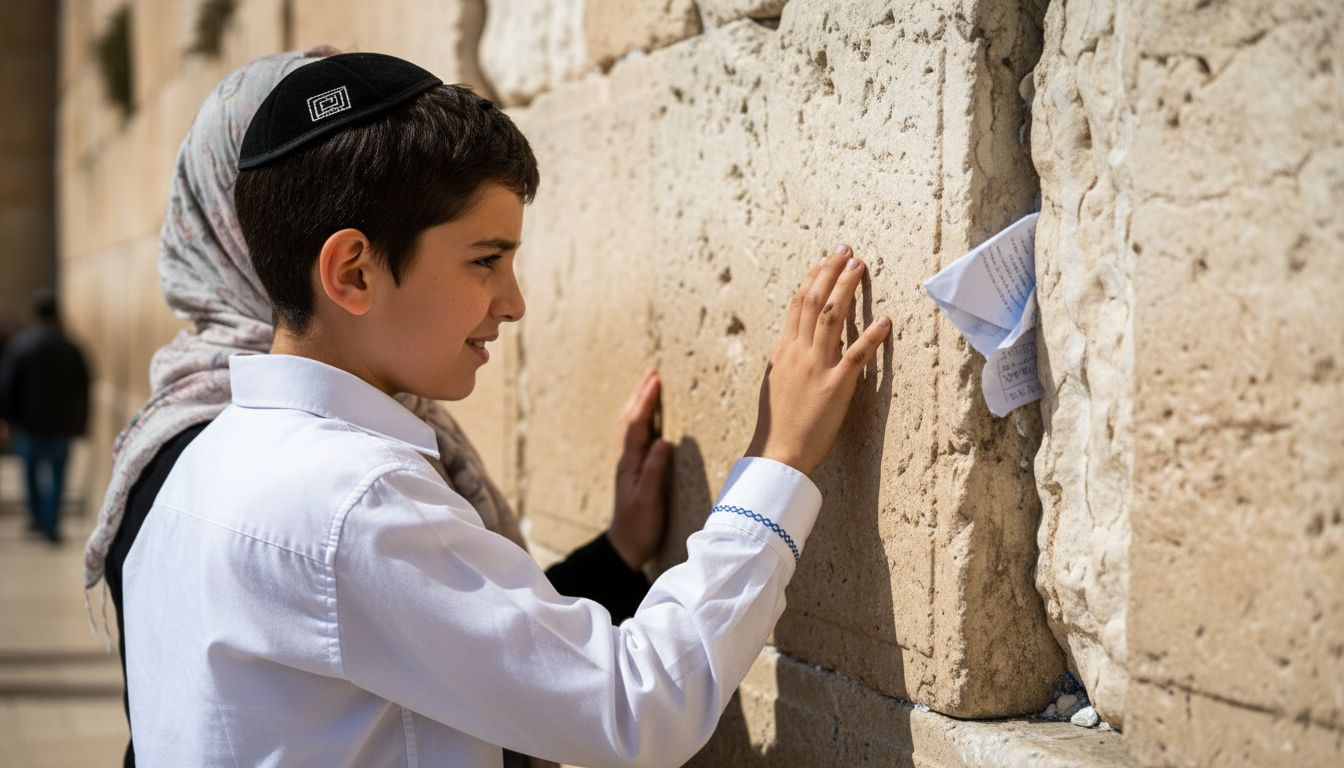
When your thirteen-year-old prays at the Western Wall or walks through Jerusalem’s Old City streets, they’re not learning about Jewish history in the abstract anymore. They’re living it. They’re standing where their ancestors stood, understanding viscerally that they’re part of a continuous chain of generations.
Identity Formation Through Experience
Research shows that spiritually significant travel experiences deepen faith-based identities and values, creating lasting meaning beyond what classroom education alone can achieve. Your child internalizes “I am Jewish” differently when they’ve led a service in an ancient synagogue than when they’ve only read about it.
The transformation happens through multiple channels simultaneously:
Emotional connection to Jewish history becomes personal, not theoretical
Peer experiences with Israeli youth their age show them a living, vibrant Jewish culture beyond their hometown
Family bonding around shared spiritual moments creates memories that reinforce identity
Ownership of values deepens when your child actively participates in mitzvot and rituals
Understanding of belonging to something larger than themselves solidifies identity for life
This isn’t passive tourism. Immersive Jewish spiritual practices like observing mitzvot and communal reflection create experiences that actively reinforce core Jewish values. Your child isn’t just visiting; they’re practicing.
Identity shifts happen when kids move from thinking about Judaism to living Judaism in an environment where it’s central.
Many families report that their child’s relationship with their faith fundamentally changes after a mitzvah trip. They see Judaism not as something imposed by parents or traditions, but as a living choice that connects them to community, history, and meaning.
The values piece matters too. Serving others through community projects in Israel, learning from local educators about Israeli Judaism, and experiencing how diaspora connects to the Jewish homeland all reshape what your child believes Judaism means and why it matters.
Pro tip: Encourage your child to journal or record voice memos during the trip about moments when they feel their Jewish identity shift—these reflections help solidify the changes and give you insight into their transformation.
Role of Family Bonding in Spiritual Growth
Spiritual growth doesn’t happen in isolation. When your family shares meaningful experiences together, something shifts. The vulnerability of exploring faith as a unit creates bonds that last far beyond the trip itself.
A mitzvah trip puts your family in an intentional space where everyday distractions fade away. No work emails, school stress, or household routines. Instead, you’re navigating ancient streets together, processing emotional moments together, and asking big questions together about what your faith means.
How Shared Experiences Transform Relationships
Shared spiritual experiences strengthen family relationships and support spiritual growth by fostering belonging and mutual support. This isn’t accidental. When your teen leads a service while you’re watching from a few feet away at the Western Wall, you’re both experiencing something you’ll carry forever.
Family bonding during spiritual moments works differently than bonding over vacation activities. It’s deeper because it involves vulnerability, meaning-making, and mutual discovery. Your child sees you moved by prayer. You see your child step into their adult Jewish identity. A grandparent reconnects with heritage they thought they’d lost.
These moments create what researchers call collective spiritual enrichment:
Shared vulnerability when discussing faith, identity, and what matters most
Mutual support as family members navigate emotional or spiritual moments together
Common memory anchors that become reference points for family conversations for years
Deepened understanding of each other’s values and spiritual perspectives
Renewed connection to family identity and continuity across generations
Parents often report that conversations with their teenagers shift after a mitzvah trip. Suddenly, discussing Judaism, values, and identity feels natural rather than forced. The trip created space for that conversation to happen.
Group dynamics during spiritual travel contribute significantly to family bonding and collective spiritual enrichment. Whether it’s processing emotions after visiting Yad Vashem, laughing together during an unexpected adventure, or sitting quietly watching Jerusalem’s sunset, these moments strengthen your family fabric.
Families that grow spiritually together develop a shared language for discussing meaning, values, and identity that strengthens them long after the trip ends.
This is especially powerful during your child’s Bar or Bat Mitzvah year. They’re asking “Who am I?” and “What do I believe?” Having your family answer those questions together in Israel creates an anchor point for their emerging identity.
Pro tip: Establish a nightly family reflection time during the trip where everyone shares one moment that moved them that day—this simple ritual deepens bonding and helps integrate experiences into your family story.
Common Pitfalls and How to Avoid Them
Not every mitzvah trip delivers spiritual enrichment. Some families return home with great photos but little transformation. The difference often comes down to avoiding common traps that turn meaningful journeys into expensive vacations.
Understanding what derails spiritual growth helps you build a trip that actually delivers on its promise. These pitfalls are predictable and preventable with intentional planning.
The Most Common Mistakes
Treating it like a tourism checklist is perhaps the biggest mistake. Rushing through sites, checking boxes, and moving constantly prevents the reflection and emotional processing that creates spiritual growth. Your child needs time to sit with experiences, not just photograph them.
Confusing spirituality with entertainment happens when itineraries prioritize fun over meaning. A zip-line adventure is enjoyable, but superficial engagement and lack of clear purpose undermine genuine spiritual growth in spiritual journeys. Balance activities intentionally.
Ignoring your family’s actual spiritual level causes disconnection. If your child hasn’t engaged deeply with Judaism at home, a packed religious schedule in Israel will feel overwhelming rather than meaningful. Match activities to your family’s starting point.
Letting commercialization drive decisions pulls focus from transformation. Some tours prioritize profit over purpose, overloading schedules and emphasizing shopping or entertainment. Spiritual commodification can distort the authentic, transformative quest that creates lasting change.
Failing to prepare emotionally leaves families unprepared for profound moments. Visiting Yad Vashem or the Western Wall without discussing what to expect emotionally means missing the opportunity for processed growth.
The table below summarizes common pitfalls and effective strategies to ensure spiritual enrichment on your mitzvah trip:
Pitfall | Consequence | Prevention Strategy |
Treating trip as a checklist | Missed emotional impact | Focus on depth, not quantity |
Overemphasizing entertainment | Lack of spiritual growth | Prioritize meaning-driven activities |
Ignoring family spiritual baseline | Disengagement or overwhelm | Match trip to family’s current level |
Commercialized tour choices | Reduced authenticity | Choose spiritually-focused operators |
Lack of emotional preparation | Unprocessed, shallow experiences | Have pre-trip discussions and reflections |
Here’s how to prevent these pitfalls:
Set clear intentions before the trip about what spiritual growth looks like for your family
Build in unscheduled time for reflection, processing, and spontaneous moments
Prioritize depth over quantity in activities and locations
Prepare emotionally with pre-trip conversations about what you’ll encounter
Choose operators carefully who prioritize spiritual integrity over packed itineraries
Include family discussion time daily to integrate experiences
The best mitzvah trips feel less like checklists and more like intentional journeys designed specifically for your family’s spiritual needs.
Your goal isn’t to do everything in Israel. It’s to create conditions where spiritual transformation becomes possible. Fewer activities done with presence and intention beats an exhausting whirlwind of sites.
Pro tip: Review potential tour operators’ daily schedules and philosophy—if their itinerary feels packed with activities and lacks dedicated reflection time, keep looking for one that prioritizes your family’s spiritual depth.
Create Lasting Spiritual Enrichment on Your Family’s Mitzvah Trip
The challenge many families face is turning a mitzvah trip from a simple vacation into a deeply meaningful spiritual journey. This article highlights common pitfalls like rushing through sites or missing reflection time, which can leave the trip feeling superficial instead of transformative. Your goal is to craft an experience where your child and your family connect emotionally with Jewish history, values, and identity through intentional activities, authentic locations, and shared family moments.
At Bnei Mitzvah, we specialize in designing Bar and Bat Mitzvah tours that focus on spiritual enrichment by blending meaningful rituals, sacred site visits, opportunities for reflection, and community engagement. We understand the importance of balancing structured experiences with unscheduled time for your family to bond and process your journey together. Our expertise ensures your mitzvah trip supports real transformation instead of just checklists or entertainment.
Start planning your spiritually enriching mitzvah trip today with Bnei Mitzvah. Explore how our thoughtfully crafted itineraries create unforgettable, heart and soul moments for the whole family. Discover the difference a guided journey with intention can make and give your child memories of their Jewish identity that will last a lifetime. Visit our website now to learn more and take the first step toward a meaningful celebration.
Frequently Asked Questions
What is spiritual enrichment on a mitzvah trip?
Spiritual enrichment on a mitzvah trip refers to creating deep personal connections to your heritage, faith, and family through intentional experiences rather than just completing a religious obligation.
How can families ensure a spiritually enriching mitzvah trip?
Families can ensure a spiritually enriching trip by focusing on meaningful locations, engaging in authentic activities, allowing for personal reflection, and fostering family moments that create shared understanding.
What types of activities contribute to spiritual growth during a mitzvah trip?
Activities that contribute to spiritual growth include prayer and ritual observance at significant sites, sacred site visitation, study sessions with local educators, community service, and family reflection time.
Why is family bonding important for spiritual growth during a mitzvah trip?
Family bonding is important because shared spiritual experiences foster belonging, mutual support, and deeper connections, allowing each family member to explore their faith together and reinforcing their collective identity.
Recommended
Comments