Role of Volunteers in Jewish Trips: A Family Guide
- שי דוד

- Jun 17
- 7 min read
TL;DR:
Volunteering has become a central and transformative component of modern Jewish group trips to Israel since late 2023. Participants engage in purposeful physical work such as rebuilding, agricultural support, and logistical assistance, fostering cultural identity and solidarity. Preparation, program structure, and understanding of emotional demands are essential for meaningful and impactful service experiences.
Volunteers in Jewish trips are defined as participants who contribute hands-on service to Israeli and diaspora communities as a core part of their travel experience. This is also called “voluntourism” or service travel within the Jewish community. Since late 2023, community service has become central to nearly every organized group trip to Israel. Programs like Israel Free Spirit, Birthright Israel, and Jewish Federation of Greater Washington initiatives have made the role of volunteers in Jewish trips a defining feature of modern Jewish group travel. Volunteering is no longer optional enrichment. It is the point.
What does the role of volunteers in jewish trips actually look like?
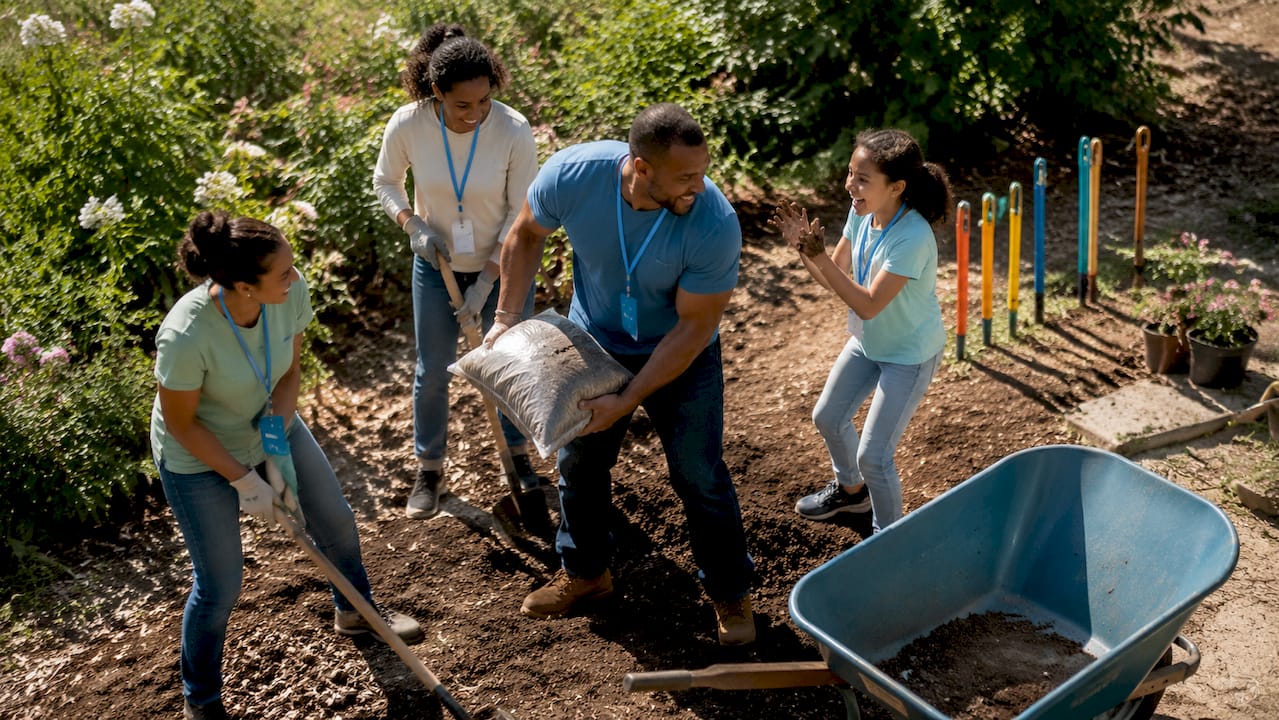
Volunteer activities on Jewish trips are structured, purposeful, and physically real. You are not painting a mural for a photo opportunity. You are doing recovery work, agricultural labor, and logistical support for communities that need it.
Common tasks include:
Rebuilding and restoration work in communities affected by conflict, including clearing debris and repairing structures
Agricultural support such as harvesting crops on farms near border communities where regular workers have been displaced
Logistical assistance at community centers, food distribution points, and shelters
Cultural and educational engagement including visits to impacted sites like Nir Oz, where the Jewish Federation of Greater Washington’s Kesher Nir Oz program runs an 8-day subsidized mission combining hands-on work with direct community exposure
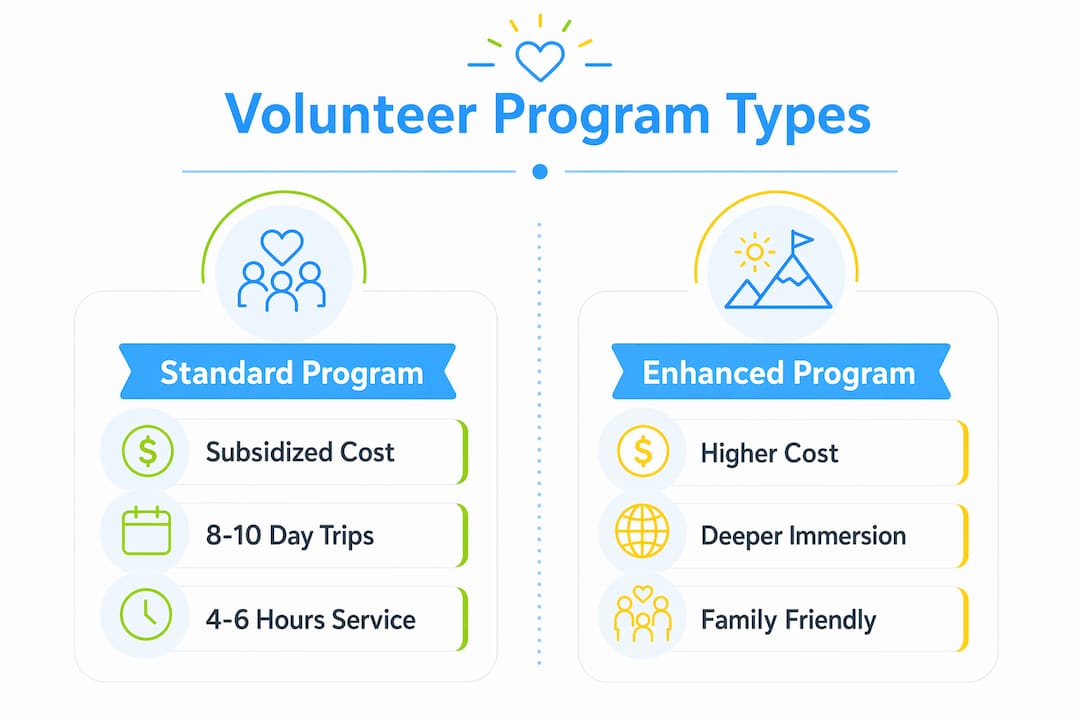
Standard volunteer trips run 8–10 days with 4–6 hours of daily service. That leaves meaningful time for touring, reflection, and cultural programming. The structure is intentional. You work hard in the morning, then process what you experienced in the afternoon.
Pro Tip: Ask your program coordinator for a sample daily schedule before you book. A well-designed trip balances service hours with touring and group reflection so neither feels rushed.
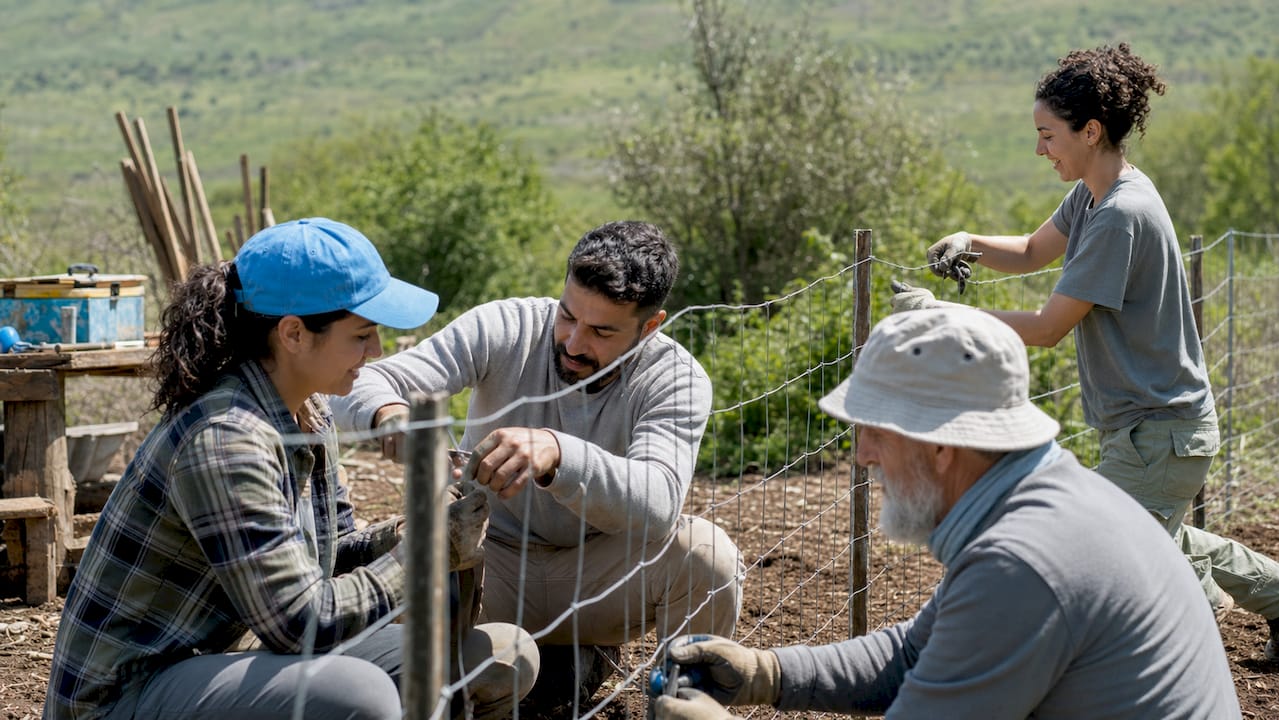
The settings vary widely. Some groups work in agricultural communities in the Galilee. Others support urban recovery projects in the south. Diaspora-related projects also exist, connecting volunteers to Jewish communities outside Israel through cultural exchange and documentation work.
How does volunteering shape cultural identity on jewish journeys?
Volunteering on Jewish trips is an expression of tikkun olam, the Jewish value of repairing the world through direct action. This is not abstract theology. It shows up in the physical act of clearing a field or rebuilding a fence alongside people whose lives were upended.
“Volun-touring provides tangible, non-verbal support that aids emotional healing for both visitors and host communities.” — ICEJ Hands-On Tour
That quote captures something most travel itineraries miss. Working alongside Israeli families creates a form of solidarity that no museum visit can replicate. The impact of volunteers in Jewish tours on cultural identity is measurable and lasting.
Since October 7, this dynamic has deepened. Nearly 4,000 volunteers have traveled to Israel through programs like Israel Free Spirit for service-heavy trips. That number reflects a genuine shift in how Jewish travelers understand their connection to Israel. Showing up with your hands, not just your wallet, changes the relationship.
Shared labor also builds bonds between travelers. Families and individuals who work together through physically demanding days form connections that outlast the trip. The importance of volunteerism in Jewish journeys is not just about the communities you serve. It is about who you become in the process.
How do volunteer program options compare?
Not all volunteer programs are structured the same way. Cost, age eligibility, and program depth vary significantly. Here is a direct comparison of what you will typically encounter:
Feature | Standard Program | Enhanced (Volunteer+) |
Cost | Subsidized, some fully free for ages 18–50 | Additional fee of $613 or more |
Daily service hours | 4–6 hours | 6+ hours with deeper project immersion |
Touring included | Yes, integrated | Limited, service-focused |
Age range | Typically 18–50 | Varies by program |
Accommodations | Standard group housing | May include upgraded options |
Program costs range from $250 to $900+ depending on subsidies and accommodation levels. Fully subsidized spots exist but fill quickly, especially for peak travel seasons.
Before you register, confirm these details:
Insurance coverage: Does the program provide on-ground medical insurance? Clarify emergency evacuation procedures before you commit, not after you arrive.
Physical requirements: Some tasks involve heavy lifting, outdoor heat, and extended standing. Know what you are signing up for.
Mental health support: Programs vary in how much structured debriefing they offer after difficult site visits.
The difference between a standard and an enhanced program is not just cost. It is depth of immersion. Families with younger participants often do better in standard programs where touring provides emotional balance to the service work.
How should families and individuals prepare for jewish service trips?
Preparation for a Jewish community service trip goes beyond packing the right shoes. The physical and emotional demands are real, and organizers stress that volunteers must prepare mentally for repetitive, messy recovery work alongside the physical readiness.
Here is a practical preparation sequence:
Assess your physical baseline. If your daily routine does not include manual labor, start walking 30–45 minutes daily at least four weeks before departure.
Research the communities you will serve. Understanding the history of a place like Nir Oz before you arrive transforms the work from task completion to genuine connection.
Review emergency protocols. Confirm the program’s medical evacuation plan and know the name of your on-ground emergency contact from day one.
Set emotional expectations as a family. Witnessing trauma sites is part of many itineraries. Talk with your children or travel companions about what that might feel like before you go.
Build in reflection time. The best experiential learning on Jewish trips happens when you process what you did, not just what you saw.
Pro Tip: Bring a small journal. Writing three sentences each evening about what you did, what surprised you, and what you felt is the fastest way to turn a good trip into a lasting memory.
Intergenerational participation works best when each family member has a defined role. Younger participants often thrive in agricultural tasks. Adults with professional skills can contribute to logistical or organizational work. The trip becomes richer when everyone contributes something specific.
Key takeaways
Volunteers in Jewish trips are the connective tissue between cultural identity and community action. Service travel is not an add-on. It is the core of what makes these trips transformative.
Point | Details |
Volunteering is now standard | Since late 2023, community service is a central component of nearly every organized Jewish group trip. |
Daily structure matters | Trips run 8–10 days with 4–6 hours of service daily, balanced with touring and reflection. |
Programs vary in cost and depth | Costs range from subsidized to $900+; enhanced programs offer deeper immersion for an added fee. |
Preparation is non-negotiable | Confirm insurance, build physical stamina, and set emotional expectations before departure. |
Identity grows through service | Shared labor builds Jewish and Zionist identity more durably than sightseeing alone. |
What i have learned organizing jewish service travel
I have spent years watching families arrive at volunteer sites with good intentions and leave with something they did not expect: a sense of personal responsibility for a place they had only read about before. That shift does not happen from a tour bus. It happens when your hands are in the soil of a farm that was abandoned after October 7.
The conventional wisdom says volunteering is about giving back. My experience says it is equally about receiving. You receive context, connection, and a version of Jewish identity that is grounded in action rather than memory. That is harder to manufacture and far more durable.
The challenge I see most often is families underestimating the emotional weight of the work. Visiting a site like Nir Oz is not like visiting a historical monument. The trauma is recent and visible. Families who prepare for that reality, who talk about it before they go, come back changed in the best way. Families who do not prepare sometimes struggle to integrate what they experienced.
The reward is proportional to the preparation. Every time.
— Shay
Plan a jewish service trip your family will never forget
Bneimitzvahtrip designs Jewish travel experiences that weave meaningful service into every itinerary. Whether you are planning a Bar or Bat Mitzvah celebration or a family heritage trip, the programs combine hands-on community engagement with visits to Israel’s most significant cultural and spiritual sites.

With over 20 years of expertise in Jewish experiential travel, Bneimitzvahtrip builds trips where volunteering is not an afterthought. It is woven into the experience from day one. Explore the full range of planned tours for families and see how service, celebration, and cultural connection come together in one unforgettable trip to Israel.
FAQ
What is the role of volunteers in jewish trips?
Volunteers in Jewish trips provide hands-on community service, including rebuilding, agricultural work, and logistical support, as a core part of their travel experience. This service expresses the Jewish value of tikkun olam and deepens cultural connection to Israel.
How many hours a day do volunteers work on jewish trips?
Standard programs include 4–6 hours of daily service over an 8–10 day trip. The remaining time is typically devoted to touring, group reflection, and cultural programming.
Are jewish volunteer trips suitable for families with children?
Yes, many programs accommodate families, though parents should review physical requirements and emotional content in advance. Standard programs with integrated touring tend to work better for younger participants than service-only formats.
What does a jewish volunteer trip cost?
Costs range from approximately $250 to $900+ depending on subsidies, accommodations, and program type. Fully subsidized spots are available for eligible participants aged 18–50 but fill quickly.
What should i confirm before joining a jewish service trip?
Confirm on-ground insurance coverage and emergency medical evacuation procedures before registering. Also verify daily service requirements and whether mental health debriefing is included in the program structure.
Recommended
Comments