What is a mitzvah ceremony: meaningful guide for 2026
- Beni Levin

- Mar 13
- 9 min read
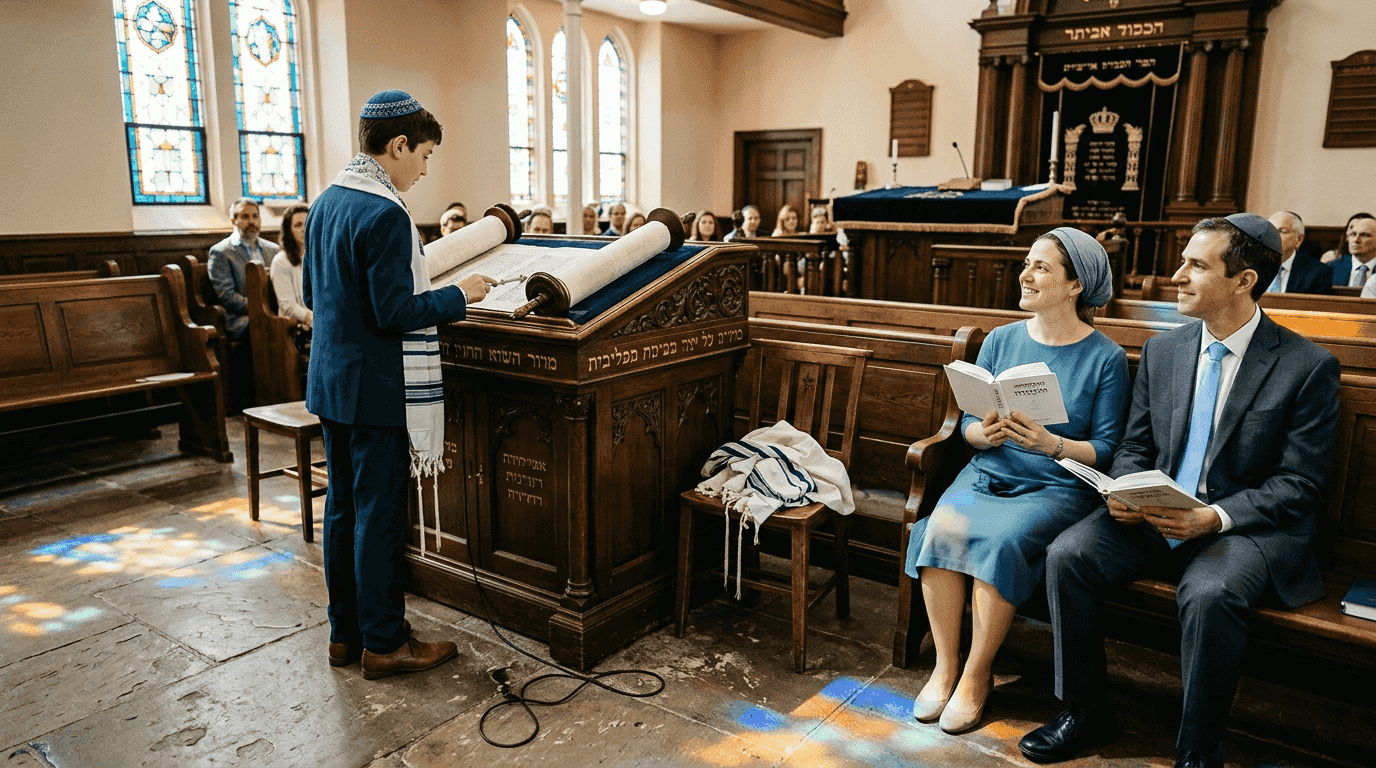
Many families think a mitzvah ceremony is simply a party, but it represents a profound religious milestone marking a child’s transition to Jewish adulthood. The ceremony involves Torah reading, leading prayers, and accepting responsibility for commandments. Beyond the celebration, it offers opportunities for spiritual growth, cultural connection, and family bonding. This guide explains what a mitzvah ceremony truly means, how it varies across Jewish traditions, and how families can create deeply meaningful experiences through educational travel to Israel that strengthen faith and heritage.
Table of Contents
Ceremony Customs And Their Broader Social And Educational Significance
Planning A Mitzvah Ceremony Combined With An Educational Israel Travel Experience
Creating A Meaningful Mitzvah Ceremony Experience: Expert Insights And Family Preparation Tips
Make Your Mitzvah Ceremony Unforgettable With A Tailored Israel Tour
Key takeaways
Point | Details |
Religious milestone | The mitzvah ceremony marks a child’s transition to Jewish religious adulthood and acceptance of commandments. |
Age and tradition | Boys celebrate Bar Mitzvah at 13, girls celebrate Bat Mitzvah at 12 or 13, with customs varying by denomination. |
Israel travel benefits | Educational trips to Israel deepen spiritual connections and create lasting family memories beyond traditional parties. |
Cost considerations | Combined ceremony and Israel travel ranges from $8,000 to $50,000+ depending on style and duration. |
Life skills development | Ceremony preparation teaches leadership, resilience, and cultural fluency valuable throughout life. |
Understanding what the mitzvah ceremony is and its meaning
The Bar Mitzvah ceremony marks religious adulthood for boys at age 13, while the Bat Mitzvah occurs at 12 or 13 for girls. These ceremonies represent far more than social celebrations. They signify that a young person becomes accountable for observing Jewish law and can participate fully in religious life.
The ceremony involves specific ritual components including Torah reading, leading prayers, and delivering a speech that demonstrates understanding of Jewish teachings. The child typically reads from the Torah portion for that week, chants the Haftarah, and shares insights about the text’s meaning. This public demonstration shows the community that the young person has studied diligently and is ready to take on adult religious responsibilities.
Ceremony customs differ significantly across Jewish denominations:
Orthodox communities maintain traditional separation, with boys reading Torah in the main sanctuary while girls may celebrate in separate settings
Conservative synagogues typically allow both boys and girls to read Torah and lead services equally
Reform congregations often emphasize personal interpretation and may include creative elements alongside traditional rituals
Reconstructionist and other progressive movements focus on egalitarian practices and community involvement
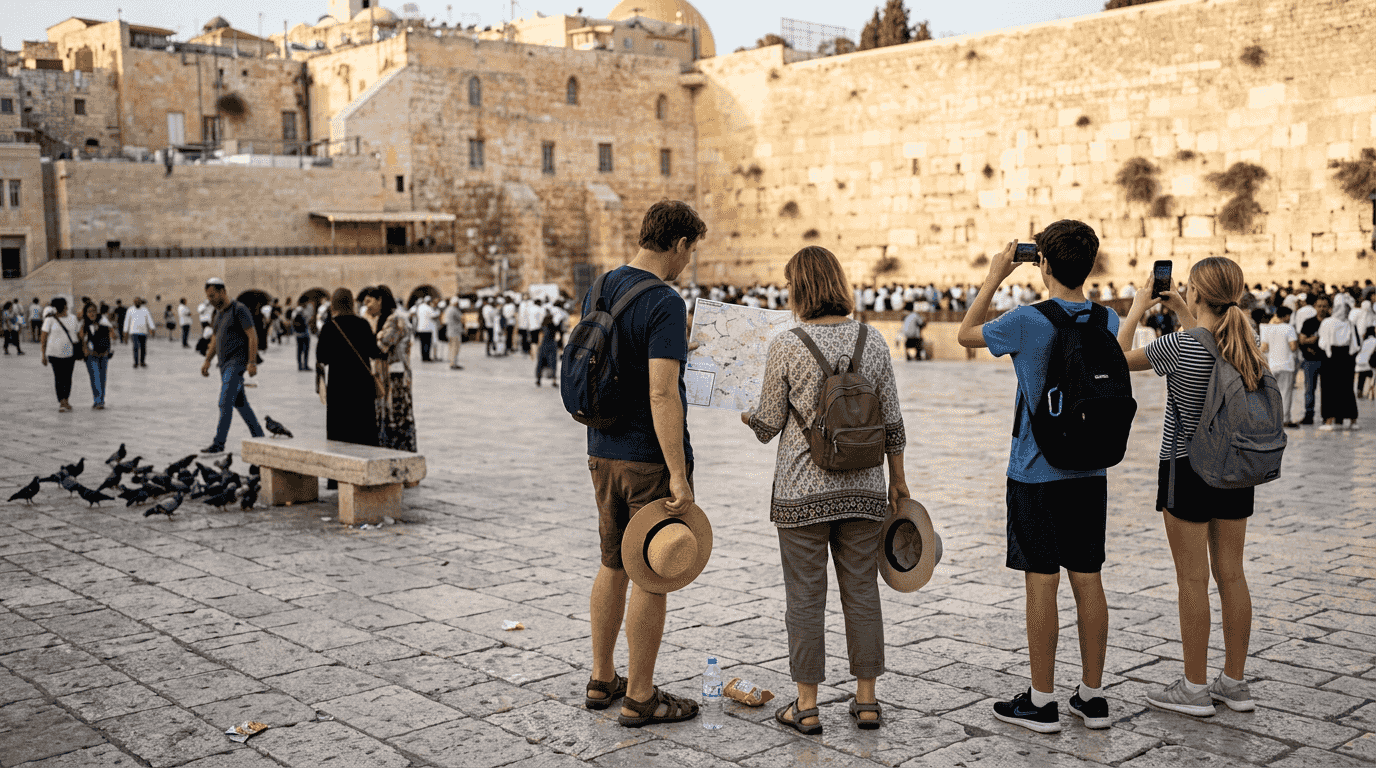
Families planning a planned bar mitzvah tour to Israel can incorporate these ceremonial elements at sacred sites, adding profound meaning to the experience. The Western Wall, ancient synagogues, and historic locations provide powerful settings for this life transition. Each family shapes the ceremony to reflect their values, denominational practices, and the child’s personality.
Pro Tip: Start Torah portion study at least six months before the ceremony date to allow time for the child to master Hebrew pronunciation, understand the text’s meaning, and develop confidence in public speaking.
Ceremony customs and their broader social and educational significance
The mitzvah ceremony functions as more than a religious rite. Research shows it serves as cultural passageway where sacred practices intersect with secular aspirations, creating a structured rehearsal for adulthood. The months of preparation teach discipline, time management, and perseverance as children balance regular schoolwork with Hebrew lessons, Torah study, and speech writing.
This preparation period transmits valuable life skills:
Public speaking confidence through repeated practice of Torah reading and speech delivery
Project management abilities as families coordinate multiple ceremony and celebration elements
Cultural literacy about Jewish history, values, and community expectations
Social navigation skills when interacting with extended family and community members
Emotional resilience when facing the pressure of public performance
Families and religious institutions collaborate to transmit cultural capital through every aspect of bar and bat mitzvah preparation and execution. The ceremony becomes a vehicle for teaching not just religious knowledge but also social fluency, leadership presence, and the ability to represent oneself confidently in formal settings. These competencies extend far beyond the synagogue into academic, professional, and personal contexts throughout life.
The social dimension carries equal weight with the religious one. Young people learn to manage relationships with tutors, rabbis, family members, and peers who attend the celebration. They practice gratitude by acknowledging those who supported their journey. They develop empathy by considering how their Torah portion’s themes apply to contemporary challenges.
“The bar/bat mitzvah marks the moment when a child’s religious obligations shift from parental responsibility to personal accountability, fundamentally changing their relationship with Jewish law and community.”
Families increasingly recognize these multidimensional benefits and seek experiences that maximize both spiritual and personal growth. A meaningful Israel bar mitzvah trip 2026 offers unique opportunities to deepen these lessons by connecting ceremony preparation with experiential learning at sites where Jewish history unfolded.
Pro Tip: Encourage your child to journal throughout the preparation process, recording insights about their Torah portion, feelings about the upcoming ceremony, and reflections on what becoming a bar or bat mitzvah means personally. This creates a meaningful keepsake and supports emotional processing.
Planning a mitzvah ceremony combined with an educational Israel travel experience
Combining the mitzvah ceremony with travel to Israel creates an experience that connects spiritual milestones with cultural heritage in powerful ways. Total costs for Israel trips typically range from $8,000 to $50,000+ for a family of four on a 7 to 10 day journey, depending on accommodation choices, tour inclusions, and celebration style. This compares favorably to traditional US parties costing $15,000 to $40,000 for the celebration alone, without the added educational and spiritual benefits.
Budget Tier | US Party Only | Israel Trip with Ceremony | Key Differences |
Budget | $8,000 to $15,000 | $8,000 to $15,000 | Israel option includes travel, ceremony at sacred sites, educational tours |
Mid Range | $15,000 to $30,000 | $15,000 to $30,000 | Comparable cost but Israel adds cultural immersion and family bonding time |
Luxury | $30,000 to $40,000+ | $30,000 to $50,000+ | Premium accommodations, private tours, exclusive venues in both options |
Ceremony venue options in Israel offer remarkable variety and significance. Most ceremony locations are free or carry modest fees, allowing families to allocate budget toward meaningful experiences rather than venue rental. Popular choices include:
Western Wall plaza for powerful public ceremonies in Judaism’s holiest accessible site
Ancient synagogues in the Jewish Quarter offering intimate settings steeped in history
Masada summit for sunrise ceremonies with breathtaking desert views
Tzfat (Safed) mystical locations connecting to Kabbalah traditions
Archaeological sites where Jewish communities thrived centuries ago
The benefits of celebrating in Israel extend beyond cost considerations. Families report that experiencing Jewish history firsthand transforms abstract concepts into tangible reality for young people. Walking through Jerusalem’s ancient streets, touching stones from the Second Temple period, and standing where prophets taught creates lasting impressions that deepen Jewish identity.
Practical planning tips for a successful combined experience:
Book flights and accommodations 6 to 9 months ahead for better rates and availability
Coordinate with a rabbi or Torah reader in Israel at least 3 months before travel
Schedule the ceremony mid trip so family can adjust to time zones and enjoy relaxed celebration
Balance touring with downtime to prevent exhaustion and allow reflection
Include extended family members when possible to strengthen multi generational bonds
Explore bar mitzvah tour pricing options that fit your family’s budget and preferences. Professional tour operators handle logistics, arrange ceremony details, and create itineraries balancing education, spirituality, and enjoyment. Review planned bar bat mitzvah tours to see comprehensive packages designed specifically for families celebrating this milestone.
Pro Tip: Consider traveling during shoulder seasons like April, May, October, or November when weather remains pleasant but crowds thin and prices drop compared to peak summer months.
Creating a meaningful mitzvah ceremony experience: expert insights and family preparation tips
Transforming a mitzvah ceremony from obligation into profound experience requires intentional preparation that engages heart and mind. Educational travel to Israel provides opportunities for children to connect with roots and gain deeper faith understanding, but families must approach the journey with clear intentions and thoughtful planning.
Follow these steps to prepare emotionally and spiritually:
Begin family discussions about Jewish identity and values 6 to 12 months before the ceremony, exploring what being Jewish means to each family member and how the mitzvah ceremony fits into your family’s story.
Study the Torah portion together as a family, not just as the child’s solo project, discussing themes and how they apply to contemporary life and personal challenges.
Visit local Jewish museums, Holocaust memorials, or cultural centers to build context before traveling to Israel, helping children understand the broader historical narrative they’re joining.
Create a family mission statement for the trip identifying what you hope to learn, experience, and remember, then use this to guide activity choices and daily reflections.
Establish pre trip rituals like Shabbat dinners or Jewish holiday observances to strengthen religious practice and create continuity between home life and the ceremony.
Connect with other families who have celebrated in Israel to learn from their experiences and gather practical advice about logistics and meaningful activities.
Selecting meaningful locations and activities during your Israel trip enhances connection beyond typical tourist experiences. Focus on sites that relate directly to your child’s Torah portion themes or family heritage. If your portion discusses leadership, visit locations where Israeli leaders made pivotal decisions. If it addresses justice, explore organizations working on social issues and arrange volunteer opportunities.
Incorporate personal and religious milestones throughout the journey:
Commission a custom tallit (prayer shawl) from Jerusalem artisans that your child wears for the first time at the ceremony
Plant a tree in your family’s name at a reforestation site, symbolizing growth and rootedness
Collect stones from significant locations to create a memory jar displayed at home
Record video messages at various sites for your child to watch on future milestone birthdays
Arrange a private meeting with an Israeli family for Shabbat dinner to build cross cultural connections
Balancing tradition with modern family values maximizes significance for everyone involved. Some families blend traditional Torah readings with contemporary music, personal poetry, or multimedia presentations that reflect the child’s interests and personality. Others maintain strict traditional formats but add family participation elements where parents, siblings, and grandparents share blessings or reflections.
Engage all generations by assigning meaningful roles that honor each person’s relationship with the bar or bat mitzvah. Grandparents might share family history stories, younger siblings could present handmade gifts, and parents can offer blessings that acknowledge their child’s unique qualities and aspirations. Review planning a bar mitzvah tour to Israel for detailed guidance on creating inclusive, memorable celebrations.
Consult the Israel sightseeing guide to discover locations that combine education, spirituality, and family friendly activities, ensuring every family member finds aspects of the journey personally meaningful.
Pro Tip: Create a “ceremony capsule” before traveling that includes letters from family members, photos, and mementos representing your child’s interests and dreams, then open it together in Israel at a significant site, adding items collected during the trip before sealing it to open on a future milestone.
Make your mitzvah ceremony unforgettable with a tailored Israel tour
Planning a mitzvah ceremony combined with Israel travel involves countless details, from coordinating ceremony logistics to designing an itinerary that balances education, spirituality, and enjoyment. Professional guidance transforms this complex process into a smooth, meaningful journey.
At Bnei Mitzvah, we specialize in creating unforgettable bar mitzvah tour and bat mitzvah tours that combine ceremony planning with immersive Israel experiences. Our team handles venue arrangements, Torah reader coordination, and travel logistics while you focus on the spiritual and emotional preparation that makes this milestone truly meaningful. With over 20 years of expertise in experiential travel and event planning, we design itineraries featuring sacred sites, inspiring stories, engaging activities, and exceptional culinary experiences that resonate with your family’s values. Explore our planned bar bat mitzvah tours to discover how we can help you create a celebration that deepens faith, strengthens family bonds, and builds lasting memories.
FAQ
What age is a Bar or Bat Mitzvah ceremony?
Bar Mitzvah ceremonies traditionally occur when boys turn 13 years old, marking their transition to religious adulthood in Jewish law. Bat Mitzvah ceremonies typically take place when girls reach 12 or 13 years old, though the specific age varies by denomination and community custom. Some progressive communities celebrate both at age 13 regardless of gender, while Orthodox communities may observe different practices for girls.
How much does a mitzvah ceremony in Israel typically cost?
Costs for a mitzvah ceremony in Israel range from $8,000 to $50,000+ for a family of four on a 7 to 10 day trip, depending on accommodation level, tour inclusions, and celebration style. Ceremony venues themselves are often free or modestly priced, with the Western Wall and many ancient synagogues charging nothing for ceremonies. The bulk of expenses come from international flights, hotels, guided tours, meals, and any private celebration dinner or party you choose to host. Check mitzvah ceremony cost details to find options matching your budget.
What are the benefits of celebrating a mitzvah ceremony in Israel?
Celebrating in Israel creates profound connections with Jewish heritage by experiencing history firsthand at sites where biblical events occurred and Jewish civilization flourished. The journey offers educational opportunities that transform abstract religious concepts into tangible reality, deepening your child’s Jewish identity and faith understanding. Families report that shared travel experiences create lasting bonds and memories far beyond what traditional parties provide. The combination of ceremony and exploration makes the milestone more meaningful for the entire family. Learn more about benefits of Israel mitzvah trip planning.
How can families make the mitzvah ceremony meaningful beyond the celebration?
Focus on faith education and personal growth by engaging deeply with Torah study, Jewish history, and values discussions throughout the preparation period. Incorporate family traditions, involve multiple generations in ceremony roles, and create opportunities for the child to reflect on what this transition means personally. Plan educational activities during travel that connect to Torah portion themes or family heritage, and arrange volunteer or community service projects that embody Jewish values of tikkun olam (repairing the world). Review planning a meaningful mitzvah strategies for comprehensive guidance on creating ceremonies that resonate long after the celebration ends.
Recommended
Comments