All About Jewish Values in Travel: a Family Guide
- שי דוד

- May 27
- 7 min read
TL;DR:
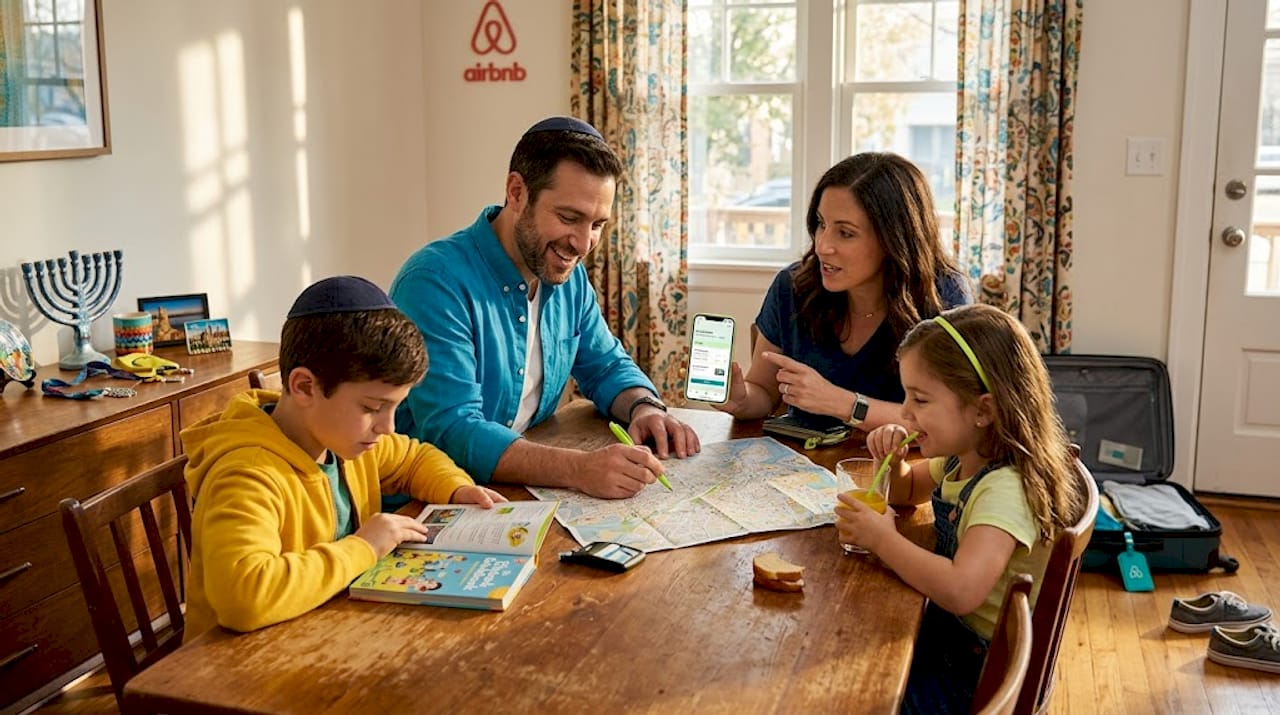
Travel is a reflection of Jewish identity, emphasizing values like respect, kashrut, and community engagement. Proper planning for kosher foods and Shabbat observance enhances the experience, whether with private guides or group tours. Jewish heritage travel transforms history into personal connection, especially during significant milestones like Bar and Bat Mitzvahs.
Most people think of travel as a break from regular life. For Jewish families, though, travel is anything but a pause. It’s a continuation of identity, a living expression of values that show up in every meal, every prayer, every interaction with a new community. Understanding all about jewish values in travel means recognizing that how you travel matters just as much as where you go. From kashrut observance to Shabbat planning, from cultural humility to tikkun olam, Jewish travel principles shape the entire experience in ways that make the journey genuinely meaningful.
Table of Contents
Key takeaways
Point | Details |
Values drive every decision | Traveling with Jewish values means applying ethics like Kavod HaBriyot and kashrut to real travel choices. |
Practical prep prevents stress | Knowing kosher hotel rules and Shabbat protocols before you arrive saves confusion and keeps observance intact. |
Tour style reflects your values | Private and group tours both serve Jewish travelers differently; choosing wisely depends on your halachic priorities. |
Heritage travel builds identity | Visiting Jewish sites worldwide transforms abstract history into personal, living connection for families and children. |
Community ties travel together | Minyan access, shared Shabbat meals, and local Jewish engagement deepen any trip beyond ordinary tourism. |
All about Jewish values in travel: the core principles
Traveling with Jewish values is not a checklist. It’s a posture. The foundational Jewish value of Kavod HaBriyot, respect for human dignity, applies the moment you board a flight. It shapes how you treat hotel staff, how you respond to cultural differences, and how you carry yourself as a visible representative of Jewish identity abroad.
Several values consistently guide ethical and spiritually meaningful travel:
Derech eretz (respectful conduct): Humility and courtesy in foreign cultures is not just good manners. It’s a Jewish ethical obligation.
Kashrut observance: Maintaining dietary laws on the road requires preparation but affirms identity in a powerful, daily way.
Tefillah (prayer): Arranging minyan during travel keeps spiritual rhythm intact, even across time zones.
Talmud Torah (ongoing learning): Engaging with Jewish history and active Jewish communities abroad is itself a form of study.
Tikkun olam (repairing the world): Jewish group service trips increasingly frame travel around environmental stewardship and community service, recognizing that Jewish values extend to how we treat the planet.
Pro Tip: Before any international trip, look up local Jewish community centers or Chabad houses at your destination. They are often the fastest path to kosher meals, Shabbat hospitality, and minyan connection, no matter where you are in the world.
The cultural significance in Jewish travel goes beyond sightseeing. It’s about carrying your whole self into the world, not leaving your Jewishness at the departure gate.
Keeping kosher and Shabbat while traveling
This is where good intentions meet real-world logistics, and where preparation separates a stressful trip from a meaningful one.
Hotel breakfasts are a common stumbling block. Prepared items like waffles and boiled eggs raise kashrut concerns due to Bishul Akum restrictions, meaning food cooked by non-Jews may not be permissible. What is generally acceptable: fresh whole fruit, sealed certified kosher products, and unflavored black coffee. What to avoid: bakery items, cooked eggs even in-shell, and anything prepared in hotel kitchens without kosher supervision.
Here is a quick reference for common hotel food situations:
Hotel item | Permissibility |
Fresh whole fruit | Generally permitted |
Sealed kosher-certified product | Permitted |
Unflavored coffee (non-pod machine) | Generally permitted |
Single-use pod coffee machine | Generally acceptable |
Boiled eggs from hotel kitchen | Problematic (Bishul Akum) |
Hotel waffles or baked goods | Avoid |
Reheated food in shared microwave | Use only if food is double wrapped |
Shabbat in a hotel requires advance planning. Hotels often have automated sensors and electronic controls that conflict with Shabbat observance, so reviewing your room’s setup before Friday afternoon is critical. A “Do Not Disturb” sign on your door can prevent staff from entering and inadvertently triggering lights. Candle lighting alternatives, pre-set lamps, and confirming eruv availability in the area are all worth arranging before you arrive.
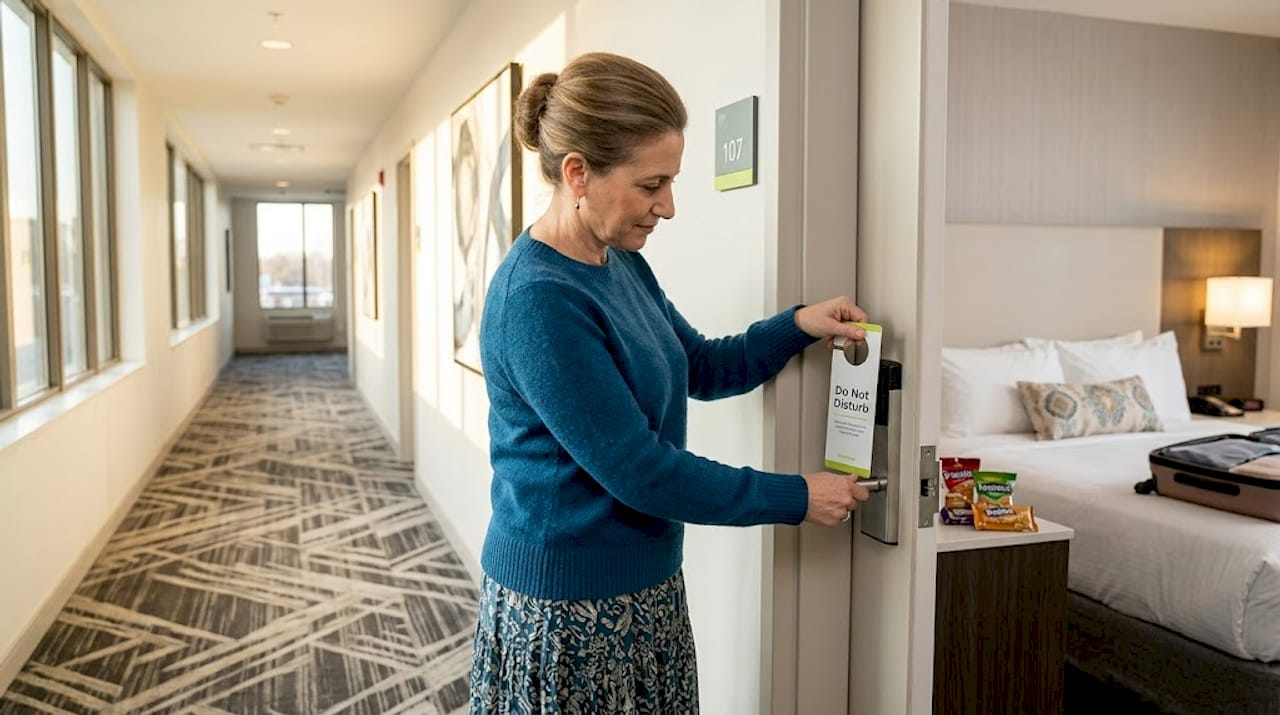
Pro Tip: Always travel with sealed kosher snacks and a few shelf-stable meals. Carrying adequate kosher provisions removes dependence on uncertain hotel options and keeps you focused on the experience, not the food anxiety.
Private guide vs. group tour: which fits your values?
How you incorporate Jewish values in travel also depends on who you travel with and how. Both private guides and group tours can be excellent. They just serve different priorities.

Feature | Private guide | Group tour |
Halachic flexibility | High: custom scheduling | Moderate: structured schedule |
Minyan availability | Requires personal planning | |
Kashrut supervision | Guide arranges as needed | Mashgiach often present |
Cost | Higher per person | More cost-efficient |
Social experience | Intimate, family-focused | Community bonds form naturally |
Shabbat scheduling | Fully customizable | Built into group itinerary |
Choosing between private and group travel comes down to lifestyle and what Jewish ethics in tourism look like for your family. Families with young children or specific halachic requirements often prefer the flexibility of a private guide. Families who want their children to form bonds with other Jewish kids, pray together, and share Shabbat tables tend to thrive in group settings.
The key considerations when deciding:
Do you need a mashgiach present at every meal?
Is daily minyan a non-negotiable or a nice-to-have?
Will your family’s pace align with a fixed group schedule?
How much social interaction do you want with other Jewish families?
Pro Tip: A hybrid approach works beautifully for many families. Join a group tour for Shabbat and major heritage sites, then break away with a private guide for personal or off-the-beaten-path experiences. You get community without sacrificing flexibility.
The cultural and spiritual power of Jewish heritage travel
Jewish heritage travel connects travelers emotionally and intellectually with their identity in ways that no classroom ever could. When a child stands at the Kotel, walks through the Jewish Quarter of Prague, or sits at a Shabbat table in Marrakech with a Moroccan Jewish family, something shifts. Abstract history becomes personal. Community values in travel become lived experience.
Some of the most impactful destinations for Jewish heritage travel include:
Israel: The single most concentrated geography of Jewish history, spirituality, and contemporary Jewish life on earth.
Prague: Home to one of Europe’s oldest Jewish quarters, with synagogues dating to the 13th century.
Morocco: A vibrant Sephardic heritage that surprises many Ashkenazi families with its warmth, depth, and beauty.
Poland: Painful but transformative for understanding the scope of Jewish civilization before the Holocaust.
The role of immersive experience matters enormously here. Attending a local synagogue service, sharing a Shabbat dinner with a host family, or participating in a traditional community celebration does more for Jewish identity than reading ten history books. For Bar and Bat Mitzvah families specifically, these experiences create a defining memory at exactly the right moment in a child’s life. They answer the question every 13-year-old deserves to have answered: Why does this matter?
My honest take on values-driven Jewish travel
I’ve seen families return from Israel transformed. Not because they visited famous sites, but because they traveled intentionally. The families who struggle on these trips are usually the ones who treated Jewish observance as a set of restrictions rather than a framework for deeper engagement.
In my experience, the biggest mistake travelers make is treating kashrut and Shabbat as inconveniences to manage rather than as anchors that actually make the trip more meaningful. When you pause for Shabbat in Jerusalem, you’re not missing out on activities. You’re doing the most Jewish thing possible in the most Jewish city on earth.
What I’ve learned from years of watching families navigate values-based travel is this: the practical stuff, the kosher food, the prayer timing, the Shabbat planning, becomes easy once you stop resisting it. What’s harder, and more rewarding, is showing up with genuine curiosity about the Jewish communities you encounter. That openness is where the real growth happens. Travel genuinely deepens Jewish roots when you let it.
— Shay
Plan a trip that honors your values
If everything in this article resonates with you, the next step is finding a travel experience designed to hold all of it together: the kashrut, the Shabbat, the heritage, and the celebration.

Bneimitzvahtrip has spent over 20 years building Bar and Bat Mitzvah tours in Israel that take Jewish values seriously without making the trip feel like a religious school field trip. Every itinerary includes meaningful heritage experiences, kosher culinary moments, spiritual enrichment, and space for your family to connect with each other and with Israel. Explore what each tour includes and find the experience that fits your family’s values, pace, and vision for this milestone.
FAQ
What does traveling with Jewish values actually mean?
Traveling with Jewish values means applying Jewish ethics like respect, kashrut, and community responsibility to every travel decision, from what you eat to how you interact with local cultures.
How do kosher travelers handle hotel food?
Fresh whole fruit, sealed certified kosher products, and unflavored coffee are generally acceptable. Prepared items like waffles, cooked eggs, and bakery goods raise kashrut concerns and are usually avoided.
What is the best way to observe Shabbat in a hotel?
Plan ahead by placing a “Do Not Disturb” sign on your door, pre-setting room lighting, and confirming local eruv or minyan options before Friday afternoon arrives.
Is a group tour or private guide better for observant Jewish travelers?
Group tours offer built-in minyan, mashgiach supervision, and community bonds. Private guides offer more halachic flexibility and custom scheduling. The right choice depends on your family’s priorities.
Why is Jewish heritage travel important for Bar and Bat Mitzvah families?
Visiting meaningful Jewish sites at the time of a Bar or Bat Mitzvah transforms the milestone from a ceremony into a living connection with Jewish history, community, and identity.
Recommended
Comments