How to Select Israel Tour Activities for 2026
- שי דוד

- Jul 13
- 7 min read

TL;DR:
Choosing meaningful, manageable, and memorable activities ensures a fulfilling Bar or Bat Mitzvah trip to Israel.
Balancing iconic sites with local experiences, planning early, and respecting Shabbat enhance the overall family experience.
Selecting the right Israel tour activities for a Bar or Bat Mitzvah trip means choosing experiences that resonate across generations, carry spiritual weight, and stay manageable for every family member. Knowing how to select Israel tour activities 2026 requires more than picking popular sites. It means balancing meaning, mobility, and stamina before you book a single ticket. This guide gives you a clear framework for building a 2026 Israel travel itinerary that your whole family will remember.
How to select Israel tour activities 2026: the core criteria
The three best filters for any activity are whether it is meaningful, manageable, and memorable. An activity is meaningful when it connects to the Bar or Bat Mitzvah milestone, whether through Jewish history, spiritual significance, or cultural immersion. It is manageable when every family member, from a grandparent to a ten-year-old, can participate without exhaustion. It is memorable when it creates a story the family retells for years.
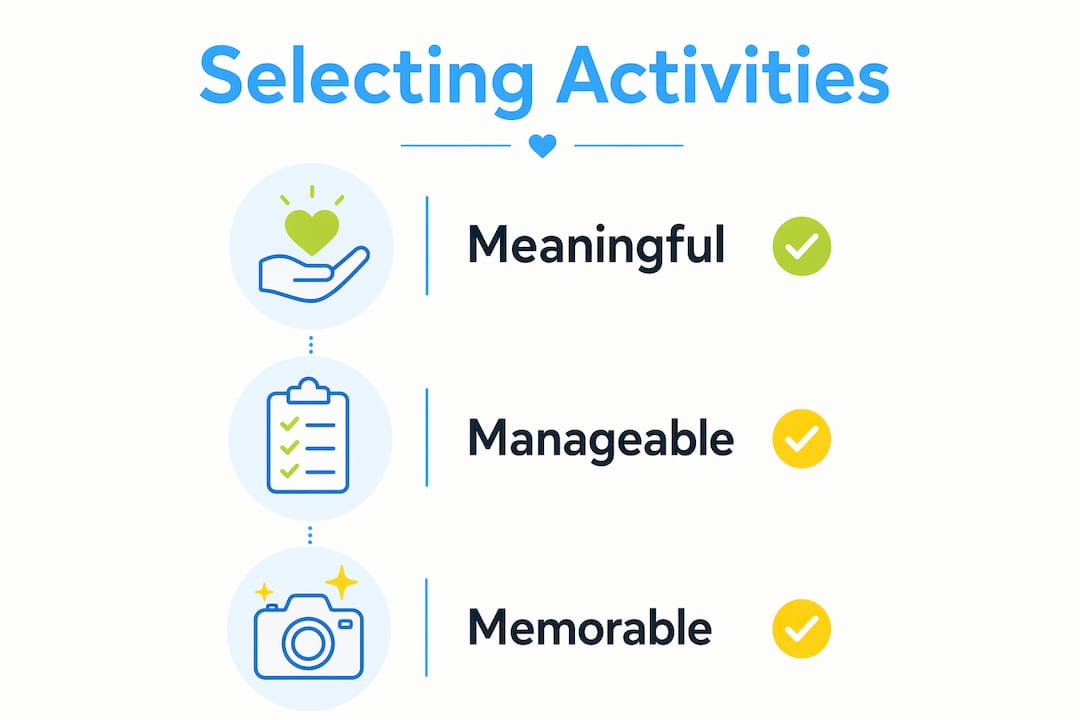
Planning activities that create a strong sense of place and accounting for group stamina before booking leads to more meaningful family trips. Resolving interest tensions, such as archaeology versus markets, in the planning phase prevents conflicts during the trip itself.
Key factors to evaluate before booking any activity:
Group stamina and mobility. Assess walking distances and physical demands honestly. A two-hour hike suits active teens but may exclude grandparents.
Age appropriateness. Interactive workshops and hands-on experiences hold teen attention far better than passive lectures.
Licensed guides. Families should prioritize licensed guides certified by Israel’s state-mandated program for deep expertise in archaeology, religion, and geography. Certification ensures depth that a self-guided audio tour cannot match.
Season and weather. Outdoor activities at Masada or the Dead Sea carry real heat risk in summer.
Shabbat logistics. Shabbat observance restricts public transport and intercity travel from Friday sundown to Saturday night. Plan walking-only or local activities for that window.
Pro Tip: Ask every guide candidate one specific question: “How do you engage teenagers at a site like Yad Vashem?” The answer tells you everything about their teaching style.
How to balance iconic sites and hidden gems on a Bar or Bat Mitzvah trip
Classic sites provide the spiritual and cultural foundation your family needs. Jerusalem’s Old City, Masada, and the Dead Sea are non-negotiable anchors for most Bar and Bat Mitzvah itineraries. Each one carries layers of Jewish history that give the milestone real context.
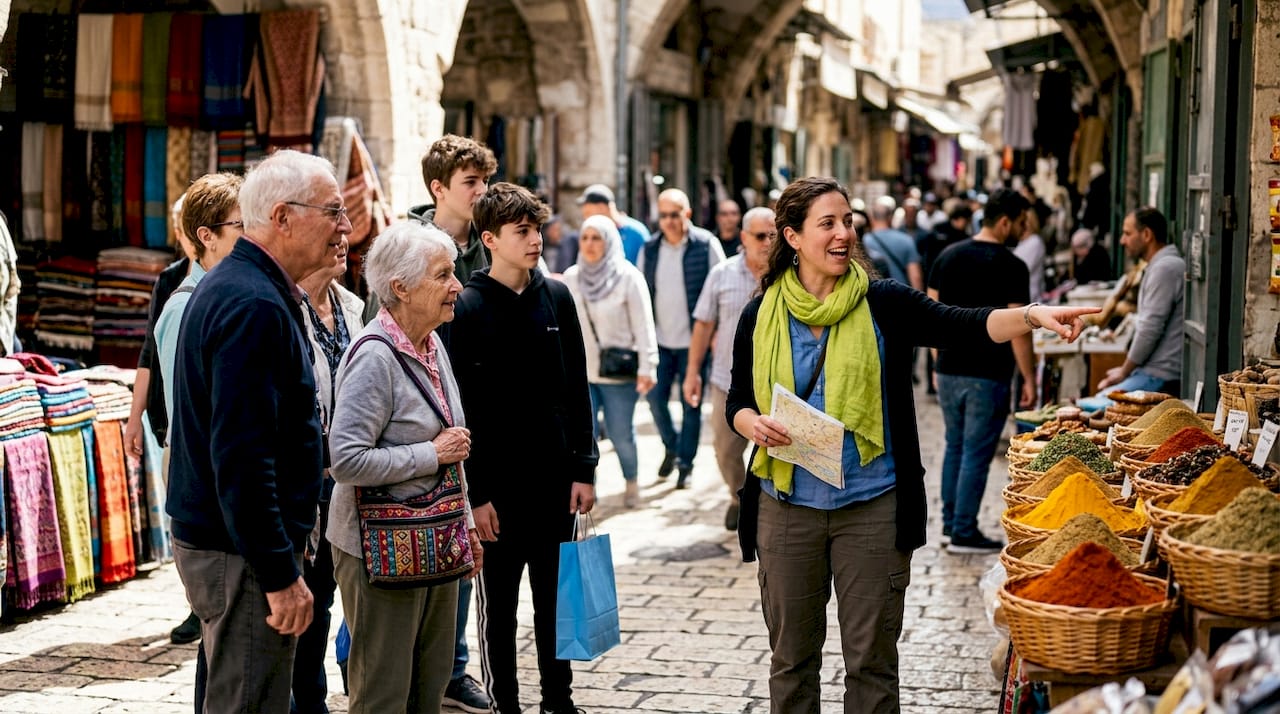
Hidden gems add the personal connection that iconic sites sometimes lack. A morning in the Mahane Yehuda market, a pottery workshop in the Galilee, or a walk through the Neve Tzedek neighborhood in Tel Aviv gives families a living, breathing sense of Israeli culture. These lighter experiences also serve as natural recovery time between major sites.
Balancing “must-see” highlights with hidden gems and prioritizing 2–3 immersive experiences over rushed visits leads to richer trips. Sacrificing depth for quantity is the most common planning mistake families make.
A practical sequence for each day:
Start with one high-intensity anchor site. The Western Wall, Masada, or the Sea of Galilee each deserves a focused morning block.
Follow with a lighter, interactive activity. A cooking class, an artisan workshop, or a neighborhood walk keeps energy up without adding cognitive load.
Build in unstructured time. Thirty minutes of free exploration at a local market or café creates spontaneous memories that no itinerary can manufacture.
End with a low-key cultural experience. A sunset at the Haas Promenade in Jerusalem or a beach hour in Tel Aviv closes the day without draining anyone.
Teens disengage most often after more than two hours of passive listening without breaks. One high-intensity anchor per day, paired with lighter activities, keeps the whole group present and engaged. For a full breakdown of sightseeing options, the Israel sightseeing guide from Bneimitzvahtrip covers what resonates most with Bar and Bat Mitzvah families.
What activities work best for multi-generational family groups?
Multi-generational groups need variety built into every day, not just across the trip. A single day that works for a 13-year-old, a 45-year-old parent, and a 70-year-old grandparent requires deliberate design.
Physical activity options. Offer tiered choices. A family can split for one hour, with teens doing a rappelling activity in the Judean Desert while grandparents explore a nearby visitor center.
Interactive workshops. Mosaic-making, bread-baking, and Dead Sea mineral workshops engage every age group simultaneously.
Cultural tours with narrative. A licensed guide who tells stories rather than recites facts holds attention across generations.
Scheduled rest. Build a 90-minute midday break into every day. Fatigue is the fastest way to turn a meaningful trip into a tense one.
Advance booking. Popular sites require advance booking of at least 2–3 months for peak times in 2026. The Western Wall Tunnels, for example, sell out weeks ahead.
Pro Tip: Use timed entry tickets for high-demand sites like the Western Wall Tunnels and Yad Vashem. They eliminate queuing stress and let you control the day’s pace precisely.
For families with diverse mobility needs, the intergenerational travel guide from Bneimitzvahtrip offers specific advice on structuring days that work for every generation.
How does 2026 travel timing affect your Israel itinerary?
Trip length and seasonal timing are the two variables that shape every other planning decision. Experts recommend a 10–14 day trip duration to cover classic Israel sites without rushing, including Jerusalem, Tel Aviv, the Dead Sea, Masada, and the Galilee. Fewer than ten days forces families to skip sites or rush through them.
The shoulder seasons, march through may and late september through november, offer the best 2026 weather for comfortable outdoor family activities. Temperatures stay warm but not extreme, making desert hikes and open-air sites far safer and more enjoyable.
Factor | Recommendation | Why it matters |
Trip length | 10–14 days | Covers all major regions without rushing |
Best seasons | March–May, late September–November | Comfortable temperatures for outdoor activities |
Shabbat planning | Local or walking activities Friday–Saturday | Avoids transport shutdowns and stress |
Advance booking | 2–3 months before peak dates | Secures access to high-demand sites |
Daily transit | Train or shared shuttle between cities | Intercity fares typically range $4–$12 |
Shabbat planning deserves special attention. Minimizing long travel days during Shabbat and focusing on local walking tours prevents logistical stress. Schedule your intercity moves for Sunday through Thursday whenever possible.
Key Takeaways
The best Israel tour activities for a Bar or Bat Mitzvah trip combine one immersive anchor site per day with lighter, interactive experiences, planned during shoulder seasons, with licensed guides booked at least 2–3 months in advance.
Point | Details |
Use the three-filter test | Every activity should be meaningful, manageable, and memorable for all ages. |
Anchor plus lighter activity | Pair one major site per day with a hands-on or cultural experience to prevent fatigue. |
Book 2–3 months early | High-demand sites like the Western Wall Tunnels sell out well before peak season. |
Travel in shoulder seasons | March–May and late September–November offer the safest, most comfortable conditions. |
Plan around Shabbat | Schedule intercity travel Sunday through Thursday to avoid transport restrictions. |
What I’ve learned from guiding families through Israel
After years of working with multi-generational Bar and Bat Mitzvah groups, the biggest mistake I see families make is building an itinerary around quantity. They want to see everything. They end up truly experiencing nothing.
The families who leave Israel moved are the ones who spent a full morning at the Western Wall instead of rushing to three sites before lunch. They are the ones who sat with a local artisan in Safed and learned something they could not have read in a guidebook. Quality and connection beat a packed schedule every time.
My honest advice: before you book anything, sit down with your family and ask two questions. What do you want to feel on this trip? And what does your Bar or Bat Mitzvah child actually care about? The answers will cut your activity list in half and double the meaning of everything that remains.
Flexible itineraries with a certified guide give you the freedom to slow down when a moment calls for it. That flexibility is not a luxury. It is the difference between a trip and a memory.
— Shay
Planning your Bar or Bat Mitzvah trip with Bneimitzvahtrip
Bneimitzvahtrip has spent over 20 years designing Israel trips that work for real families, not just ideal ones. Every itinerary balances spiritual highlights, cultural experiences, and activities that keep teens engaged and grandparents comfortable.
Whether you are planning a Bar Mitzvah tour focused on Jerusalem and the Galilee or a Bat Mitzvah trip that mixes history with hands-on cultural experiences, Bneimitzvahtrip builds the itinerary around your family’s specific needs. Browse the full range of curated tour packages to find the right fit for your group’s size, interests, and travel dates in 2026.
FAQ
How far in advance should I book Israel tour activities?
Book popular sites and guided experiences at least 2–3 months before your travel dates. High-demand attractions like the Western Wall Tunnels fill up weeks ahead of peak season.
What is the best time of year for a family Israel trip in 2026?
The shoulder seasons, march through may and late september through november, offer the most comfortable temperatures for outdoor activities. Summer heat in the desert regions can be extreme and physically demanding for children and older adults.
How long should a Bar or Bat Mitzvah Israel trip be?
A 10–14 day trip gives families enough time to cover Jerusalem, Tel Aviv, the Dead Sea, Masada, and the Galilee without rushing. Shorter trips force difficult trade-offs between meaningful sites.
Do I need a licensed guide for a Bar or Bat Mitzvah Israel trip?
A licensed guide certified through Israel’s state program provides expertise in archaeology, religion, and geography that significantly deepens the experience. This is especially valuable for engaging Bar and Bat Mitzvah-aged teens at historical and spiritual sites.
How do I keep teenagers engaged during a multi-day Israel tour?
Pair one major site visit per day with a hands-on or interactive activity. Teens disengage after more than two hours of passive listening, so mixing formats, such as a morning at Masada followed by an afternoon cooking class, maintains energy and interest.
Recommended
Comments