Why Choose Israel for Milestones: A Family Guide

TL;DR:
Choosing Israel for a Bar or Bat Mitzvah offers a profound connection to Jewish history and culture in the land where traditions began. Families experience spiritual depth by celebrating at historic sites like the Western Wall, inspiring lasting memories and stronger Jewish identity. Proper planning ensures an engaging, accessible, and meaningful celebration for all ages, regardless of observance level or physical ability.
Israel is the most meaningful setting a Jewish family can choose for a Bar or Bat Mitzvah celebration. No other location places a child’s coming-of-age moment inside the same land where Jewish history, law, and identity were born. For American Jewish families asking why choose Israel for milestones, the answer is simple: the country transforms a ceremony into a lived experience that stays with every family member for life. Bneimitzvahtrip has spent over 20 years guiding families through exactly this kind of celebration, combining spiritual depth with genuine fun.
Why choose Israel for milestones like Bar and Bat Mitzvahs?
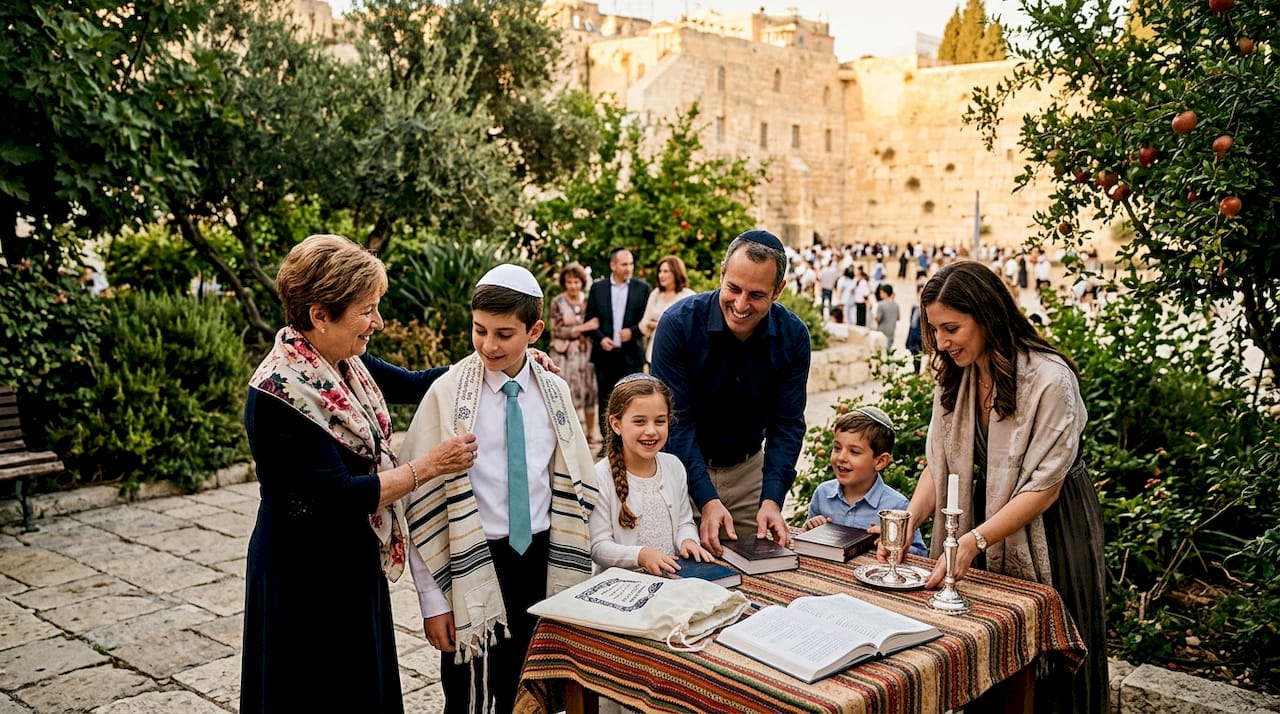
Israel is the birthplace of Jewish tradition, and that fact changes everything about a milestone ceremony held there. Standing at the Western Wall, walking through the Old City of Jerusalem, or reading from the Torah at Masada connects a child to thousands of years of Jewish life in a way no synagogue back home can replicate. Families report that the spiritual intensity of ceremonies at the Western Wall is unlike anything they experience elsewhere. That intensity comes from place, not just prayer.
The Old City of Jerusalem alone holds the Jewish Quarter, the Cardo, and the Western Wall plaza, each layer telling a different chapter of Jewish history. A child who walks those streets before their Bar or Bat Mitzvah ceremony carries that context into the moment they chant their Torah portion. The ceremony stops being an abstract ritual and becomes a personal statement made in the very land the Torah describes.
“The spiritual impact of a milestone in Israel comes from the tangible connection to real places, moving the ceremony beyond a ritual into a transformative experience that families carry home with them.”
Israel also offers something no other destination provides: the sense that Jewish history is not behind glass. It is underfoot, overhead, and all around.
How Israel accommodates every family’s needs
No two Jewish families celebrate the same way, and Israel is built to handle that reality. Ceremony settings range from the Western Wall, with its historic power and traditional format, to local synagogues that offer warmth and a more inclusive atmosphere, to Masada, which delivers symbolic drama for families ready for the physical climb. Each option suits a different combination of values, observance level, and family stamina.
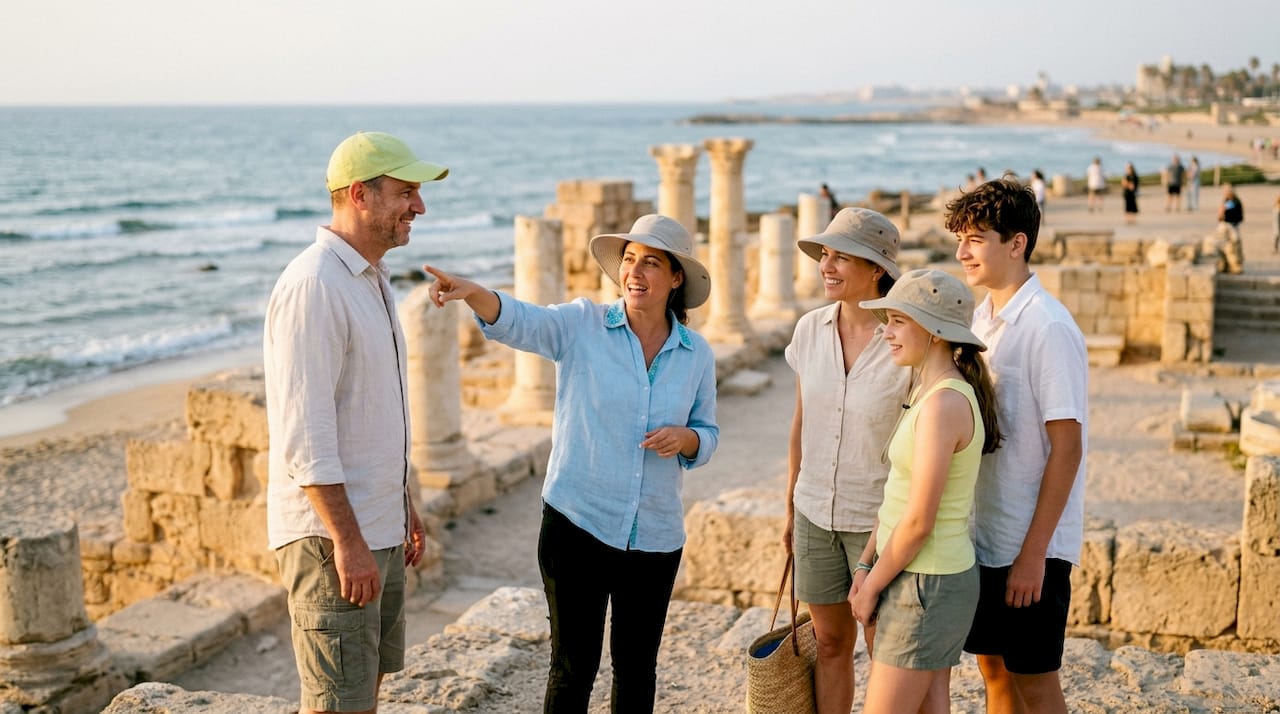
Multi-generational groups require extra thought. Grandparents need comfortable pacing. Younger children need engaging activities between the heavier historical moments. Teenagers often respond best when the trip mixes meaningful sites with time to explore markets, beaches, and food.
Identify your family’s observance level before selecting a ceremony location. Orthodox formats at the Western Wall differ significantly from egalitarian options at the Southern Wall’s Ezrat Yisrael section.
Map out physical capacity for each family member. Masada requires a cable car or a steep hike; the Western Wall plaza is accessible to nearly everyone.
Build leisure into the schedule. Tel Aviv’s beaches, the Mahane Yehuda market in Jerusalem, and the culinary scene across both cities give families room to breathe between ceremonial moments.
Choose accommodation close to ceremony sites to reduce travel fatigue. Bneimitzvahtrip’s family accommodation options are selected with exactly this balance in mind.
Pro Tip: Book a private guide for the day of the ceremony. A guide who knows the site’s history and logistics removes stress from parents and lets the whole family stay present for the moment.
Practical planning for a milestone trip to Israel
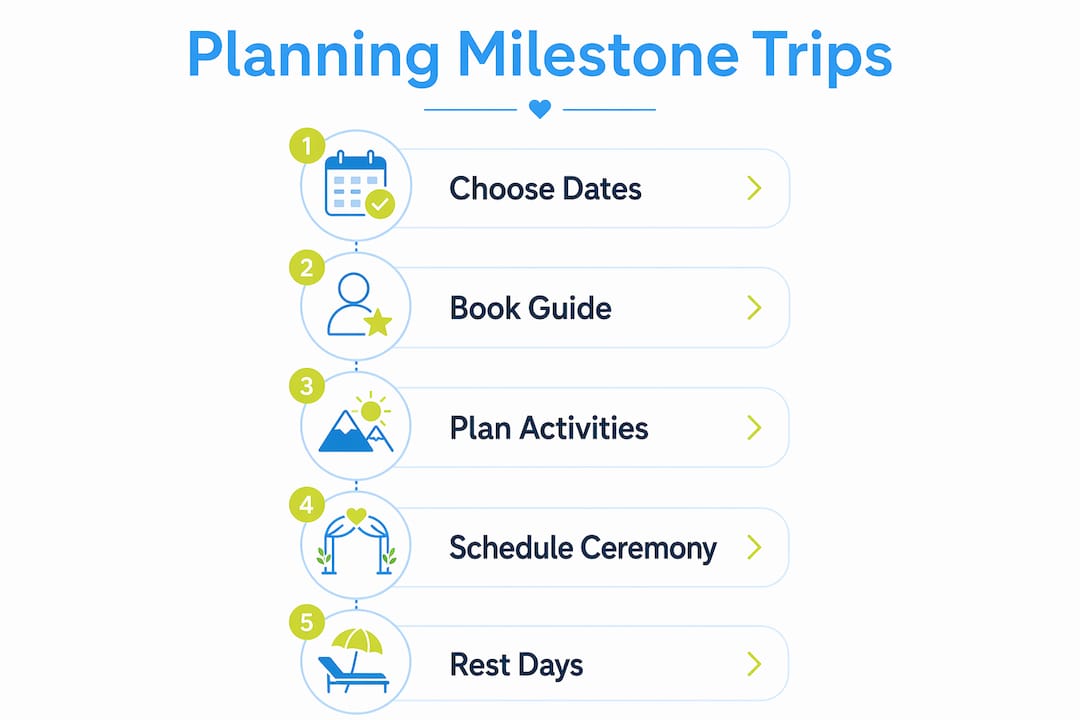
Timing is the first decision that shapes everything else. Avoiding the hottest months and peak tourist seasons reduces fatigue for every generation in the group. The spring months of april and may, and the fall months of september and october, offer mild weather and manageable crowds. Scheduling around the Jewish calendar matters too. Shabbat and major holidays affect site access, ceremony availability, and restaurant hours.
Planning factor | Recommended approach |
Best travel months | April–May or September–October for mild weather |
Ceremony location | Match to family observance level and physical capacity |
Daily itinerary pace | One major historical site per day with planned rest time |
Ceremony style | Confirm format (Orthodox, egalitarian, or family-led) early |
Accommodation | Stay within 15 minutes of ceremony and key sites |
Itinerary burnout is the most common mistake families make. Planning one major historical experience per day with structured breaks significantly improves satisfaction across all age groups. A morning at Yad Vashem followed by an afternoon at a Jerusalem food market is a full and balanced day. Trying to add Masada, the Dead Sea, and the Old City in the same 24 hours is not.
Pro Tip: Schedule the ceremony in the middle of the trip, not on the first or last day. Families arrive more settled, and the days after the ceremony become a natural celebration rather than a rushed departure.
How Israel strengthens family bonds and Jewish identity
Shared experiences in Israel do more than create memories. Families returning from milestone trips report a deeper connection to Jewish history and community that outlasts the trip itself. The child at the center of the celebration grows up knowing their Bar or Bat Mitzvah happened in the land their ancestors prayed toward for centuries. That knowledge shapes identity in a lasting way.
The benefits extend to every family member who makes the trip:
Grandparents reconnect with heritage in a setting that validates their own lifelong connection to Israel and Jewish tradition.
Parents experience their child’s milestone in a context that adds emotional weight and personal meaning beyond the party back home.
Siblings and cousins form bonds through shared adventure, from floating in the Dead Sea to tasting shawarma in the shuk.
The Bar or Bat Mitzvah child carries a story that is uniquely theirs, rooted in a place with universal Jewish significance.
Israel’s Law of Return, which grants citizenship to those with Jewish heritage, reflects how central the country is to Jewish identity worldwide. Celebrating a milestone there is not just a trip. It is a statement about belonging. Families who travel for Jewish milestones consistently describe the experience as the most meaningful thing they have done together as a family.
Key Takeaways
Israel is the most meaningful setting for Bar and Bat Mitzvah celebrations because it grounds the ceremony in the actual land of Jewish history, creating spiritual depth and family memories that no other destination can match.
Point | Details |
Spiritual depth of place | Ceremonies at the Western Wall and Old City connect children to living Jewish history. |
Ceremony flexibility | Options range from Orthodox Western Wall formats to egalitarian and family-led styles. |
Itinerary pacing | One major site per day with rest time prevents burnout across all generations. |
Timing matters | Spring and fall months offer the best weather and crowd levels for family travel. |
Lasting identity impact | Families return with a stronger Jewish identity and deeper intergenerational bonds. |
What I’ve learned from watching families celebrate in Israel
I have seen families arrive in Israel with a checklist and leave with something they did not expect: a shared language for their Jewish identity. The ceremony itself is rarely what they talk about years later. What stays with them is the moment a grandfather explained the Western Wall to his grandchild, or the night the whole family ate together in a Jerusalem courtyard after the ceremony.
The families who get the most from a milestone trip in Israel are the ones who stay flexible. Not every family member will feel the same spiritual pull at every site, and that is fine. What matters is that the trip creates space for each person to find their own connection. Forcing a rigid schedule of sacred moments often produces the opposite of what families want.
The best Bar Mitzvah locations in Israel are the ones that fit your family, not the ones that look best in a brochure. A ceremony at a small synagogue in the Galilee can be just as powerful as one at the Western Wall, if it matches who your family actually is. Plan for meaning, not just impressiveness.
— Shay
Planning your Bar or Bat Mitzvah trip with Bneimitzvahtrip
Bneimitzvahtrip specializes in planned Bar and Bat Mitzvah tours built specifically for American Jewish families who want both spiritual depth and genuine enjoyment. With over 20 years of experience in tourism and event planning, the team handles ceremony logistics, site selection, accommodation, and daily itinerary pacing so families can focus on the moment itself.
Every tour combines visits to historically significant locations with culinary experiences, family activities, and the kind of flexibility that multi-generational groups actually need. Bneimitzvahtrip works with families across all observance levels, from Orthodox to unaffiliated, to create a celebration that reflects your values. Whether you are planning a Bat Mitzvah tour or a full family Bar Mitzvah experience, the team builds the trip around your family, not a template.
FAQ
Why is Israel the best place for a Bar or Bat Mitzvah?
Israel places the ceremony inside the actual land of Jewish history, giving the milestone a spiritual and cultural weight that no other location provides. Sites like the Western Wall and the Old City of Jerusalem make the tradition tangible and personal.
What ceremony locations are available in Israel?
Families can choose from the Western Wall, the egalitarian Ezrat Yisrael section, Masada, local synagogues, and other historically significant sites across Jerusalem and the Galilee. Each location suits different observance levels and physical capacities.
When is the best time to plan a milestone trip to Israel?
The spring months of april and may and the fall months of september and october offer the most comfortable weather and manageable tourist crowds. Avoiding peak heat and busy seasons reduces fatigue for all generations.
How do families prevent itinerary burnout in Israel?
Planning one major historical experience per day with built-in rest time is the most effective approach. Mixing high-impact sites with leisure activities like markets, beaches, and meals keeps every age group engaged.
Can families with different observance levels celebrate together in Israel?
Yes. Israel offers ceremony formats ranging from traditional Orthodox to fully egalitarian and family-led styles, making it possible for mixed-observance families to find a setting that honors everyone’s values.
Recommended
Comments