Learning Moments on Israel Tours for Bar Mitzvah Families

TL;DR:
Experiential learning on Israel tours involves active participation in archaeology, community service, and cultural workshops to deepen Jewish identity. Planning trips during mild seasons, integrating reflection days, and accommodating Shabbat enhance learning and retention. These immersive moments foster resilience, pride, and personal growth in young travelers, making memories lasting.
Learning moments on Israel tours are defined as interactive, immersive experiences that connect young people directly to Jewish heritage, history, and personal values. Israel functions as a living classroom where every site, story, and encounter carries meaning far beyond a textbook. For families planning Bar or Bat Mitzvah celebrations, these moments become the foundation of a trip that shapes identity and deepens Jewish pride. Bneimitzvahtrip has spent over 20 years designing exactly these kinds of experiences for families who want more than sightseeing.
1. What are the top experiential learning moments on Israel tours?
The richest educational experiences in Israel combine physical participation with emotional connection. Passive tours rarely stick. Active ones do.
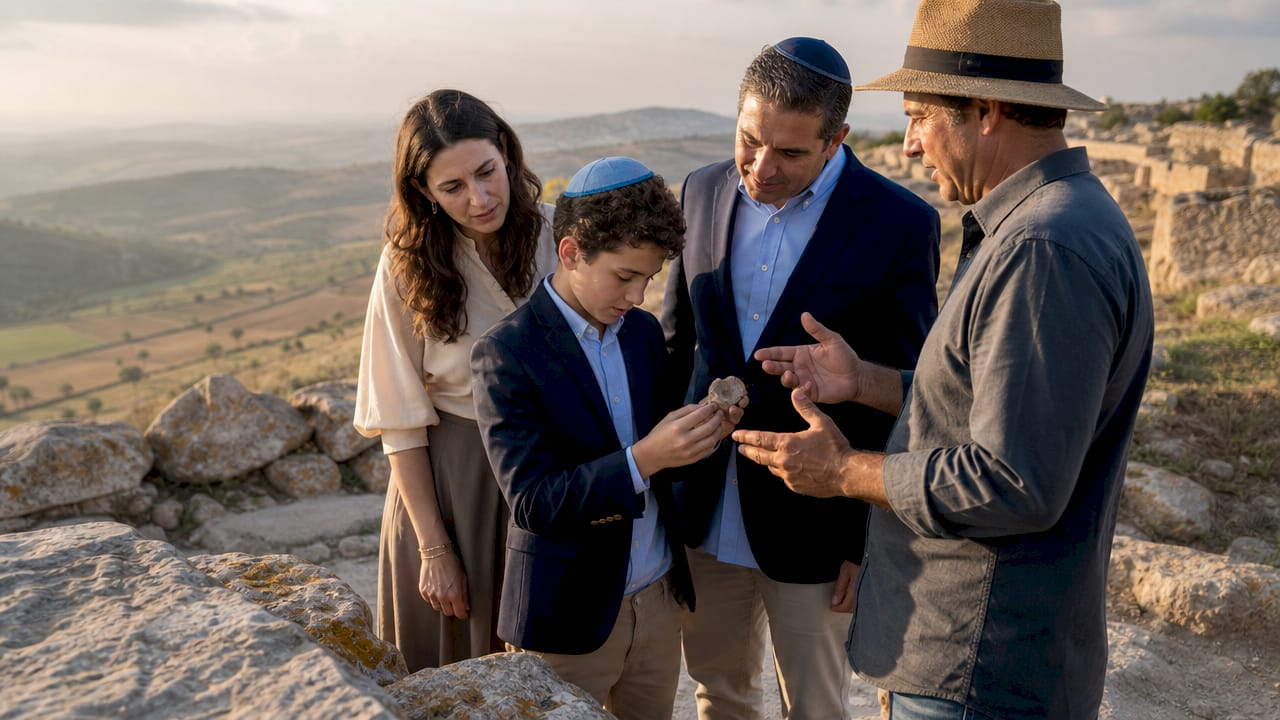
Archaeological sifting at the Temple Mount. Families can sift through actual excavated soil and find artifacts from biblical periods. This is not a simulation. It is real archaeology, and the weight of that reality lands hard on a 13-year-old.
Digging at Beit Guvrin National Park. Hands-on archaeology at this UNESCO-listed site lets kids excavate ancient caves and handle history directly. Active participation leads to engagement that passive learning simply cannot match.
Community service projects. Assembling gift packages for local families or volunteering with Israeli charities teaches Jewish values like tikkun olam through direct action, not lecture.
Biblical Zoo visits. The Jerusalem Biblical Zoo connects Torah concepts to living animals, making scripture tangible. Visits to nature sites like this serve as physical bridges between ancient text and modern experience.
Cultural workshops. Art, glassblowing, and mosaic workshops show that Jewish culture celebrates creativity and joy, not only endurance. These sessions broaden a teen’s sense of what it means to be Jewish.
David and Goliath battlefield reflection. Standing in the Elah Valley where David faced Goliath, then discussing courage and self-advocacy, transforms an abstract story into a personal challenge.
Pro Tip: Book archaeological activities in advance. Spots at Temple Mount sifting programs fill quickly, especially during spring and fall travel windows.
2. How to plan your itinerary for maximum learning impact
Smart planning separates a good Israel trip from a great one. The logistics matter as much as the locations.
Travel in the right season. The ideal travel windows are mid-March through may and mid-September through mid-November. Temperatures stay manageable and major Jewish holidays do not disrupt schedules or inflate costs.
Dress for the sites. Modest dress covering shoulders, chest, and knees is required at religious sites. Building this into your packing list avoids awkward moments at the Western Wall or holy sites.
Plan around Shabbat. Shabbat observance shuts down public transport and most businesses from friday sunset to saturday sunset, especially in Jerusalem. Tel Aviv stays more active. Build this into your schedule rather than fight it.
Pack kosher lunches. On-site cafes at major attractions often lack kosher options. Hungry kids lose focus fast. A packed lunch keeps the group on track and eliminates a common source of frustration.
Schedule integration days. Over-scheduling is a common mistake. Lighter days with visits to nature centers or museums give teens time to process what they have seen. Reflection is where learning becomes memory.
Pro Tip: Build at least one full integration day into every three days of intensive site visits. Your kids will absorb more, not less.
3. Key lessons and values families take home from Israel
The values learned on Israel journeys go well beyond history class. They become part of how a young person sees themselves.
Resilience. Meeting local educators and community leaders involved in recovery efforts shows teens what strength looks like in real life. Involving local community leaders enriches the experience by exposing families to real challenges and genuine inspiration.
Leadership and courage. Standing at historical battle sites and connecting those stories to personal identity teaches young travelers to internalize heritage in a way that is specific to their own values.
Joy and creativity as Jewish identity. Jewish history tours benefit from celebrating creative cultural contributions, not only hardships. Art, music, and food are as much a part of Jewish heritage as any historical event.
Connection to the land. Recognizing Israel as central to Jewish continuity shifts the trip from tourism to belonging.
History as lived experience. When a teen stands where a biblical story happened, history stops being a textbook concept and becomes something they carry with them.
“Learning becomes personal when students can see themselves in the stories of Israel, facilitated by travel that encourages experiential engagement with the land.” Educators at Alexander Muss High School have championed this immersive approach for decades, and family feedback consistently confirms it works.
4. How immersive experiences transform Israel tours into lasting education
Experiential learning outperforms passive tours in every measurable way for this age group. The reason is simple: doing creates memory, watching does not.
Learning Method | Engagement Level | Retention Outcome |
Guided lecture at a site | Low to moderate | Fades within days |
Hands-on archaeology | High | Retained long-term |
Community service project | High | Tied to values and identity |
Cultural workshop | Moderate to high | Linked to creative memory |
Reflective discussion at historic site | High | Integrated into personal narrative |
Experiential learning connects history sites to current family values through guided reflection. That process transforms abstract concepts into life lessons a teen can actually use. Educators who use this method report that students leave Israel with a stronger sense of Jewish identity and personal responsibility. Bneimitzvahtrip builds this framework into every custom Bar Mitzvah itinerary it designs.
The sensory dimension matters too. Smelling the spice markets in Jerusalem, touching ancient stone, hearing prayers at the Western Wall. These experiences reach parts of a young person’s understanding that no classroom can access. Balancing historical facts with sensory and emotional moments is what separates a meaningful trip from a forgettable one.
Key takeaways
The most effective learning moments on Israel tours combine hands-on participation, cultural immersion, and structured reflection to build lasting Jewish identity in Bar and Bat Mitzvah candidates.
Point | Details |
Active participation wins | Archaeology, service projects, and workshops create stronger memory than passive site visits. |
Timing shapes the experience | Travel mid-March through may or mid-September through mid-November for the best conditions. |
Integration days are not optional | Lighter days for reflection help teens process and retain complex historical and emotional content. |
Logistics protect the learning | Packing kosher lunches and planning around Shabbat removes distractions that break focus. |
Values outlast the trip | Lessons in resilience, courage, and Jewish identity stay with young travelers long after they return home. |
What I have learned planning Israel trips for Bar Mitzvah families
After years of watching families move through Israel, the pattern is clear: the moments that stick are never the ones you over-planned. They are the quiet ones. A kid holding a shard of pottery they just dug up. A family standing together at the Western Wall at dusk. A teen who was barely paying attention suddenly asking a guide a question that shows they were listening the whole time.
The families who get the most out of these trips are the ones who leave room for those moments. They do not try to see everything. They go deeper into fewer places. They let their kids be bored for ten minutes before something extraordinary happens. That is where the real education lives.
Teens at this age are also more perceptive than adults give them credit for. When they meet a local educator who has rebuilt a community, they feel it. When they stand where David stood, they think about their own fears. The trip does not need to be perfect. It needs to be real. That is what Bneimitzvahtrip has always understood, and it is why the families who travel with us come back changed.
— Shay
Plan your family’s Israel experience with Bneimitzvahtrip
Bneimitzvahtrip designs Bar and Bat Mitzvah tours built around the exact learning moments described in this article. Every itinerary includes hands-on activities, cultural workshops, and structured reflection time so your family gets depth, not just distance covered.
With over 20 years of expertise in experiential travel and event planning, Bneimitzvahtrip handles the logistics so your family can focus on the experience. From Bat Mitzvah tours to fully custom programs, every trip is built around what matters most: your child’s connection to Israel, to Jewish heritage, and to themselves. Reach out to start planning a trip your family will talk about for years.
FAQ
What makes a learning moment meaningful on an Israel tour?
A meaningful learning moment combines physical participation with personal reflection at a site connected to Jewish history or values. Hands-on activities like archaeological sifting or community service create the strongest impact for Bar and Bat Mitzvah age groups.
When is the best time to take a family educational tour of Israel?
The best travel windows are mid-March through may and mid-September through mid-November. These periods offer mild temperatures and fewer holiday disruptions.
How should families plan around Shabbat during an Israel tour?
Public transport and most businesses close from friday sunset to saturday sunset, particularly in Jerusalem. Build Shabbat into your itinerary as a scheduled rest or reflection day rather than treating it as a disruption.
What values do teens typically develop on Israel tours?
Teens commonly develop resilience, a stronger Jewish identity, and a sense of personal responsibility. Direct engagement at historical sites followed by guided discussion helps young travelers connect heritage lessons to their own lives.
How many days should a Bar or Bat Mitzvah Israel tour last?
The ideal length varies by family, but most educational Israel trips for this age group run 10–14 days. That window allows enough time for immersive experiences without exhausting younger travelers.
Recommended
Comments