Explaining Community Tours for Bar and Bat Mitzvah Families
- שי דוד

- Jul 15
- 7 min read
TL;DR:
Community tours are small, immersive experiences led by local residents that emphasize active participation and cultural engagement. They deepen understanding of traditions and values by connecting families to real stories, foods, and rituals, creating lasting memories. Building a trip around these tours offers genuine cultural insight, spiritual growth, and support for local communities.
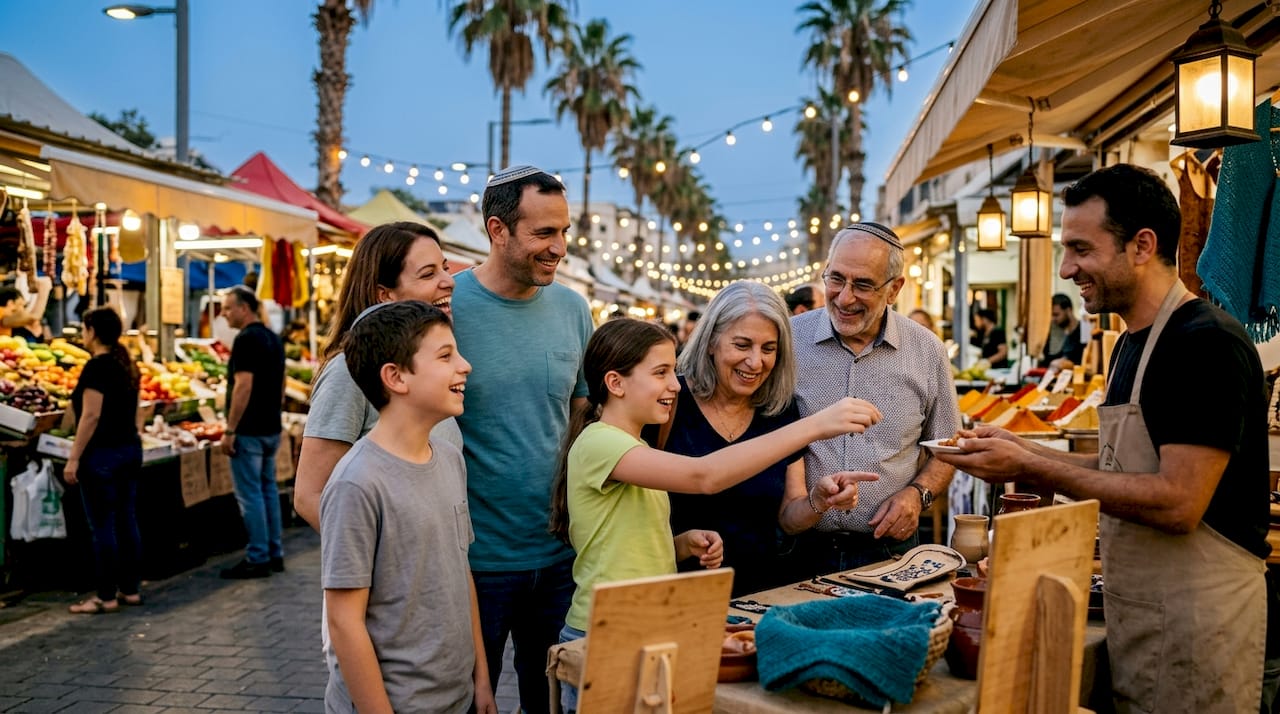
A community tour is a small-group, immersive experience where participants engage directly with local people, traditions, and environments rather than observing from a distance. For families preparing for a Bar or Bat Mitzvah, explaining community tours means understanding how these experiences go far beyond standard sightseeing. They connect children and families to living culture, shared values, and real human stories. Bneimitzvahtrip has spent over 20 years designing exactly this kind of meaningful travel for Jewish families celebrating one of life’s most significant milestones.
What makes a community tour different from regular sightseeing?
Community tours are defined by active participation, not passive observation. Community-based tourism shifts travel from consumption to participation, transforming visitors from tourists into guests. That shift changes everything about how a family experiences a place.
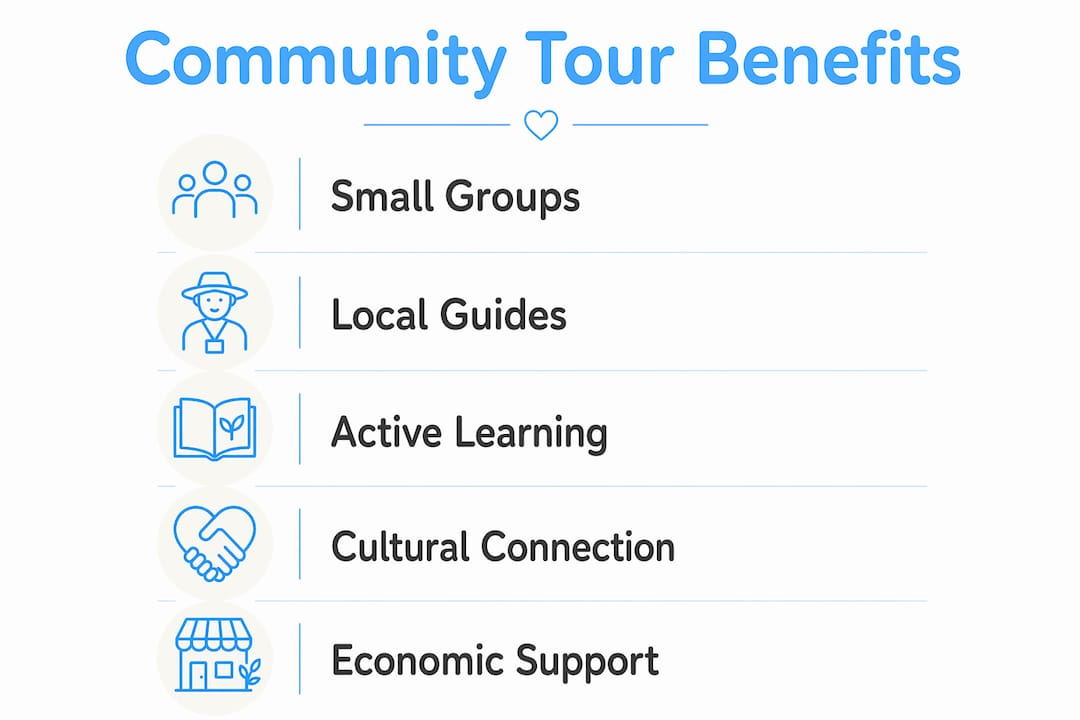
The most visible difference is group size. Community tours cap groups at 6–10 participants to protect local environments and keep interactions genuine. A group of six people sitting with a local family for a meal creates connection. A group of forty creates a performance.
Local guides are the second defining feature. These are not scripted tour operators. Local guides function as living archives, maintaining relationships with community elders and sharing oral histories that no guidebook contains. They know which alley leads to the best story, and which elder will speak honestly about the past.
What families actually do on these tours sets them apart from standard itineraries:
Cook traditional meals alongside community members, not just taste them at a restaurant
Participate in rituals or crafts that carry generational meaning
Hear oral histories directly from people who lived them
Engage with local children and youth in shared activities
Visit sites chosen for cultural depth, not Instagram appeal
Pro Tip: Ask your tour organizer whether guides are local community members or outside contractors. Authentic community tours are led by people who live there, not visitors who studied the area.
How do community tours deepen learning for Bar and Bat Mitzvah families?
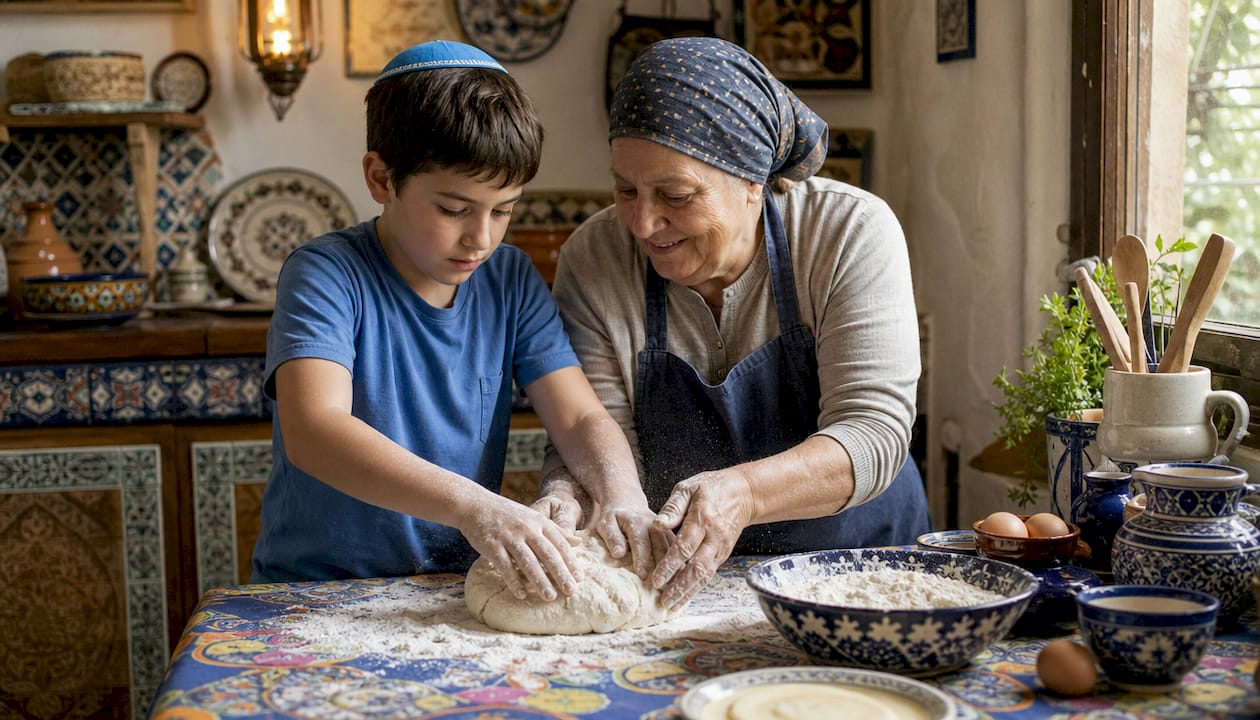
Community tour experiences create the kind of learning that sticks. A child who helps prepare a traditional meal, hears a story from a community elder, or participates in a local ritual remembers it for decades. That depth of memory is what separates a meaningful Bar or Bat Mitzvah trip from a vacation with a few historical stops.
Local guides provide access to authentic stories and cultural details that conventional tours never reach. For Jewish families, this matters especially when visiting Israel. The stories embedded in neighborhoods, markets, and sacred sites carry spiritual weight that only a connected local guide can unlock.
Community tours also reinforce core Jewish values in a lived, practical way:
Tikkun olam (repairing the world) becomes real when families see how their participation supports local livelihoods
Kavod (respect) is practiced through attentive listening and culturally sensitive behavior
Chesed (kindness) shows up in genuine hospitality exchanges between families and community members
Tzedakah (justice and charity) takes on new meaning when families witness and support local community initiatives
Travel deepens Jewish roots most powerfully when it connects abstract values to real people and real places. A Bar or Bat Mitzvah child who meets a community elder, shares a meal, and hears a firsthand story carries that connection into adulthood. The spiritual growth that happens on a well-designed community tour often rivals what happens in years of classroom study.
What should families expect and how should they prepare?
Community tours range widely in format and length. Tours run from 3.5-hour neighborhood walks to multi-day immersive itineraries that integrate cultural heritage, meals, and spiritual rituals. Families should decide early whether they want a half-day introduction or a deeper, multi-day experience built into the larger Bar or Bat Mitzvah trip.
Practical preparation matters as much as mental readiness. Here is what families should do before the tour begins:
Wear comfortable, practical clothing. Community tours involve walking on uneven terrain, participating in hands-on activities, and spending time in non-commercialized settings. Dress for movement, not appearances.
Talk to your children beforehand. Explain that the goal is to listen and learn, not to perform or impress. Children who arrive curious engage far more meaningfully than those who arrive expecting entertainment.
Prepare for unfiltered reality. Mental readiness for authentic local conditions enhances empathy and meaningful participation. Communities are not museums. Families may witness social challenges alongside beauty and tradition.
Leave phones in pockets unless invited to photograph. Presence matters more than documentation. Guides will tell you when photography is welcome.
Ask questions, but listen more. The most valuable moments on community tours come from silence and attention, not from filling every pause with questions.
Pro Tip: Involve your child in the preparation process. Let them research one aspect of the community you will visit, whether it is a local food, a tradition, or a historical event. Arriving with even basic knowledge shows respect and opens deeper conversations.
How do community tours support local economies and preserve culture?
Local ownership keeps economic benefits within the neighborhood rather than flowing to outside operators. This is the economic backbone of responsible community tourism. When the guide, the cook, the host family, and the artisan all live in the community, the money families spend stays there.
The cultural impact runs equally deep. Successful community-based tourism relies on local inhabitants acting as cultural translators, not performers. That distinction protects traditions from becoming staged spectacles designed for tourist approval. Authentic culture is shared, not sold.
For Jewish families, this ethical dimension connects directly to values of community stewardship. Supporting a local guide’s livelihood, buying from a community artisan, or sharing a meal prepared by a local family are all acts of meaningful exchange. Local cuisine plays a central role in this exchange, carrying history, identity, and hospitality in every dish.
The benefits of responsible community tourism include:
Economic sustainability for local families and small businesses
Cultural preservation through active, respectful engagement rather than passive observation
Intergenerational knowledge transfer as elders share stories with visiting families and their own youth
Reduced commercialization of sacred or meaningful traditions
Key Takeaways
Community tours deliver the deepest cultural and spiritual value when they are small, locally led, and built around active participation rather than passive observation.
Point | Details |
Group size matters | Tours capped at 6–10 participants create genuine interaction and protect local environments. |
Local guides are irreplaceable | Guides who live in the community share oral histories and connections no outside operator can replicate. |
Preparation shapes the experience | Practical clothing, mental readiness, and pre-trip research help families engage respectfully and deeply. |
Economic impact is direct | Local ownership keeps tour revenue within the community, supporting families and preserving culture. |
Jewish values come alive | Tikkun olam, kavod, and chesed move from abstract concepts to lived experience on well-designed community tours. |
Why I think community tours are the most underused tool in Bar Mitzvah travel
I have watched families spend months planning the ceremony and two hours planning the trip around it. That imbalance costs them something real. The ceremony marks a moment. The community tour creates a memory that the child carries for life.
The most powerful moments I have seen happen quietly. A 13-year-old sitting with a local elder, genuinely listening to a story about a neighborhood that survived and rebuilt. A family sharing bread with people whose daily reality looks nothing like their own. Those moments do not happen on a bus tour with 40 people and a microphone.
The challenge is that authentic community tours are rarely found on mainstream booking platforms. The best ones are coordinated through organizations with real local relationships. That is exactly why choosing the right guide matters so much. A guide who lives in the community brings access that no amount of research can replace.
My honest advice: treat the community tour as the centerpiece of the trip, not the add-on. Build the itinerary around it. The ceremony is the milestone. The community tour is the education.
— Shay
Bneimitzvahtrip’s approach to community-centered Bar and Bat Mitzvah tours
Bneimitzvahtrip brings over 20 years of expertise to exactly this kind of travel. Every tour is designed with cultural depth, small group sizes, and local guides in Israel who carry real community knowledge, not scripted presentations.
Families can choose from planned Bar and Bat Mitzvah tours that weave together sacred sites, community engagement, traditional meals, and hands-on activities. Each itinerary is built to connect your child’s milestone to living Jewish heritage, not just historical landmarks. Bneimitzvahtrip handles the logistics so your family can focus entirely on the experience. Reach out to start planning a trip your family will talk about for decades.
FAQ
What is a community tour?
A community tour is a small-group, immersive travel experience led by local inhabitants that prioritizes active cultural participation over passive sightseeing. Participants engage directly with local people, traditions, and environments.
How big are community tour groups?
Community tours typically cap group sizes at 6–10 participants to protect local environments and keep interactions genuine and respectful.
How long does a community tour last?
Community tours range from 3.5-hour neighborhood walks to multi-day immersive itineraries that combine cultural heritage, meals, and spiritual rituals.
Why are community tours valuable for Bar and Bat Mitzvah families?
Community tours bring Jewish values like tikkun olam and kavod to life through direct engagement with local people and traditions, creating lasting spiritual and cultural memories for children and families.
How do I find an authentic community tour?
Authentic community tours are often coordinated through organizations with established local relationships rather than mainstream booking platforms, which helps avoid staged or commercialized experiences.
Recommended
Comments