Sephardic Mitzvah Customs: A Guide for Families

TL;DR:
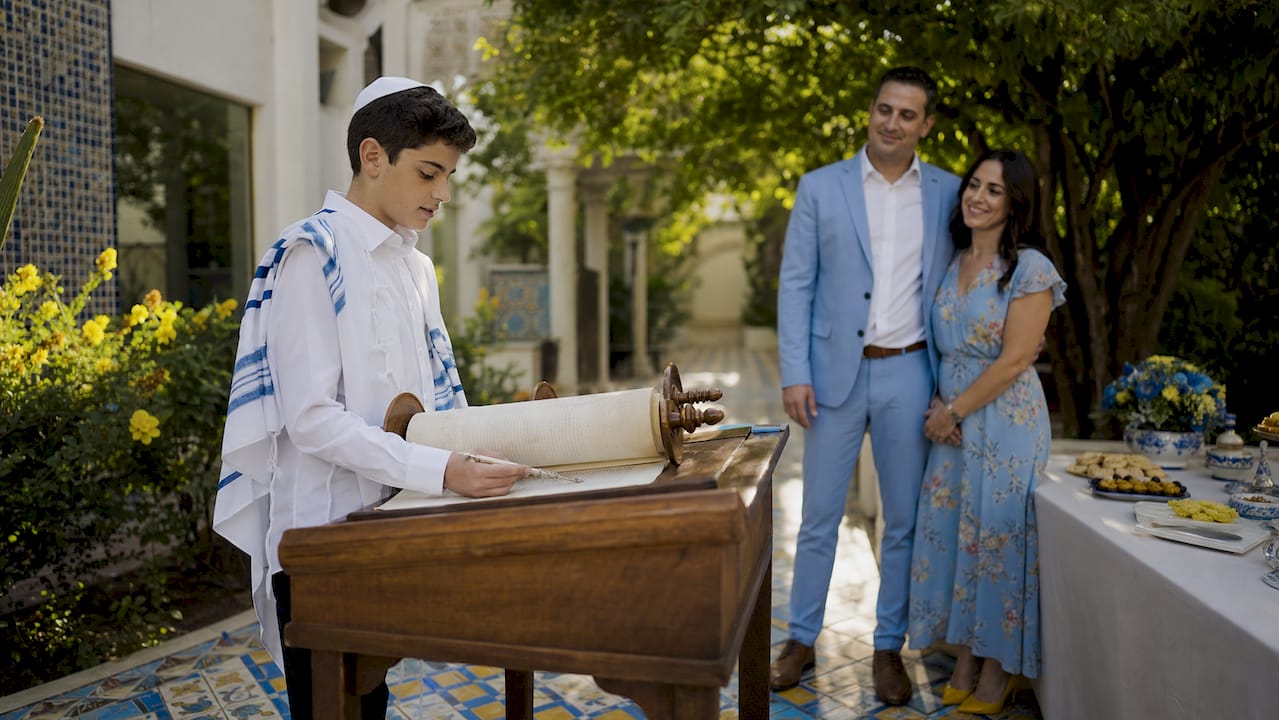
Sephardic mitzvah customs are grounded in the Shulchan Aruch and shaped by traditions from Rabbi Yosef Karo, the Ben Ish Chai, and Rabbi Ovadia Yosef.
Understanding these customs helps families prepare authentically for Bar and Bat Mitzvahs, including liturgy, diet, attire, and family traditions.
Sephardic mitzvah customs are a distinct halakhic and cultural framework rooted in the rulings of Rabbi Yosef Karo, the Ben Ish Chai, and Rabbi Ovadia Yosef. Understanding Sephardic mitzvah customs is the first step every parent of a pre-teen needs before planning a Bar or Bat Mitzvah. These traditions differ from Ashkenazi practice in liturgy, dietary law, music, and family ritual. Knowing the differences helps families prepare authentically and avoid surprises on the day itself.
What are the main Sephardic liturgical customs in Bar and Bat Mitzvah ceremonies?
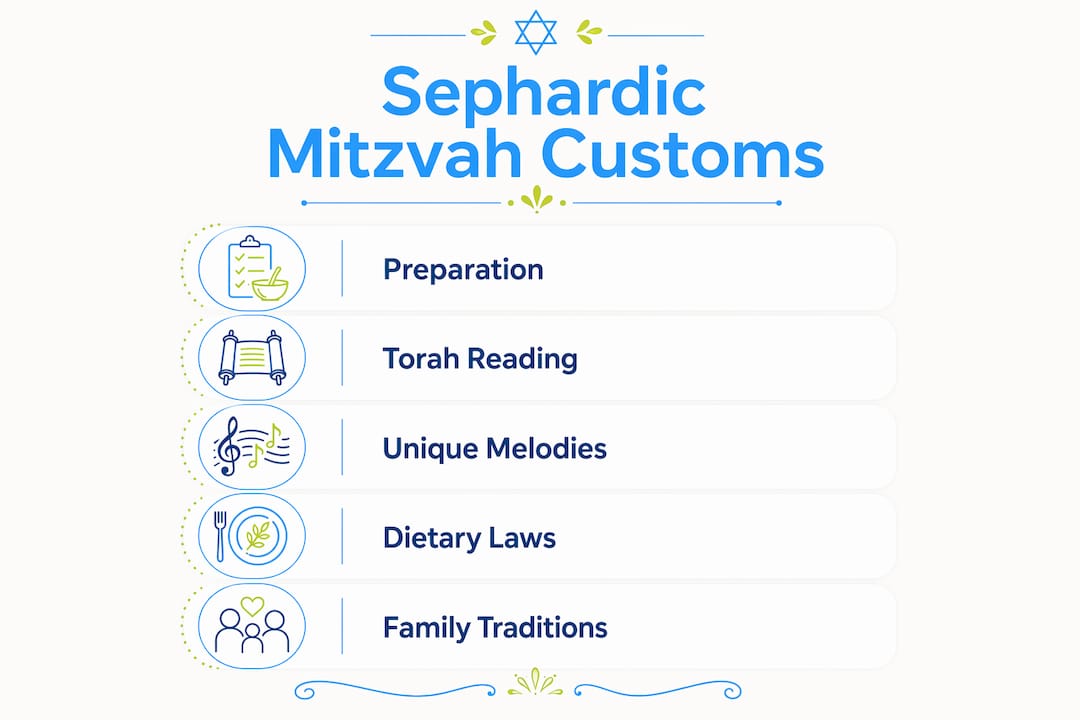
Sephardic prayer services follow a structure shaped by the Shulchan Aruch, the legal code authored by Rabbi Yosef Karo in the 16th century. That foundation gives Sephardic liturgy a consistency that runs across communities from Morocco to Iraq to Iran. Parents preparing a child for a Bar or Bat Mitzvah need to understand how that structure plays out in the actual service.
The weekday Torah reading is one of the clearest examples. Sephardic weekday services on Mondays and Thursdays include Viduy, a confessional prayer that Ashkenazi congregations typically omit on those days. This communal act of humility before the Torah reading sets a distinctly spiritual tone. A Bar Mitzvah boy reading Torah on a Monday or Thursday will participate in that full liturgical sequence.
Torah cantillation is another area where preparation matters. Sephardic Torah chanting uses melodic tropes that differ significantly from Ashkenazi ones. A tutor who knows Ashkenazi melodies cannot adequately prepare a child for a Sephardic reading. Families should confirm their tutor specializes in the specific Sephardic tradition of their community, whether Moroccan, Syrian, or Yemenite, since each carries its own melodic style.
Attire carries meaning too. Sephardic tradition prescribes wearing the tallit katan under the shirt with the tzitzis tucked in, not displayed publicly. This differs from the Ashkenazi custom of letting tzitzis hang visibly outside the pants. Photographers and families planning ceremony photos should know this in advance.
Key liturgical points to confirm before the ceremony:
Viduy inclusion: Confirm whether the synagogue includes confessional prayers on weekday Torah readings.
Cantillation style: Book a tutor who specializes in your specific Sephardic community’s tropes.
Tachanun omission: Sephardic custom omits Tachanun on celebratory days, which affects the service length and flow.
Tallit katan: Prepare the child’s attire to reflect the tucked-in tzitzis norm.
Pro Tip: Start Torah reading preparation at least six months before the ceremony. Sephardic tropes require muscle memory, and rushing the process produces a reading that sounds uncertain rather than confident.
How do Sephardic dietary customs shape Bar and Bat Mitzvah meals?
Sephardic dietary law follows strict Bet Yosef meat standards as codified by Rabbi Ovadia Yosef. These standards are more stringent than general kosher certification in some areas, particularly around meat preparation. Families hosting a celebration need to confirm their caterer meets Bet Yosef requirements, not just standard kosher supervision.
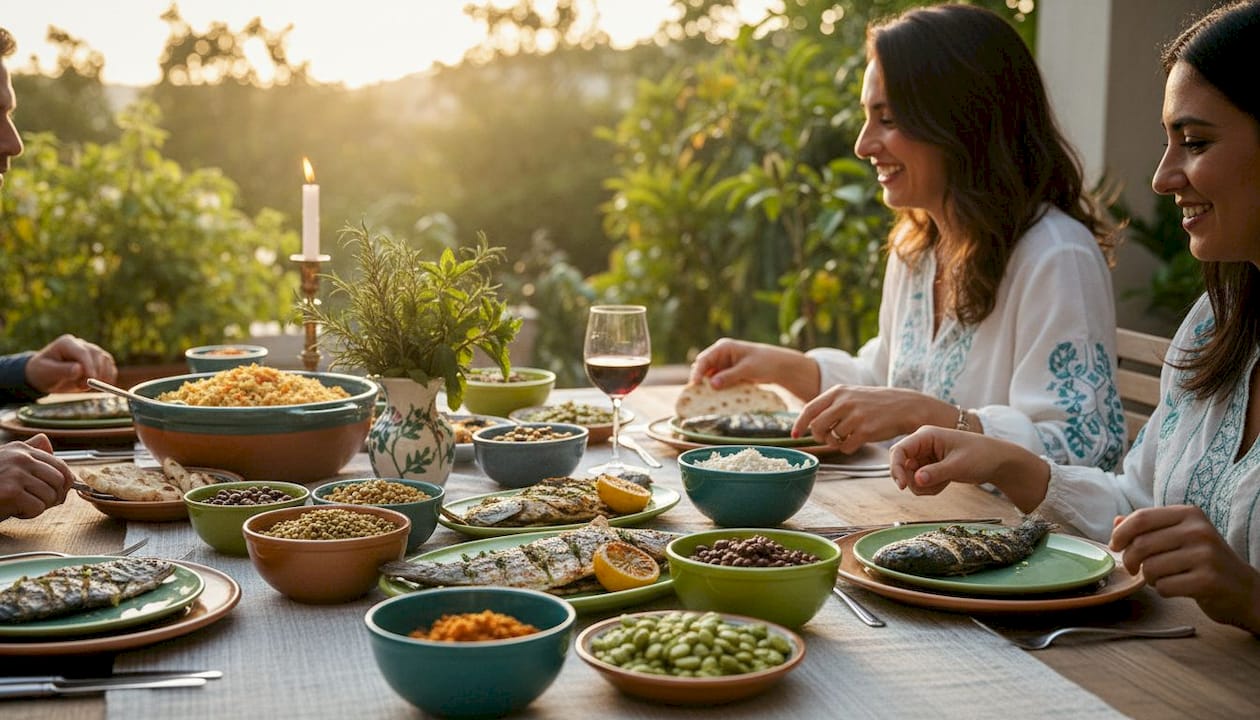
One practical advantage Sephardic families have during Passover celebrations is the permitted use of kitniyot. Sephardic festive meals allow rice, legumes, and corn, which Ashkenazi tradition prohibits on Passover. This opens the menu considerably for families celebrating during that period. Mediterranean flavors anchor the table: saffron rice, cinnamon-spiced lamb, and slow-cooked stews reflect the culinary heritage of North Africa and the Middle East.
The Seudat Hodaya, a meal of thanksgiving, holds particular significance at Sephardic lifecycle events. This communal gathering is not just a party. It is a formal expression of gratitude, often accompanied by blessings, songs, and speeches that connect the child’s milestone to the family’s broader history. Planning the meal with this spiritual dimension in mind changes how the event feels for everyone present.
Practical menu considerations for Sephardic families:
Confirm Bet Yosef meat certification with the caterer.
Build the menu around Mediterranean staples: saffron, cinnamon, fresh herbs, and slow-cooked proteins.
Include traditional sweets like ma’amoul (date-filled cookies) or baklava as part of the dessert spread.
If celebrating near Passover, take advantage of kitniyot-friendly dishes that Ashkenazi guests may not have encountered before.
Pro Tip: Ask your caterer specifically about Bet Yosef certification, not just standard kosher. The difference matters to observant Sephardic guests and signals that you planned with care.
What are key family and cultural traditions in Sephardic Bar and Bat Mitzvahs?
Sephardic naming customs differ sharply from Ashkenazi practice. Sephardic families name children after living relatives, especially grandparents, as a mark of honor and love. Ashkenazi families traditionally name only after those who have passed. This single difference shapes ceremony speeches, dedications, and the emotional texture of the entire event.
That naming connection often becomes the centerpiece of the Bar or Bat Mitzvah speech. A child named after a living grandfather may speak directly to that grandfather during the ceremony. The moment carries weight that generic speeches cannot replicate. Encourage your child to lean into that connection when preparing remarks.
Music and blessings also carry distinct Sephardic character. Traditional piyyutim (liturgical poems) and songs from the Judeo-Spanish, Judeo-Arabic, or Judeo-Persian traditions appear at celebrations depending on the family’s origin. These are not decorative additions. They are the living voice of a community’s history. Families who include even one or two traditional songs give guests an experience they will not find at a generic celebration.
Cultural traditions worth honoring at the celebration:
Living relative dedications: Structure speeches and blessings around the named grandparent or relative.
Community songs: Include at least one piyyut or traditional song from your family’s specific Sephardic heritage.
Ritual objects: Sephardic Torah cases (tik) are cylindrical and stand upright, unlike Ashkenazi cloth mantles. Using a tik at the ceremony is a visible marker of tradition.
Heritage travel: Families who want to deepen the experience can explore Bar Mitzvah heritage travel as a way to connect the milestone to ancestral roots.
How do Sephardic halakhic authorities shape mitzvah observance today?
Sephardic halakha follows a clear chain of authority: Rabbi Yosef Karo’s Shulchan Aruch forms the base, with the Ben Ish Chai and Rabbi Ovadia Yosef providing later rulings that address modern situations. This chain is not abstract history. It determines practical decisions families make every day, from what meat they buy to how long they wait after eating it.
The six-hour waiting period between meat and dairy is one of the clearest examples. Sephardic practice maintains the full six hours as required by the Shulchan Aruch. Some Ashkenazi communities follow shorter waiting periods based on different rabbinic opinions. At a mixed celebration, this difference can create real logistical questions around timing and menu sequencing.
Practice | Sephardic standard | Ashkenazi common practice |
Meat-to-dairy wait | Six hours (Shulchan Aruch) | Three hours or one hour in some communities |
Kitniyot on Passover | Permitted | Prohibited |
Tzitzis display | Tucked inside clothing | Often worn visibly outside |
Naming customs | After living relatives | After deceased relatives |
Torah cantillation | Sephardic tropes | Ashkenazi tropes |
Understanding these differences helps families make informed decisions rather than defaulting to whatever the venue or caterer assumes. A Jewish traditions checklist tailored to Sephardic practice is a practical tool for keeping all these details organized before the event.
Key Takeaways
Sephardic mitzvah customs form a complete and distinct halakhic system rooted in the Shulchan Aruch, shaped by the Ben Ish Chai and Rabbi Ovadia Yosef, and expressed through liturgy, diet, music, and family tradition.
Point | Details |
Halakhic foundation | Sephardic practice follows Rabbi Yosef Karo’s Shulchan Aruch, with rulings from Ben Ish Chai and Rabbi Ovadia Yosef. |
Liturgical preparation | Book a Sephardic-specific Torah tutor at least six months before the ceremony. |
Dietary standards | Confirm Bet Yosef meat certification and plan menus around Mediterranean traditions. |
Family naming customs | Honor living relatives in speeches and dedications, reflecting Sephardic naming practice. |
Cultural identity | Include traditional songs, a tik Torah case, and community-specific blessings to make the event authentic. |
What I have learned from watching families prepare for Sephardic Bar Mitzvahs
The families who struggle most are the ones who treat Sephardic customs as a checklist to complete rather than a story to tell. They hire the first kosher caterer they find without asking about Bet Yosef. They book a Torah tutor who teaches Ashkenazi tropes because he was available. They skip the piyyutim because they seem old-fashioned. Then they wonder why the day felt generic.
The families who get it right start with the question: what does our specific community do? Moroccan Sephardic practice differs from Syrian practice. Iraqi differs from Yemenite. The Shulchan Aruch is the shared foundation, but the cultural expression on top of it is where the real beauty lives. Knowing your family’s specific origin unlocks the music, the food, the blessings, and the stories that make the day feel irreplaceable.
My honest advice to parents: read about the chain of rabbinic authority from Rabbi Yosef Karo through Rabbi Ovadia Yosef before you plan a single detail. Understanding the “why” behind a custom makes it easier to explain to your child, and a child who understands the “why” reads Torah with conviction rather than anxiety. That conviction is what guests remember long after the food is gone.
— Shay
How Bneimitzvahtrip brings Sephardic tradition to life in Israel
Celebrating a Bar or Bat Mitzvah in Israel places the milestone inside the living culture that produced Sephardic tradition. Bneimitzvahtrip has spent over 20 years building tours that honor that connection with real depth, not surface-level tourism.
Bneimitzvahtrip’s planned Bar and Bat Mitzvah tours integrate authentic ceremony experiences, culturally rich meals, and visits to sites central to Sephardic heritage. Families can celebrate a Bar Mitzvah ceremony at locations that carry centuries of Sephardic history. Every detail, from the menu to the music to the ceremony logistics, is planned with the family’s specific traditions in mind. If you want the milestone to feel as meaningful as it should, Israel is where that happens.
FAQ
What is the halakhic foundation of Sephardic mitzvah practice?
Sephardic mitzvah observance follows Rabbi Yosef Karo’s Shulchan Aruch as its primary legal code, with later rulings from the Ben Ish Chai and Rabbi Ovadia Yosef guiding contemporary practice.
How does Sephardic Torah cantillation differ from Ashkenazi?
Sephardic Torah reading uses distinct melodic tropes that differ from Ashkenazi melodies, requiring a tutor who specializes in the specific Sephardic community’s cantillation style.
Can Sephardic families eat kitniyot on Passover?
Yes. Sephardic law permits kitniyot, which includes rice, legumes, and corn, during Passover, giving families significantly more menu flexibility than Ashkenazi tradition allows.
Why do Sephardic families name children after living relatives?
Sephardic naming custom honors living relatives, especially grandparents, as a direct expression of love and respect, contrasting with the Ashkenazi practice of naming after those who have passed.
What is the Seudat Hodaya at a Bar or Bat Mitzvah?
The Seudat Hodaya is a communal thanksgiving meal that marks the lifecycle celebration, combining food, blessings, and song to express gratitude for the child’s milestone within the community.
Recommended
Comments