Why Spiritual Journeys Transform Who You Are

TL;DR:
Spiritual journeys are intentional inward paths that foster deep personal transformation through reflection, connection, and presence. They prioritize inner growth and identity reshaping over sightseeing, emphasizing embodied practices and community engagement for lasting change. Proper intention, ritual, and deliberate post-journey integration are essential for sustained spiritual development and impact.
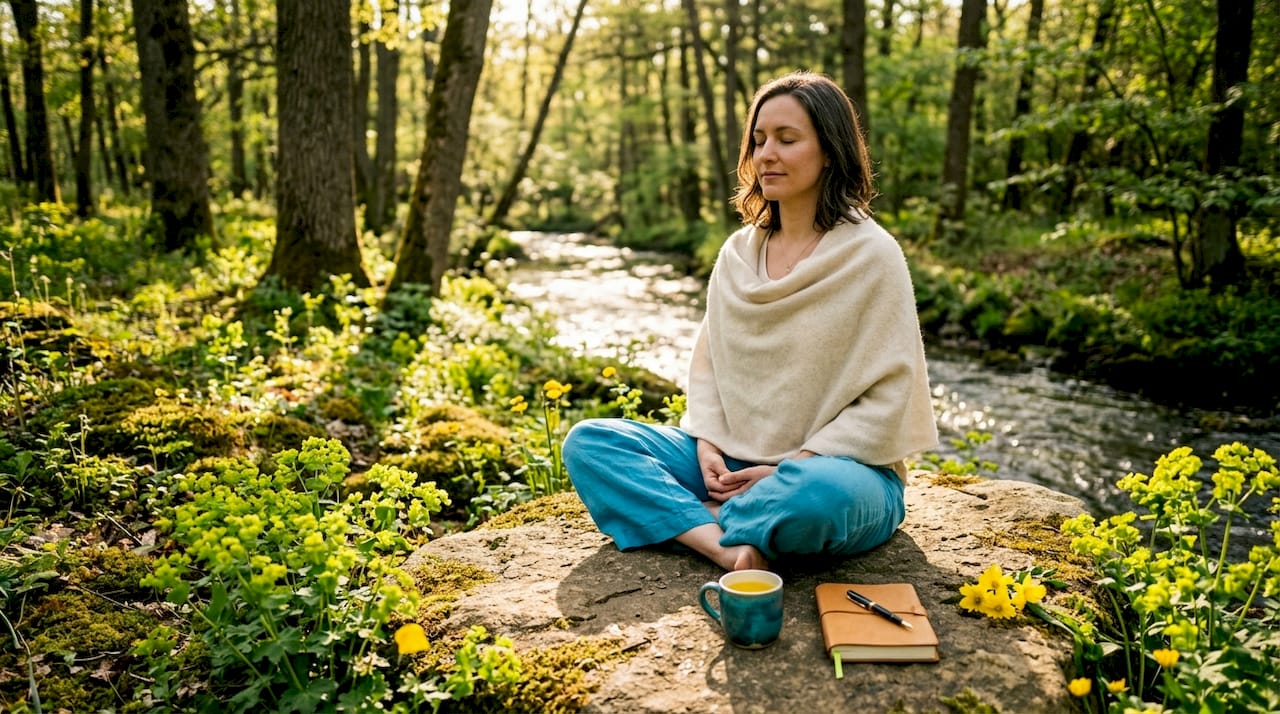
A spiritual journey is an intentional path inward that produces personal transformation through deep reflection, connection, and presence. Unlike a vacation built around sightseeing, this kind of travel, often called pilgrimage or spiritual travel, asks you to change rather than simply observe. Research published in 2026 confirms that spiritual travel emphasizes intention and reflection, creating a way of being that reshapes how you live long after you return home. If you are asking why spiritual journeys matter, the short answer is this: they work on the inside first.
Why spiritual journeys serve a deeper purpose than travel
People pursue spiritual journeys for reasons that go far beyond curiosity about sacred sites. The core purpose of spiritual journeys is identity reshaping. You arrive carrying one version of yourself and leave carrying another, often more grounded, one.
The benefits of spiritual exploration span psychological, emotional, and social dimensions:
Inner growth: Confronting unfamiliar environments strips away habitual thinking, forcing genuine self-reflection.
Mental health gains: Higher spirituality levels correlate with lower rates of depression, anxiety, and suicidal ideation. This is not a minor effect. It suggests that meaning and connection, the two core outputs of a spiritual path, are protective forces.
Reduced substance use: Spiritual and religious participation is associated with a 13% to 18% reduction in hazardous substance use across populations. The protective effect is strongest when practiced in community, not in isolation.
Experiences of surrender and gratitude: Many travelers report that the moment they stop trying to control the experience is the moment the transformation begins.
Communal healing: Shared ritual and group reflection amplify individual gains, turning a personal quest into a collective one.
Pro Tip: Before you leave, write down one specific question you want your journey to answer. Travelers who set a clear intention report deeper reflection and more lasting change than those who travel without one.
The importance of spiritual growth is not abstract. It shows up in measurable shifts in behavior, relationships, and resilience.
How spiritual journeys differ from ordinary tourism
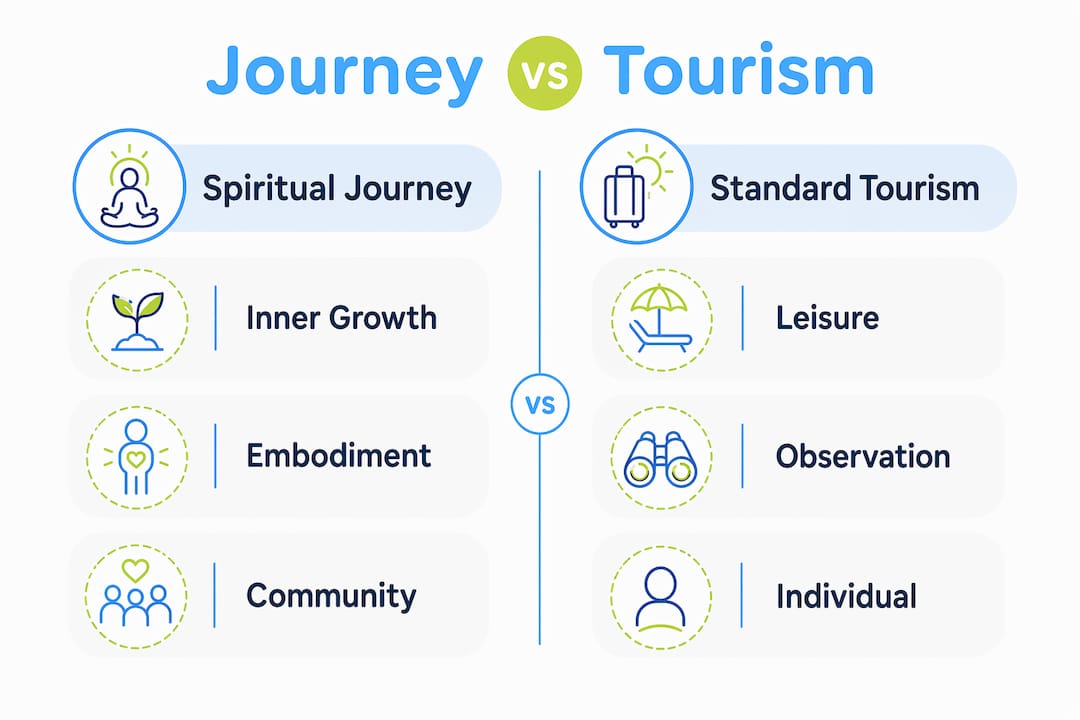
The clearest way to understand why you would choose a spiritual journey over a standard vacation is to compare what each one actually demands of you.
Dimension | Spiritual journey | Standard tourism |
Primary goal | Inner transformation | Leisure and consumption |
Pace | Slow, reflective | Fast, activity-driven |
Engagement | Ritual, prayer, community | Sightseeing, photography |
Outcome | Identity shift | Memories and relaxation |
Measure of success | Depth of presence | Number of places visited |
Standard tourism treats the world as a backdrop. A spiritual journey treats it as a teacher. Routes like the Camino de Santiago in Spain or the pilgrimage to Jerusalem’s Old City are not simply scenic walks. They are structured encounters with vulnerability, history, and community that reorder identity by temporarily disengaging you from your normal social roles.
The embodied dimension is what separates spiritual travel most sharply from tourism. Walking for hours, fasting, praying at dawn, or sitting in silence at a sacred site engages the body, mind, and imagination simultaneously. Cognitive insight often follows physical experience, not the other way around. You feel the shift before you can name it.
Pro Tip: Resist the urge to photograph everything. One hour of full sensory presence at a meaningful site produces more lasting insight than a full day of documentation.
What does research say about spiritual growth during pilgrimage?
The science behind why you should embark on a spiritual path has grown significantly. A 2026 study identified six interconnected factors that shape spiritual growth during pilgrimage: yearning for change, vulnerability, self-connection, transcendence, external perception, and belonging. These factors do not operate in sequence. They interact, feeding each other until the traveler reaches what researchers describe as a flow state, a condition of expanded awareness and reduced self-consciousness.
Social participation amplifies every one of these factors. Pilgrims who travel with others, share meals, and engage in communal ritual report stronger transformation than solo travelers. This finding aligns with a separate Journal of Religion and Health study showing that spiritual behaviors like prayer and meditation correlate more strongly with lower depression and anxiety than simply identifying as spiritual. Practice matters more than label.
The research also highlights a three-stage identity transformation model used in spiritual tourism studies: crisis, transformation-seeking, and integration. Most people focus on the middle stage, the dramatic journey itself. The integration phase is what makes growth sustainable. Without it, the insight fades within weeks of returning home.
A 2026 meta-analysis on Buddhist-based interventions adds a nuance worth noting. Buddhist practices emphasizing non-attachment improve well-being most effectively when taught within their original spiritual framework. Stripping practices from their context reduces their power. This applies broadly: the meaning surrounding a ritual matters as much as the ritual itself.
How to make the most of a spiritual journey
Knowing what to learn from spiritual journeys is only useful if you build practices that let those lessons take root. Here is a practical sequence that works before, during, and after the journey.
Set a clear intention. Identify what you are seeking: healing, clarity, connection, or renewal. Write it down. Vague intentions produce vague results.
Engage with community. Join a group, hire a guide with deep local knowledge, or travel with family. The social dimension of spiritual travel is not optional. It is one of the six factors that research identifies as central to growth.
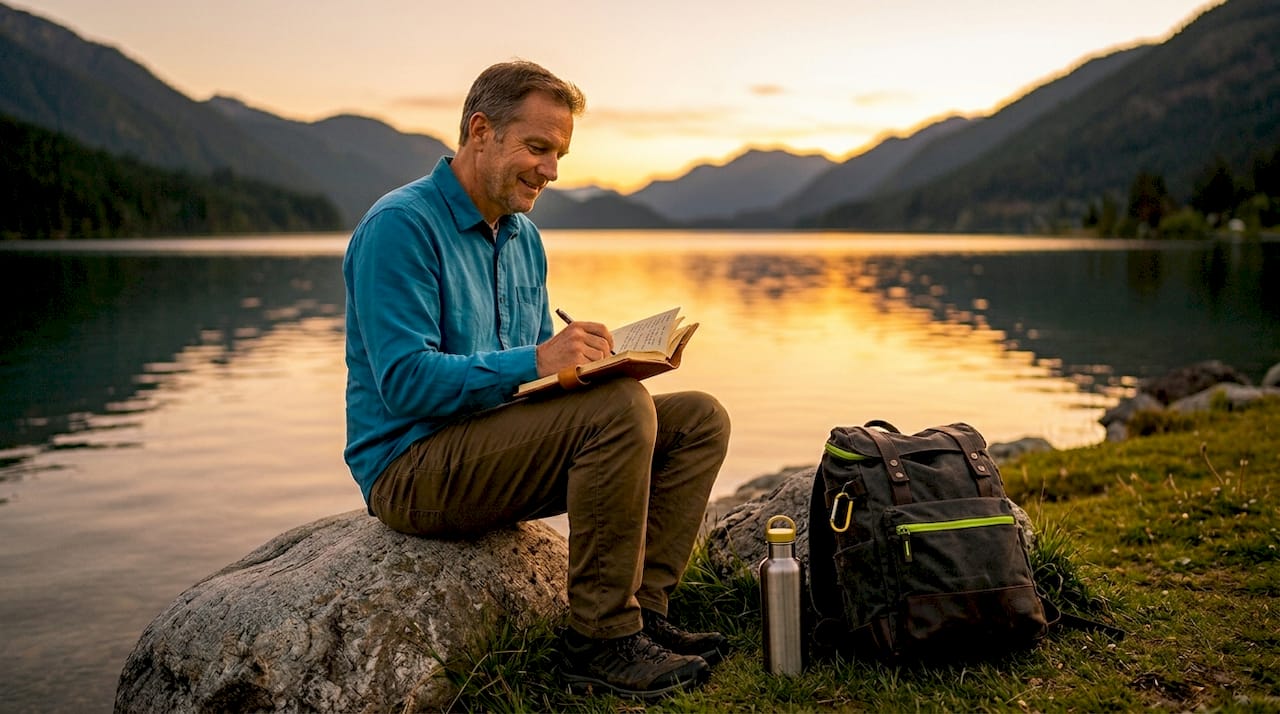
Practice before you arrive. Meditation, journaling, or prayer practiced in the weeks before departure primes your nervous system for depth. You will not suddenly become reflective on day one if you have not practiced reflection at home.
Embrace the slow moments. The most transformative experiences on spiritual journeys rarely happen at the main attraction. They happen in the quiet hour before the group gathers, or during an unplanned conversation with a local.
Integrate deliberately. Within two weeks of returning, write about what shifted. Share it with someone you trust. Connect the experience to one concrete change in your daily routine. This is what turns a peak experience into a permanent one.
Families traveling together for milestone events, like a Bar or Bat Mitzvah in Israel, have a structural advantage here. The shared ritual, the intergenerational story, and the sacred location all activate the six growth factors simultaneously. You can read more about how travel deepens Jewish roots for families navigating this kind of milestone.
Key takeaways
Spiritual journeys produce lasting transformation because they combine intention, embodied practice, community, and integration into a single experience that ordinary travel cannot replicate.
Point | Details |
Intention drives depth | Setting a clear purpose before departure produces measurably deeper reflection and change. |
Community amplifies growth | Social participation strengthens every stage of spiritual development identified in pilgrimage research. |
Behavior beats identity | Practicing prayer, meditation, or ritual produces stronger mental health benefits than simply identifying as spiritual. |
Integration is non-negotiable | The post-journey phase determines whether transformation lasts weeks or years. |
Embodiment precedes insight | Physical and sensory engagement, like walking sacred routes, opens transformation before cognitive understanding follows. |
What twenty years of watching families transform has taught me
I have spent two decades guiding families through milestone travel, and the pattern I see most consistently surprises people when I describe it. The moment that changes someone is almost never the one they planned for. It is not standing at the Western Wall at noon with a crowd. It is the quiet walk there at 6 a.m., before anyone else arrives, when a parent and child have nothing to do but be present with each other and with something larger than themselves.
What I have also learned is that the families who struggle to feel the depth of a spiritual journey are almost always the ones who treated it like a tour. They checked the sites, took the photos, and flew home. The families who are still talking about the trip five years later are the ones who slowed down, asked real questions, and let the place ask something back.
The research on Israel spiritual tourism confirms what I have observed firsthand: belonging and vulnerability are not soft concepts. They are the actual mechanisms of change. If you are considering a spiritual journey for your family, my honest advice is to resist the instinct to fill every hour. The empty spaces are where the transformation lives.
— Shay
Plan a spiritual journey your family will carry for life
Bneimitzvahtrip designs Bar and Bat Mitzvah tours to Israel that are built around the principles this article describes: clear intention, communal ritual, sacred locations, and deliberate integration. Every itinerary combines visits to historically and spiritually significant sites with storytelling, reflection, and shared experiences that activate genuine growth, not just great photos.

With over 20 years of expertise in experiential travel and event planning, Bneimitzvahtrip guides families through one of the most meaningful milestones in Jewish life. Explore our Bar and Bat Mitzvah tours and see how a well-designed spiritual journey can become the experience your family references for the rest of their lives.
FAQ
Why do people go on spiritual journeys?
People pursue spiritual journeys to achieve inner transformation, find meaning, and strengthen connection to themselves, others, or a higher power. Research links spiritual travel to measurable reductions in depression, anxiety, and substance use.
What is the difference between a pilgrimage and spiritual tourism?
A pilgrimage is a specific form of spiritual travel tied to religious tradition and sacred sites, while spiritual tourism is a broader category that includes any intentional travel focused on personal growth and reflection. Both share the goal of transformation over leisure.
How long does the benefit of a spiritual journey last?
Benefits last longest when travelers complete the integration phase after returning home. Studies on spiritual tourism identity transformation show that without deliberate post-journey reflection and behavior change, peak experiences fade within weeks.
Can a family trip count as a spiritual journey?
A family trip becomes a spiritual journey when it includes shared intention, meaningful ritual, and reflective engagement with a sacred place or story. Milestone travel like a Bar or Bat Mitzvah in Israel naturally activates the communal and embodied factors that research identifies as central to lasting growth.
What practices make a spiritual journey more effective?
Prayer, meditation, journaling, and communal ritual practiced before, during, and after the journey produce the strongest outcomes. Behavioral practice correlates more strongly with mental health benefits than spiritual identity alone.
Recommended
Comments